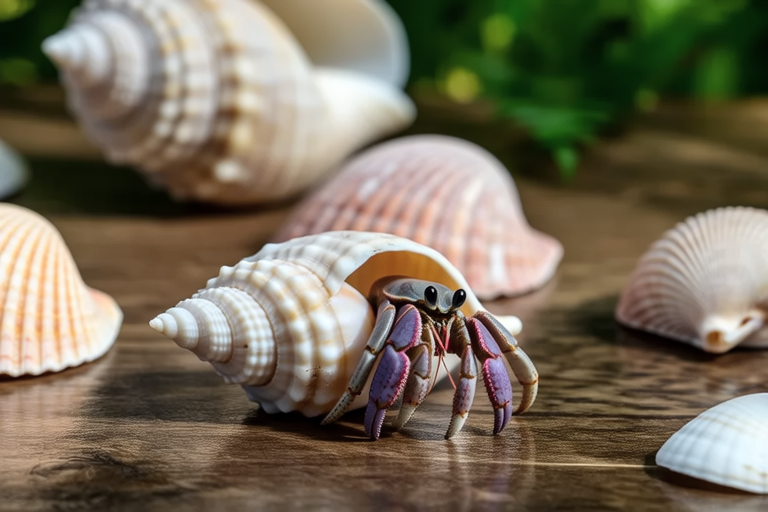
How to Choose the Best Shells for Your Growing Hermit Crab Collection
Welcome to the fascinating world of hermit crabs! These delightful creatures require constant care and attention, especially when it comes to choosing the right shells for them. As your collection grows, so does your responsibility to provide them with suitable living conditions. This guide will walk you through understanding hermit crab shell preferences, factors influencing shell selection, tips for providing a variety of shells, safety considerations when sourcing shells, and how to observe and assist in their shell switching process.
Understanding Hermit Crab Shell Preferences
Hermit crabs are known for their unique habit of living inside discarded shells from other sea creatures. These shells act as protective homes, offering shelter and security. To ensure your hermit crabs thrive, it’s essential to understand what they look for in a new home.
- Size: The shell must be large enough for the crab to fit comfortably but not too spacious that it compromises its ability to move around inside.
- Shape: Crabs prefer shells that match their body shape, allowing them to move freely without any discomfort.
- Hole Size: A well-fitting hole is crucial; it should be wide enough for the crab to enter and exit easily but small enough to prevent predators from entering.
- Weight: Lightweight shells are preferred as they make it easier for the crab to carry around.
- Condition: Shells should be free from cracks, sharp edges, or any signs of deterioration.
Factors Influencing Shell Selection
Several factors influence a hermit crab’s decision when choosing a new shell. Understanding these can help you better cater to their needs:
- Species: Different species have varying shell preferences based on their natural habitat.
- Age: Younger crabs tend to outgrow their shells more frequently than older ones.
- Health: Healthy crabs are more likely to find and select suitable shells compared to those that are sick or stressed.
- Environmental Conditions: Temperature, humidity, and substrate type all play roles in determining which shells are most appealing.
Tips for Providing a Variety of Shells
Offering a diverse range of shells is key to ensuring your hermit crabs remain happy and healthy. Here are some tips:
- Include Different Sizes: Provide shells in various sizes to accommodate growing crabs and allow for natural competition.
- Mix Shell Types: Introduce different types of shells such as gastropod, cowrie, and olive shells to mimic their natural environment.
- Rotate Shells Regularly: Periodically replace old shells with new ones to maintain interest and encourage exploration.
- Encourage Exploration: Place shells at different levels within the enclosure to stimulate curiosity and promote natural behavior.
Safety Considerations When Sourcing Shells
When collecting shells for your hermit crabs, safety should always be a priority. Follow these guidelines:
- Avoid Chemicals: Ensure the shells are free from harmful substances like paint, glue, or pesticides.
- Inspect for Pests: Check for any signs of infestation before introducing the shells into your crab’s habitat.
- Clean Thoroughly: Wash and sterilize the shells using boiling water or a safe disinfectant to eliminate bacteria and parasites.
- Check for Sharp Edges: Smooth out any rough or sharp areas to prevent injury.
Observing and Assisting in Their Shell Switching Process
Watching your hermit crabs switch shells can be both exciting and educational. Here’s how you can facilitate this process:
- Monitor Regularly: Keep an eye on your crabs during their active periods to catch any shell-switching attempts.
- Provide Privacy: Ensure there are plenty of hiding spots and coverings to reduce stress during the transition.
- Be Patient: Allow the crabs time to explore and choose their new homes without interference.
- Assist if Necessary: If a crab seems stuck or distressed, gently guide it into a suitable shell using tweezers or tongs.
Creating Suitable Environments for Hermit Crab Health and Happiness
The overall environment plays a significant role in your hermit crabs’ well-being. Here are some essential elements to consider:
- Humidity: Maintain humidity levels between 70% and 80% using a hygrometer and misting system.
- Temperature: Keep temperatures steady between 75°F and 85°F (24°C and 29°C) using a thermometer and heat lamp.
- Substrate: Use a deep layer of coconut fiber or sand to allow for burrowing and molting.
- Lighting: Provide 12 hours of daylight and 12 hours of darkness using full-spectrum UVB lighting.
- Water Sources: Include fresh and saltwater dishes for drinking and soaking.
In conclusion, selecting the best shells for your growing hermit crab collection involves understanding their preferences, considering influencing factors, providing a variety of options, adhering to safety measures, and observing their shell-switching behaviors. By creating a suitable environment, you ensure the health and happiness of your beloved pets. With proper care and attention, your hermit crabs will lead fulfilling lives in their new homes.
