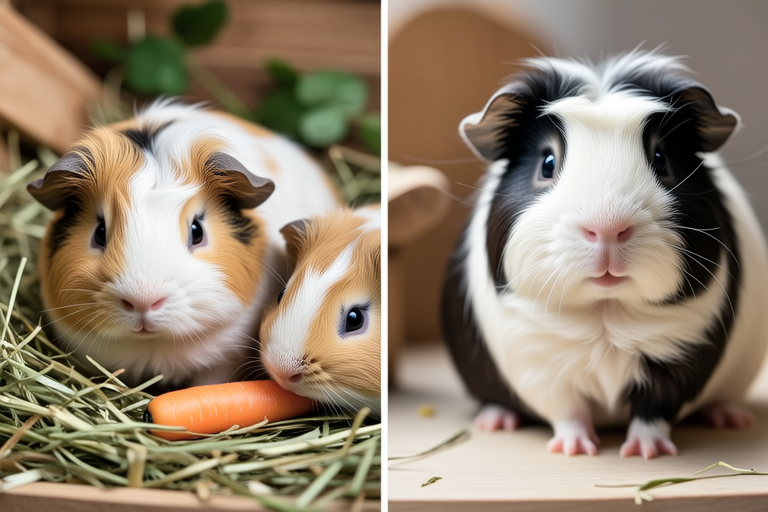
From Tiny Tots to Teenagers: Charting the Growth of Your Guinea Pig
Welcome to the wonderful world of guinea pigs! These adorable creatures have captured the hearts of many pet lovers with their gentle nature and unique personalities. As a responsible guinea pig owner, it’s essential to understand the various stages of your pet’s growth, from birth to adulthood. This guide will walk you through the physical changes, dietary needs, behavioral shifts, and care tips appropriate for each stage of your guinea pig’s life. We’ll also provide advice on how to ensure your guinea pig remains healthy and happy throughout its lifespan.
The First Few Weeks: Newborn Guinea Pigs
Newborn guinea pigs are tiny, fragile, and utterly dependent on their mothers. They are born fully furred and with their eyes open, which makes them one of the few rodents that can see immediately after birth. At this stage, they rely entirely on their mother for warmth, food, and protection. If you find yourself caring for a newborn without its mother, consult a veterinarian immediately, as these little ones need specialized care.
Physical Changes: Newborns weigh around 90-120 grams and measure approximately 8-10 centimeters in length. Their bodies are covered in soft fur, and their ears are small but functional. Within the first few days, their eyes will be open, and they will start exploring their surroundings.
Dietary Needs: For the first three weeks, newborn guinea pigs should only consume their mother’s milk. It is rich in nutrients and antibodies that help them grow strong and healthy. After three weeks, you can introduce solid foods like fresh hay and vegetables under supervision.
Care Tips: Keep the nesting area clean and warm, providing soft bedding and a safe environment for the babies. Ensure that the mother has access to plenty of fresh water and a balanced diet to support lactation.
The Juvenile Stage: From One to Six Months
As guinea pigs grow into juveniles, they become more independent and curious about their surroundings. This period marks significant physical and behavioral changes, making it crucial to adjust their care accordingly.
Physical Changes: By the time they reach one month old, guinea pigs will have doubled in size. Their teeth continue to grow, and they develop stronger muscles. At around four months, their adult teeth will have come in, and their coats will be thicker and more vibrant.
Dietary Needs: Juveniles can now eat a variety of fresh hay, grasses, and vegetables. Introduce pellets specifically designed for guinea pigs, ensuring they receive adequate vitamins and minerals. Avoid feeding them too much fruit, as it contains high levels of sugar.
Behavioral Shifts: Juveniles are more active and playful, often seen running around, climbing, and exploring. They may also start socializing with other guinea pigs or humans, showing affection through nuzzling and purring.
Care Tips: Provide ample space for exercise and exploration. Juveniles need at least four hours of playtime outside their cage daily. Monitor their interactions with other pets or children to prevent any mishaps.
The Adolescent Stage: Six to Twelve Months
The adolescent stage is when guinea pigs truly begin to resemble their adult counterparts. They are energetic, curious, and developing distinct personalities. This phase requires careful attention to ensure they maintain good health.
Physical Changes: Adolescent guinea pigs will reach their full size by the end of this stage, typically weighing between 700-1200 grams. Their coats will be fully developed, and their bodies will be robust.
Dietary Needs: Continue providing a balanced diet of hay, pellets, and fresh vegetables. Ensure they always have access to fresh water. Vitamins C and D are particularly important during this stage, as guinea pigs cannot synthesize vitamin C naturally.
Behavioral Shifts: Adolescents may exhibit more assertive behavior, especially when interacting with other guinea pigs. They may become territorial or dominant over food and space. Socialization with humans remains crucial to establish trust and comfort.
Care Tips: Regular grooming helps keep their coats healthy and prevents hairballs. Trim their nails if necessary, and check their teeth regularly for signs of overgrowth. Encourage supervised outdoor play to stimulate their minds and bodies.
The Adult Stage: Twelve Months and Beyond
Once guinea pigs reach adulthood, they settle into a more sedentary lifestyle. They require less physical activity but still need mental stimulation and companionship.
Physical Changes: Adult guinea pigs have reached their maximum size and weight. Their coats may start to thin slightly, and they may show signs of aging, such as graying fur around the muzzle.
Dietary Needs: Maintain a consistent diet of hay, pellets, and fresh vegetables. Continue supplementing their diet with vitamin C-rich foods like bell peppers, oranges, and broccoli. Limit high-sugar fruits and avoid feeding them processed human foods.
Behavioral Shifts: Adults tend to be calmer and more relaxed, enjoying quieter environments. They may spend more time lounging than playing. However, they still enjoy company and interaction with their owners.
Care Tips: Regular health check-ups with a veterinarian are vital to monitor their overall health. Keep their living environment clean and comfortable, providing soft bedding and hiding spots. Ensure they have enough space to move around freely.
Maintaining a Healthy Guinea Pig
To ensure your guinea pig remains healthy and happy throughout its life, follow these general care tips:
- Provide a Balanced Diet: Offer a variety of fresh hay, pellets, and vegetables. Avoid overfeeding treats and sugary snacks.
- Ensure Clean Water: Fresh, clean water is essential for hydration and overall health. Change it daily and clean the water bottle regularly.
- Keep Them Active: Encourage regular exercise and playtime to promote physical and mental well-being.
- Groom Regularly: Brush their coat weekly to remove loose hairs and prevent hairballs. Check their skin for any signs of irritation or parasites.
- Monitor Health: Watch for any unusual behavior, such as lethargy, loss of appetite, or difficulty breathing. Consult a veterinarian promptly if you notice any concerning symptoms.
Conclusion
Raising a guinea pig from infancy to adulthood is a rewarding experience filled with love, laughter, and learning. By understanding the different stages of their growth and adjusting your care accordingly, you can ensure your guinea pig enjoys a long, healthy, and happy life. Remember, every guinea pig is unique, so pay close attention to their individual needs and preferences. With proper care and attention, your furry friend will bring joy and companionship to your home for years to come.
