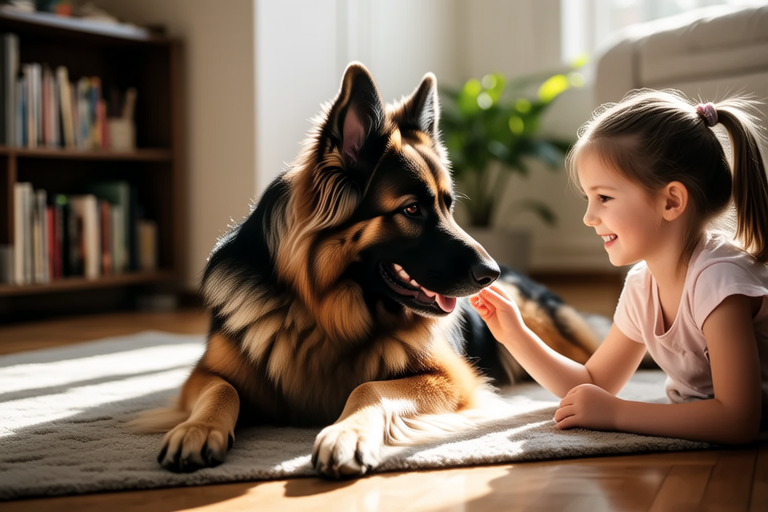
German Shepherds: Debunking Myths and Understanding Realities
German Shepherds have long been a favorite among dog enthusiasts for their striking appearance, intelligence, and loyalty. However, they come with a reputation that can be both intriguing and intimidating. This article aims to explore common misconceptions surrounding German Shepherds as family pets, delving into their intelligence, loyalty, and protective nature. We’ll also analyze their exercise needs, grooming requirements, and potential health issues. Additionally, we’ll compare their compatibility with children of different ages, discuss training challenges and successes, and provide real-life examples or case studies where applicable. Finally, we’ll conclude with recommendations for families considering a German Shepherd as a pet.
Intelligence, Loyalty, and Protective Nature
One of the most common misconceptions about German Shepherds is that they are overly aggressive. While it’s true that they can be protective, this doesn’t mean they are inherently aggressive. Their protective nature stems from their loyalty to their family and their natural instincts to guard their territory. When properly trained and socialized, German Shepherds can be gentle, loving companions.
Their intelligence is another aspect often misunderstood. German Shepherds are highly intelligent dogs, ranking among the top breeds in terms of trainability. This intelligence makes them excellent working dogs, often seen in roles such as police dogs, search and rescue, and service animals. However, their intelligence also means they need mental stimulation to prevent boredom, which can lead to destructive behavior if not provided.
Exercise Needs and Grooming Requirements
German Shepherds are an active breed, requiring regular exercise to maintain their physical and mental well-being. They thrive on activities that challenge their bodies and minds, such as agility courses, obedience training, and long walks. Without sufficient exercise, German Shepherds may become restless and exhibit behavioral problems. A daily walk of at least 30 minutes is recommended, but more active families might find that twice-daily walks or runs suit their energetic companions better.
Grooming is another important aspect of owning a German Shepherd. Their double coat requires regular brushing to prevent matting and reduce shedding. Weekly brushing is usually sufficient, but during shedding season, daily brushing may be necessary. Bathing should be done every few months or as needed, depending on the dog’s activity level and environment. Regular nail trimming and ear cleaning are also essential to keep your German Shepherd healthy and comfortable.
Potential Health Issues
Despite their robust appearance, German Shepherds are prone to certain health issues. Hip dysplasia is one of the most common conditions, affecting many large breeds. This condition occurs when the hip joint doesn’t fit properly, leading to pain and lameness. Early diagnosis and treatment can help manage the symptoms, but prevention through proper breeding practices and maintaining a healthy weight is crucial.
Epilepsy is another concern for German Shepherd owners. Epileptic seizures can range from mild to severe and may occur at any age. If you notice your dog experiencing seizures, it’s important to consult a veterinarian immediately. Treatment options vary depending on the severity and frequency of the seizures, but early intervention can improve your dog’s quality of life.
Compatibility with Children
German Shepherds can be wonderful companions for children, but their compatibility depends on the child’s age and maturity level. Younger children may benefit from the gentle, patient nature of older German Shepherds who have experience with kids. These dogs tend to be more tolerant of rough play and can serve as calming influences for younger children.
On the other hand, adolescent German Shepherds may be too energetic for very young children, potentially leading to accidents or injuries. It’s crucial to supervise interactions between children and dogs, regardless of the dog’s age or breed. Teaching children how to interact safely with dogs is equally important.
Training Challenges and Successes
Training a German Shepherd can be both challenging and rewarding. Their intelligence and eagerness to please make them quick learners, but their strong will can sometimes pose difficulties. Positive reinforcement techniques, such as treats and praise, are highly effective in shaping desired behaviors. Consistency is key; setting clear expectations and following through with rewards or corrections helps reinforce good habits.
Real-life example: Sarah adopted a six-month-old German Shepherd named Max. Initially, Max was hyperactive and difficult to control, but with patience and consistent training, he became a well-behaved family member. Sarah used clicker training to teach Max basic commands like ‘sit,’ ‘stay,’ and ‘come.’ She rewarded him with small treats and verbal praise whenever he followed instructions correctly. Over time, Max learned to respond to commands even in distracting environments, making walks and visits to the park much more enjoyable for the whole family.
Recommendations for Families Considering a German Shepherd
If you’re considering adding a German Shepherd to your family, there are several factors to consider. First, ensure you’re prepared for the commitment of owning a high-energy, intelligent dog. Regular exercise, mental stimulation, and proper training are essential for a happy, well-adjusted German Shepherd.
Second, research reputable breeders who prioritize health and temperament in their breeding programs. Avoid puppy mills or backyard breeders, as these sources often produce dogs with genetic defects and behavioral issues.
Third, prepare yourself for the grooming requirements of a German Shepherd. Regular brushing, bathing, and nail trimming are necessary to keep your dog looking and feeling its best.
Finally, consider the compatibility of a German Shepherd with your existing family members, especially children. While German Shepherds can be great companions for kids, it’s important to match the right dog with the right household.
In conclusion, German Shepherds are intelligent, loyal, and protective dogs that can make excellent family pets when properly cared for and trained. By understanding their needs and addressing common misconceptions, you can enjoy a rewarding relationship with your German Shepherd. With the right approach, these majestic dogs can bring joy and companionship to your home for many years to come.
