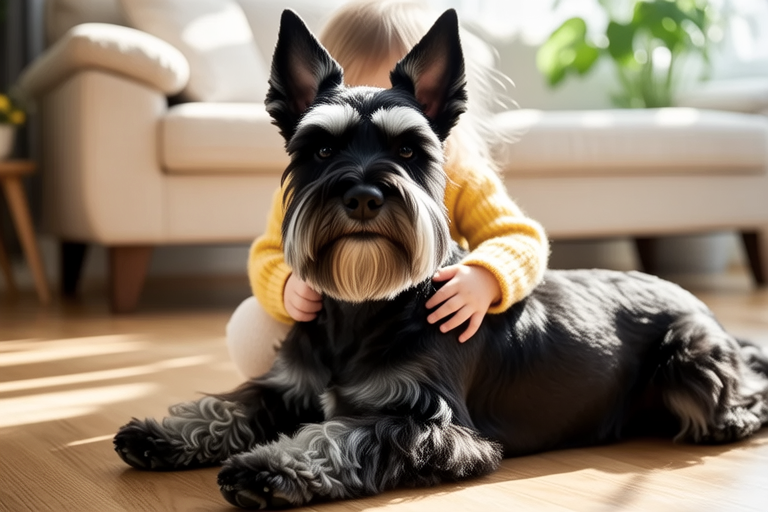
How Schnauzers Became the Ultimate Family Pet
The Schnauzer, a breed of dog known for its distinctive facial hair and robust build, has long been cherished by families around the world. Originating from Germany, these dogs have a rich history that spans centuries, evolving from their initial roles as working dogs to becoming beloved companions. This article explores the fascinating journey of the Schnauzer, detailing their unique physical traits, temperament, and suitability as family pets. We’ll also look at their intelligence, trainability, adaptability, and provide anecdotes showcasing their protective nature and companionship. Finally, we’ll offer some practical advice for those considering bringing a Schnauzer into their home.
The History and Origin of Schnauzers
The origins of the Schnauzer can be traced back to the 15th century in Germany. Initially bred as farm dogs, they were tasked with guarding property, hunting vermin, and herding livestock. The name ‘Schnauzer’ comes from the German word for ‘snout,’ referring to their prominent beards and eyebrows. Over time, three distinct varieties emerged: the Miniature Schnauzer, Standard Schnauzer, and Giant Schnauzer. Each type was developed to serve specific purposes, but all share common ancestry and characteristics.
The Miniature Schnauzer, the smallest of the three, was primarily used for catching rats and other small pests. The Standard Schnauzer, slightly larger, excelled in tasks requiring more strength, such as driving cattle and guarding estates. Lastly, the Giant Schnauzer was bred specifically for working alongside butchers and breweries, providing protection against thieves and wild animals. Despite their varied roles, all Schnauzers maintained their loyalty, intelligence, and versatility.
Physical Characteristics
Schnauzers possess several distinguishing physical features that contribute to their appeal as family pets. They have a double coat consisting of a soft undercoat and wiry outer coat, which requires regular grooming. Their most notable characteristic is undoubtedly their beard and eyebrows, giving them a unique appearance that sets them apart from other breeds. Additionally, Schnauzers come in various colors, including black, salt-and-pepper, and white.
These dogs are generally medium-sized, with males typically weighing between 14-20 kilograms (31-44 pounds) and females slightly less. Their sturdy build and strong legs make them agile and energetic, perfect for active families. Despite their muscular frame, Schnauzers are surprisingly gentle and affectionate, making them excellent companions for children and elderly individuals alike.
Temperament and Personality
One of the reasons why Schnauzers are considered ideal family pets is their friendly and sociable temperament. They are known for being loyal, protective, and devoted to their owners. Schnauzers form strong bonds with their human families and thrive on attention and interaction. Their intelligence allows them to quickly learn commands and tricks, further enhancing their ability to connect with their owners.
Moreover, Schnauzers are highly adaptable and can easily adjust to new environments and situations. Whether living in an apartment or a spacious home, they remain calm and composed, rarely displaying signs of anxiety or stress. This flexibility makes them suitable for various living conditions, from bustling city apartments to quiet suburban homes.
Intelligence and Trainability
Schnauzers are among the most intelligent dog breeds, ranking high in obedience and problem-solving skills. Their quick minds enable them to grasp commands and training techniques rapidly, making them easy to train for basic obedience, agility courses, and even advanced tricks. However, their intelligence also means they require mental stimulation to prevent boredom and destructive behavior.
To keep Schnauzers engaged and happy, it’s essential to provide them with regular exercise, interactive toys, and challenging activities. Puzzle feeders, scent games, and obedience training sessions are great ways to stimulate their minds while reinforcing positive behaviors. Consistent and patient training methods yield the best results, fostering a strong bond between owner and dog.
Adaptability to Different Living Environments
As previously mentioned, Schnauzers are remarkably adaptable to different living environments. Their compact size and low shedding make them suitable for apartment living, while their energy levels and need for outdoor activity ensure they excel in homes with yards. Regardless of the setting, Schnauzers maintain their calm demeanor and ability to coexist peacefully with other pets and family members.
For example, many families with Schnauzers have reported that their dogs seamlessly integrate into households with cats or other small animals. One family shared how their Miniature Schnauzer became fast friends with their cat, playing together and sharing sleeping spots. Another family noted that their Standard Schnauzer helped protect their young children from neighborhood bullies, standing guard outside their home.
Protective Nature and Companionship
One of the most endearing qualities of Schnauzers is their protective nature. They are natural guardians, always alert and ready to defend their families. Many owners have recounted instances where their Schnauzers barked loudly to deter intruders or alerted them to potential dangers. This vigilance extends beyond strangers; Schnauzers are equally protective of their family members, ensuring everyone feels safe and secure.
In addition to their protective instincts, Schnauzers are incredibly affectionate and loving companions. They enjoy spending quality time with their owners, whether it’s lounging on the couch, going for walks, or simply cuddling. Their playful yet gentle demeanor makes them perfect playmates for children, teaching them responsibility and empathy through interactions. Schnauzers also excel at comforting their owners during times of distress, offering unwavering support and companionship.
Tips for Potential Owners
If you’re considering adopting a Schnauzer, there are several important factors to keep in mind. First and foremost, Schnauzers require regular grooming to maintain their distinctive appearance. Professional grooming every few months is recommended, along with daily brushing at home. Additionally, their nails should be trimmed regularly, and their teeth should be brushed weekly to prevent dental issues.
Exercise is another crucial aspect of caring for a Schnauzer. While they may seem laid-back, these dogs still need plenty of physical activity to stay healthy and happy. Daily walks, playtime in the yard, and opportunities for socialization are essential for their wellbeing. Providing mental stimulation through puzzles and training sessions will help keep them engaged and prevent boredom-related behavioral problems.
Lastly, early socialization and consistent training are vital for raising a well-behaved Schnauzer. Exposing your puppy to various people, places, and experiences from an early age helps them develop confidence and good manners. Positive reinforcement techniques, such as treats and praise, work best when teaching commands and correcting unwanted behaviors.
By following these tips and dedicating yourself to your Schnauzer’s care, you’ll be rewarded with a loyal, loving companion who brings joy and protection to your family. With proper attention and effort, you can ensure your Schnauzer thrives in your household, becoming the ultimate family pet.
