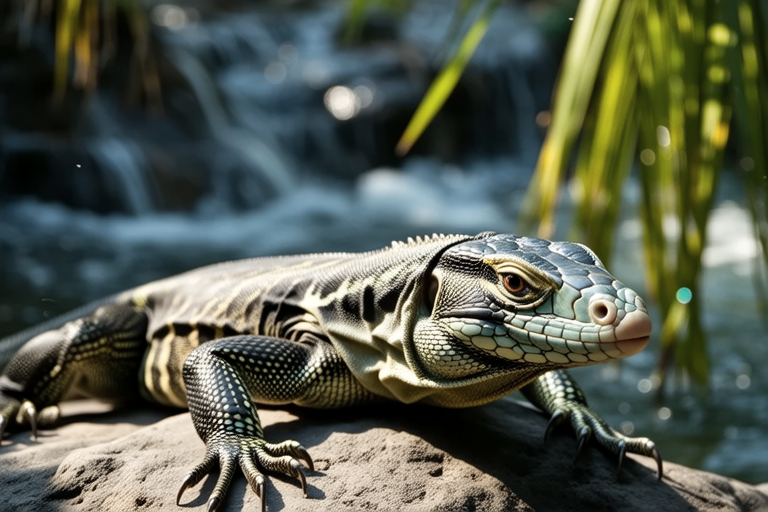
Pet Enthusiasts Beware: The Astonishing Facts Behind the Water Monitor’s Reputation
The water monitor (Varanus salvator) is a species of large lizard native to parts of South and Southeast Asia. Known for its impressive size and unique characteristics, the water monitor has long fascinated reptile enthusiasts. However, this fascination often overlooks the significant challenges and responsibilities that come with owning one. This article aims to provide an in-depth look at the water monitor, dispelling common misconceptions and highlighting the astonishing facts behind its reputation.
The Water Monitor: A Giant Among Lizards
Water monitors can grow to lengths exceeding six feet and weigh up to 50 pounds. Their native habitats span across diverse environments, from dense rainforests and mangrove swamps to freshwater rivers and lakes. These lizards are highly adaptable, thriving in both terrestrial and aquatic settings. Their ability to swim efficiently and their strong claws make them adept at navigating various terrains.
Misconceptions About Water Monitors as Pets
One of the most common misconceptions is that water monitors can be kept as pets for extended periods. Many underestimate the space, resources, and expertise required to care for such a large and active reptile. Another misconception is that they are docile and easy to handle, which is far from the truth. Water monitors are intelligent and curious, but they are also strong and can be aggressive if provoked or mishandled.
Astonishing Facts About Water Monitors
Behavior and Intelligence
Water monitors are among the most intelligent reptiles. They exhibit complex behaviors, such as using tools, recognizing individual humans, and even showing signs of problem-solving abilities. Their cognitive skills contribute to their adaptability in the wild and make them intriguing subjects for scientific study.
Diet and Feeding Habits
Their diet consists of a wide range of prey, including insects, small mammals, birds, fish, and even carrion. In captivity, they require a varied diet to ensure proper nutrition. This can be challenging for owners who may not have access to appropriate food sources or the knowledge to prepare them correctly.
Growth Rate
Water monitors grow rapidly during their first few years of life. Juveniles can increase in length by several inches per month, making it essential to provide ample space and appropriate enclosures that can accommodate their growth.
Responsibilities of Owning a Water Monitor
Legal Considerations
Owning a water monitor often involves navigating complex legal regulations. Some countries and states prohibit or heavily restrict the keeping of certain reptiles, including water monitors. Potential owners must research and comply with local laws to avoid legal penalties.
Ethical Concerns
There are also ethical considerations to take into account. The pet trade can contribute to over-collection of wild populations, leading to ecological imbalances. Additionally, the high maintenance requirements mean many water monitors end up being abandoned or improperly cared for, leading to suffering and early deaths.
Advice for Potential Owners and Enthusiasts
If you’re captivated by the water monitor but unsure about ownership, consider alternatives that allow you to appreciate these creatures without the commitment. Visiting reputable zoos or wildlife sanctuaries offers opportunities to observe water monitors in controlled environments. Joining reptile enthusiast groups or attending reptile expos provides platforms to learn more about these fascinating animals while connecting with like-minded individuals.
For those seriously considering ownership, thorough preparation is crucial. Research extensively, consult experienced breeders or veterinarians, and prepare a suitable habitat well in advance. Understanding the full scope of what it takes to care for a water monitor will help you make an informed decision.
