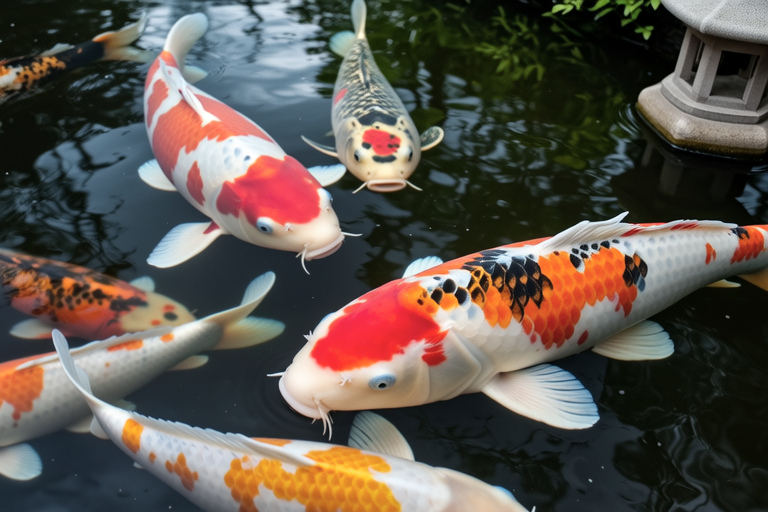
Beyond the Surface: Caring for Your Koi Like a Pro
Koi fish have captivated enthusiasts for centuries with their vibrant colors and graceful movements. However, behind their serene appearance lies a complex world of care that requires attention to detail. This guide aims to provide comprehensive knowledge for both novice and experienced koi keepers, ensuring your koi thrive in their aquatic environment.
Essential Koi Care: Proper Water Quality Maintenance
The foundation of any successful koi pond lies in maintaining optimal water quality. Koi are sensitive creatures, and even slight imbalances can lead to stress or illness. Regular monitoring of parameters such as pH, ammonia, nitrite, and nitrate levels is crucial. A stable pH between 7.2 and 8.0 ensures a hospitable environment, while ammonia and nitrite should be kept at zero to prevent toxicity.
Water changes are essential to remove accumulated waste and maintain cleanliness. Aim for partial water changes (about 10-20%) every two weeks, increasing frequency during warmer months when biological activity accelerates. Utilize dechlorinated water to avoid introducing harmful chemicals. Additionally, investing in a robust filtration system is vital; it not only clarifies the water but also aids in breaking down harmful substances.
Diet Specifics: Feeding Your Koi Correctly
Proper nutrition is key to keeping koi healthy and vibrant. Their diet should be balanced and varied, including pellets, flakes, and occasional treats like vegetables or specialized supplements. Feed your koi small amounts several times daily rather than large meals once a day. Overfeeding can lead to poor water quality and obesity.
Adjust feeding habits according to the season. In colder temperatures, reduce feedings since koi become less active and require fewer nutrients. Conversely, increase portions slightly during spring and summer when growth rates peak. Always choose high-quality commercial feeds designed specifically for koi, ensuring they meet nutritional standards set by industry experts.
Common Health Issues and Prevention Tips
Despite diligent care, koi may still encounter health problems. Recognizing symptoms early allows for prompt intervention, potentially saving lives. Common ailments include fin rot, parasites, bacterial infections, and fungal growths. Regular observation helps identify these issues before they escalate.
To prevent illnesses, focus on creating a clean habitat free from contaminants. Implement quarantine procedures for new additions until they acclimate fully. Avoid overcrowding ponds, which increases competition for resources and raises stress levels among inhabitants. Lastly, consult veterinarians specializing in aquatic animals if you suspect serious conditions affecting your koi.
The Importance of Pond Ecosystem Balance
A thriving koi pond mimics nature’s ecosystems, where various components work together harmoniously. Besides fish, plants play a critical role by absorbing excess nutrients and producing oxygen through photosynthesis. Algae control becomes easier when balanced with submerged vegetation like hornwort or anacharis.
Incorporating beneficial bacteria further enhances this equilibrium. These microorganisms break down organic matter, converting harmful compounds into less toxic forms. Introduce them via biofilters or starter cultures available commercially. Strive for a diverse community within your pond, fostering resilience against disruptions.
Seasonal Care Adjustments
Adapting your approach throughout the year ensures continuous well-being for your koi. Winter poses unique challenges due to reduced activity and potential freezing conditions. Protect shallow areas with heaters or insulating covers. Gradually decrease feeding as temperatures drop below 50°F (10°C).
Conversely, summer brings increased metabolic demands alongside potential heat stress. Install shade structures over parts of the pond to minimize direct sunlight exposure. Monitor dissolved oxygen closely; supplemental aerators might become necessary during hot spells.
Selecting Suitable Koi Varieties Based on Climate and Space
Choosing appropriate koi varieties involves considering local weather patterns and available space. Cooler climates favor hardier breeds capable of enduring harsh winters, whereas tropical regions benefit from more delicate species suited to warmth.
Space constraints influence selection too. Smaller ponds accommodate compact morphologies better, whereas larger setups allow for longer, flowing fins typical in show-quality specimens. Research thoroughly before making purchases, consulting reputable breeders familiar with regional requirements.
Practical Advice and Debunked Myths
Several misconceptions surround koi keeping. One prevalent myth suggests adding salt directly to the pond as a cure-all remedy. While salt can help manage certain parasitic infestations, improper application risks upsetting osmotic balances and harming non-target organisms.
Another misconception involves over-reliance on chemical treatments without addressing root causes. Instead of masking symptoms, address underlying factors contributing to poor health, such as inadequate filtration or excessive feeding.
Lastly, remember that patience is paramount when raising koi. Growth rates vary depending upon genetics, diet, and environmental conditions. Allow ample time for development, avoiding premature judgments regarding progress.
In conclusion, mastering koi care requires dedication and continuous learning. By focusing on water quality, nutrition, disease prevention, ecosystem balance, and seasonal adjustments, you’ll create a nurturing environment conducive to long-term success. Embrace each challenge as an opportunity to deepen your understanding and enhance your skills, ultimately elevating your status among fellow hobbyists.
