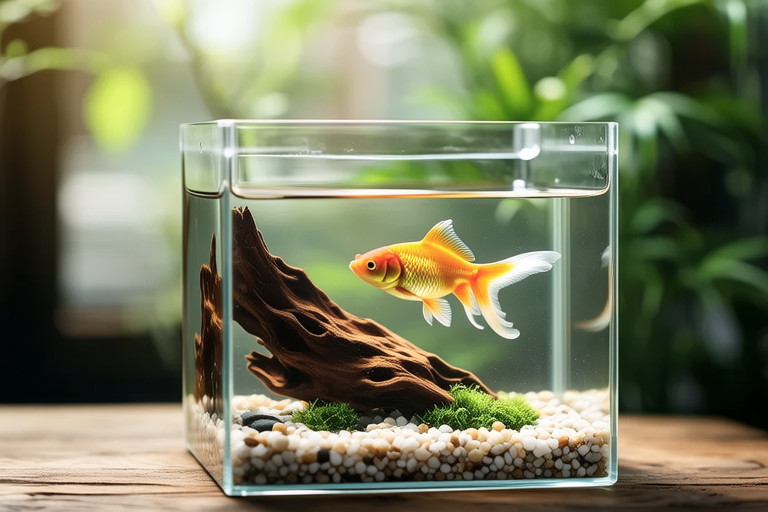
How to Create an Oasis for Your Goldfish: Tank Setup Tips
Welcome to the fascinating world of goldfish keeping! Creating an ideal habitat for your goldfish is crucial for their health and longevity. This comprehensive guide will walk you through the essential elements of setting up a goldfish tank, ensuring that your aquatic friends thrive in their new home. From selecting the right tank size to understanding filtration systems, we’ll cover everything you need to know.
Optimal Tank Size Recommendations
The first step in creating an oasis for your goldfish is choosing the right tank size. Goldfish are active swimmers and require ample space to move around freely. A general rule of thumb is to provide at least 20 gallons of water per goldfish. For example, if you plan to keep two goldfish, a 40-gallon tank would be appropriate. Larger tanks are even better, as they offer more stability in water parameters and allow for better swimming room.
Remember, goldfish grow quickly, especially when well cared for. Plan for a tank that can accommodate the adult size of your fish. Overcrowding leads to stress, poor water quality, and increased susceptibility to diseases. Therefore, it’s wise to start with a larger tank or anticipate upgrading as your goldfish grow.
Filtration System Details
A high-quality filtration system is vital for maintaining clean and healthy water in your goldfish tank. Goldfish are notorious for producing waste, which can quickly foul the water if not managed properly. The filtration system should be capable of processing the entire volume of water in the tank several times per hour.
There are three main types of filtration systems: mechanical, biological, and chemical. Mechanical filtration removes large particles from the water, such as uneaten food and debris. Biological filtration supports beneficial bacteria that break down harmful ammonia and nitrite into less toxic nitrate. Chemical filtration helps remove dissolved organic compounds and other impurities.
For goldfish, a combination of mechanical and biological filtration is recommended. Consider investing in a filter that offers adjustable flow rates, allowing you to customize the water movement based on your tank’s specific needs. Additionally, incorporating a sponge filter can enhance biological filtration by providing more surface area for beneficial bacteria to colonize.
Proper Heating and Lighting Requirements
Goldfish are cold-water fish and generally do not require a heater. However, maintaining a stable temperature within the range of 68-74°F (20-23°C) is important for their overall health. Sudden temperature fluctuations can stress your fish, so it’s advisable to keep the tank away from direct sunlight and heat sources.
Lighting plays a crucial role in simulating natural day-night cycles, which helps regulate your goldfish’s behavior and promotes healthy growth. Choose a light fixture that provides full-spectrum lighting, mimicking natural sunlight. Aim for 8-12 hours of light per day, adjusting the duration based on seasonal changes. Avoid overly bright or intense lighting, as it can cause stress and affect water clarity.
Beneficial Plant Selections
Incorporating live plants into your goldfish tank not only enhances its aesthetic appeal but also provides numerous benefits for your fish. Plants help oxygenate the water, absorb excess nutrients, and offer hiding spots and resting areas for your goldfish. Some excellent plant choices for goldfish tanks include:
- Anubias: This hardy plant thrives in low-light conditions and doesn’t require frequent trimming.
- Hornwort: Known for its fast growth rate and ability to float freely in the water column.
- Ludwigia Repens: Provides lush greenery and can grow both submerged and partially emerged.
When selecting plants, ensure they are compatible with goldfish and can withstand the tank’s environmental conditions. Additionally, consider the placement of plants to create a balanced and visually appealing layout within your tank.
Substrate Options
The choice of substrate can significantly impact the appearance and functionality of your goldfish tank. Substrates serve multiple purposes, including providing a natural look, housing beneficial bacteria, and offering a surface for plants to root. Here are some popular substrate options:
- Sand: Fine sand is gentle on goldfish fins and provides a natural-looking bottom. It’s particularly suitable for planted tanks.
- Gravel: Gravel comes in various sizes and colors, offering both aesthetics and functionality. Medium-sized gravel is easy to maintain and allows for good water circulation.
- Decorative Substrates: Specialty substrates, such as aquarium gravel with embedded minerals or colored sands, can add unique visual interest to your tank.
Regardless of the substrate chosen, ensure it is free from sharp edges and chemicals that could harm your goldfish. Rinse the substrate thoroughly before adding it to the tank to remove any dust or debris.
Regular Maintenance Tips
Consistent maintenance is key to keeping your goldfish tank in top condition. Regular cleaning and monitoring of water parameters help prevent issues before they escalate. Here are some essential maintenance tips:
- Water Changes: Perform partial water changes weekly, removing about 25% of the tank water and replacing it with fresh, dechlorinated water. This helps dilute accumulated toxins and maintains stable water chemistry.
- Cleaning Equipment: Clean the filter media and any decorations regularly to prevent the buildup of debris and harmful substances. Avoid using soap or harsh chemicals, as these can be toxic to your goldfish.
- Monitoring Water Parameters: Test the water regularly for pH, ammonia, nitrite, and nitrate levels. Keep a log of these readings to track trends and identify potential problems early.
- Feeding Habits: Feed your goldfish small amounts of high-quality food twice daily. Avoid overfeeding, as excess food can lead to poor water quality and obesity in your fish.
By following these maintenance practices, you can ensure that your goldfish tank remains a healthy and vibrant environment for your aquatic companions.
Conclusion
Creating an oasis for your goldfish involves careful planning and attention to detail. By selecting the appropriate tank size, installing a reliable filtration system, and providing optimal heating and lighting, you lay the foundation for a thriving aquatic ecosystem. Incorporating beneficial plants, choosing the right substrate, and adhering to regular maintenance routines further enhance your goldfish’s living conditions.
Your dedication to setting up a well-balanced and stimulating environment will undoubtedly contribute to the health and longevity of your goldfish. With this comprehensive guide, you’re equipped to create a beautiful and functional habitat where your goldfish can flourish. Happy fishkeeping!
