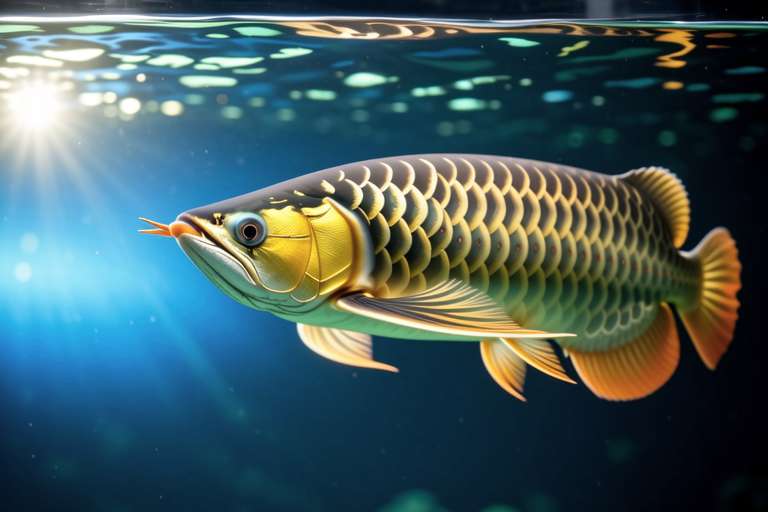
The Arowana Phenomenon: Unveiling Myths and Realities
The Arowana, often referred to as the Dragon Fish due to its distinct appearance and legendary status, has captivated the hearts and minds of aquarists worldwide. This majestic creature, native to tropical regions of Asia, South America, and Africa, is not only a marvel of aquatic life but also holds significant cultural and mythological importance. In this comprehensive article, we will explore the myths and realities surrounding Arowana fish, providing an insightful look at their cultural significance, dispelling common misconceptions about their care and value, and offering practical advice for potential owners.
Cultural Significance
In many Asian cultures, particularly in countries like Singapore, Malaysia, and Indonesia, the Arowana is revered for its perceived ability to bring good fortune and ward off evil spirits. This belief is rooted in ancient folklore, where the fish’s powerful presence and striking appearance symbolize strength, prosperity, and protection. The Arowana is often seen as a guardian spirit, capable of bringing luck and success to those who own it.
Furthermore, in Chinese culture, the Arowana is associated with the dragon, a mythical creature that represents power, nobility, and wisdom. This connection adds to the fish’s mystique and desirability among collectors and enthusiasts. The Arowana’s red coloration, in particular, is highly prized, as it is believed to bring the most favorable outcomes.
Myths vs. Realities
Despite its cultural significance, many myths have developed around the Arowana, often leading to misunderstandings about its care and value. One common misconception is that owning an Arowana guarantees wealth and success. While the fish does hold symbolic importance in certain cultures, it cannot replace traditional methods of achieving prosperity such as hard work, education, and sound financial management.
Another myth is that Arowanas require specific water conditions that are difficult to replicate in home aquariums. In reality, while Arowanas do prefer warm, slightly acidic water, they can thrive in well-maintained aquariums provided proper care is given. It is essential to research and understand the specific needs of the species you intend to keep before purchasing one.
Lastly, there is a widespread belief that all Arowanas are valuable and rare. While some species, like the Scleropages formosus (Asian Arowana), are indeed protected and expensive, others, such as the Osteoglossum bicirrhosum (Silver Arowana), are more commonly available and affordable. It is crucial to verify the legality and ethics of acquiring any Arowana, especially if it is a protected species.
Unique Behaviors
Arowanas exhibit fascinating behaviors that set them apart from other fish species. One of the most notable traits is their ability to leap out of the water to catch insects and small birds. This behavior, known as “surface feeding,” is an adaptation that allows the fish to exploit a broader range of food sources. Observing an Arowana perform this action is not only impressive but also a testament to its agility and intelligence.
Additionally, Arowanas are known for their strong parental instincts. Males of some species, like the Asian Arowana, will guard the eggs and young fry until they are old enough to fend for themselves. This level of care and dedication further underscores the complexity of these creatures.
Care and Maintenance
Proper care is essential for ensuring the health and longevity of an Arowana. The first step in maintaining a healthy environment for your Arowana is to provide an appropriately sized tank. Adult Arowanas can grow quite large, so a minimum tank size of 48 inches in length is recommended. The tank should be equipped with a powerful filtration system to maintain water quality and ensure adequate oxygenation.
Water parameters are equally important. Arowanas prefer water temperatures between 76°F and 82°F (24°C to 28°C) and a pH level between 6.5 and 7.5. Regular testing and maintenance of these parameters are necessary to prevent stress and disease. Additionally, it is advisable to provide ample hiding spots and decor to mimic the natural environment and reduce stress.
Feeding an Arowana requires attention to its dietary needs. These fish are carnivorous and require a diet rich in protein. High-quality pellets designed for predatory fish are an excellent staple, but supplementing with live or frozen foods like shrimp, feeder fish, and earthworms can enhance their diet and promote optimal health.
Value and Conservation
The value of an Arowana can vary significantly depending on factors such as species, age, and coloration. Protected species like the Asian Arowana can fetch thousands of dollars, making them a coveted prize among collectors. However, the high demand for these fish has led to overexploitation and illegal trade, threatening their survival in the wild.
To address this issue, several conservation efforts are underway, including captive breeding programs and stricter regulations on the trade of protected species. As a responsible pet owner, it is vital to support these initiatives by purchasing from reputable breeders and avoiding wild-caught specimens.
Practical Advice for Potential Owners
If you are considering adding an Arowana to your collection, there are several key points to keep in mind:
- Research thoroughly: Before making a purchase, familiarize yourself with the specific requirements of the species you are interested in. Understanding their dietary needs, social behavior, and environmental preferences will help ensure a successful and enjoyable experience.
- Prepare adequately: Investing in a properly sized tank, filtration system, and appropriate decor is crucial for creating a healthy environment. Taking the time to set up a suitable habitat will pay dividends in terms of the fish’s well-being and your enjoyment as an owner.
- Be patient: Arowanas can take time to acclimate to new environments and may initially be shy. Patience and consistency in providing proper care will help them thrive and develop a trusting relationship with you.
- Consider ethical sourcing: Opt for captive-bred specimens from reputable breeders to avoid contributing to the depletion of wild populations. Supporting sustainable practices helps protect these magnificent creatures for future generations.
Conclusion
The Arowana is a truly remarkable fish, combining beauty, intelligence, and cultural significance. By understanding the myths and realities surrounding these creatures, we can appreciate their unique qualities and provide them with the care they deserve. Whether you are a seasoned aquarist or a newcomer to the world of exotic pets, the Arowana offers a rewarding and enriching experience. With proper research, preparation, and commitment, you can enjoy the company of these magnificent fish while contributing to their conservation and welfare.
