Siamese Cats: A Comprehensive Guide
The Siamese cat is one of the most recognizable and beloved breeds in the world. Known for their striking blue almond-shaped eyes, sleek coats, and vibrant personalities, these felines have captivated human hearts for centuries. This guide explores the unique characteristics and behaviors of Siamese cats, delving into their origins, physical traits, vocal nature, intelligence, and social tendencies. We will also discuss their care requirements, common health issues, and provide insights into the historical context and myths surrounding them.
Origins and Historical Context
The history of the Siamese cat dates back to ancient Siam, now known as Thailand. These cats were once considered sacred and were often kept in temples and royal palaces. They were believed to be protectors of the household and guardians of treasures. The first Siamese cats arrived in England in the late 19th century, where they quickly gained popularity due to their distinctive appearance and charming personalities.
One of the most famous stories about Siamese cats involves King Rama V of Siam. According to legend, he gifted four Siamese cats to the American consul in Bangkok, who then brought them back to the United States. This event marked the beginning of the Siamese cat’s journey to becoming one of the most popular breeds in the Western world.
Physical Traits
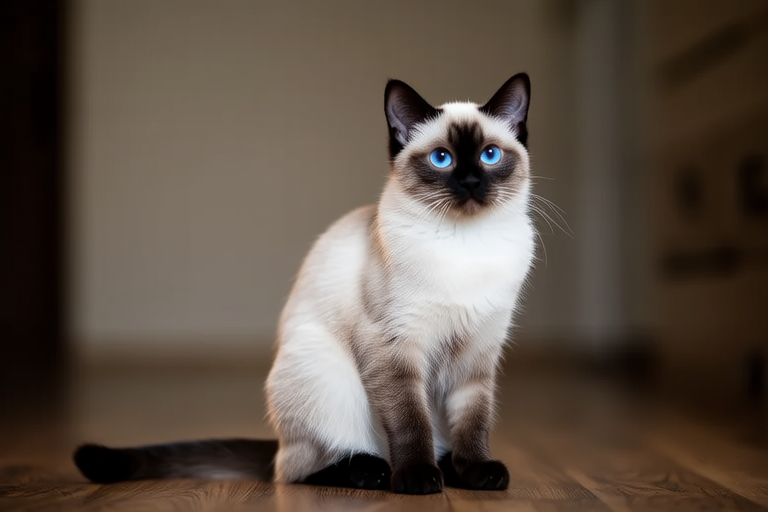
Siamese cats are medium-sized cats with a slender, muscular build. Their coats are short, fine, and glossy, and they come in several color points, including seal point, blue point, chocolate point, and lilac point. The coat color is lighter on the body and darker on the extremities, such as the face, ears, paws, and tail. This coloration is known as “pointing” and is caused by a temperature-sensitive enzyme that darkens the cooler parts of the cat’s body.
One of the most striking features of Siamese cats is their blue almond-shaped eyes, which are large, expressive, and captivating. Their ears are wide-set and pointed, giving them an alert and curious appearance. Siamese cats have a long, elegant neck and a wedge-shaped head that adds to their distinctive look.
Vocal Nature and Intelligence
Siamese cats are known for their vocal nature, often referred to as “talking.” They are highly communicative and will frequently meow, chirp, and make other sounds to express themselves. Some owners describe their vocalizations as “conversation,” as Siamese cats seem to engage in two-way communication with their human companions.
This vocal nature is often attributed to their intelligence and curiosity. Siamese cats are highly intelligent and can be trained to perform tricks and respond to commands. They enjoy solving puzzles and playing interactive games, which keeps their minds sharp and engaged. Their intelligence also makes them quick learners, and they can pick up on routines and habits within their household.
Anecdote: One owner shared that her Siamese cat, named Luna, would sit by the door every morning at exactly 7 AM, meowing until she was let outside. After a few weeks, Luna learned that if she waited until 7:30 AM, her owner would come to her without being prompted. Luna adjusted her routine accordingly, demonstrating her keen sense of time and understanding of human behavior.
Social Tendencies
Siamese cats are highly social and thrive on human interaction. They form strong bonds with their owners and often seek out attention and affection. Siamese cats are known to follow their owners around the house, participate in daily activities, and even help with tasks like opening doors or turning off lights. They enjoy being part of the family and often prefer to be close to their humans, whether it’s sitting on laps, curling up next to them on the couch, or sleeping in bed.
Siamese cats are also very playful and enjoy interacting with other animals, especially if introduced to them from a young age. They get along well with dogs and other cats, but they may become jealous if they feel neglected or ignored. It’s important to provide Siamese cats with plenty of attention and stimulation to prevent behavioral issues.
Care Requirements
Siamese cats are relatively low-maintenance when it comes to grooming. Their short coats require minimal brushing, and they are generally clean and self-sufficient. However, regular grooming can help remove loose fur and prevent hairballs. It’s recommended to brush your Siamese cat once a week with a soft-bristled brush or a grooming glove.
Siamese cats are sensitive to temperature changes, so it’s important to keep them warm during colder months. Provide them with cozy blankets, heated beds, or access to sunny spots in the house. They also enjoy water, so consider providing a cat fountain or multiple water sources throughout the home.
Siamese cats are highly active and enjoy mental stimulation. Provide them with toys that encourage problem-solving and exploration, such as puzzle feeders, treat-dispensing balls, and interactive laser pointers. Rotate toys regularly to keep them engaged and prevent boredom.
Common Health Issues
While Siamese cats are generally healthy, they are prone to certain genetic conditions. One of the most common health issues is cross-eye, also known as strabismus. This condition occurs when the eyes are not properly aligned, causing one eye to drift inward or outward. While it does not usually affect vision, it can be corrected with surgery if necessary.
Another genetic condition that affects Siamese cats is craniofacial abnormalities, which can lead to breathing difficulties and dental problems. Regular dental check-ups and cleaning are essential to maintain good oral health. Additionally, Siamese cats are more susceptible to certain types of cancer, such as lymphoma and mammary tumors, so it’s important to monitor them for any unusual symptoms and consult a veterinarian if concerns arise.
Myths and Misconceptions
Despite their popularity, Siamese cats are often misunderstood. One common myth is that they are aggressive or mean-spirited. In reality, Siamese cats are gentle, affectionate, and loyal companions. Another misconception is that they are aloof or independent. While Siamese cats can be independent thinkers, they are highly social and crave attention from their human families.
Some people believe that Siamese cats are nocturnal, meaning they are active primarily at night. While Siamese cats can be more active during the evening hours, they are not strictly nocturnal. Their activity levels can vary depending on individual preferences and routines.
Conclusion
Siamese cats are truly unique and captivating creatures. Their striking appearance, vocal nature, intelligence, and social tendencies make them stand out among other cat breeds. With proper care and attention, Siamese cats can bring years of joy and companionship to their human families. Whether you’re a seasoned cat owner or considering adopting a Siamese for the first time, these fascinating felines are sure to capture your heart.
