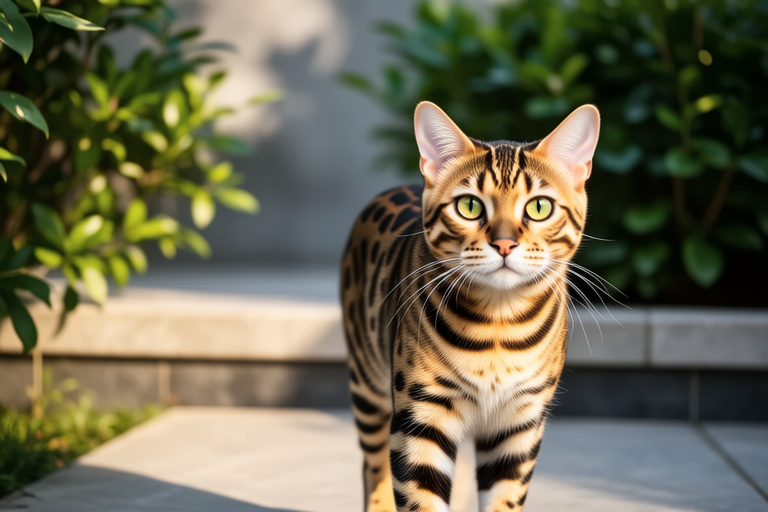
Bengal Cats: A Comprehensive Guide
The Bengal cat is a breed that captivates many with its striking resemblance to a small leopard. Known for their vibrant coat patterns and wild looks, these felines have gained immense popularity over the years. However, behind their exotic appearance lies a complex creature with unique behaviors, traits, and needs. This article aims to explore the true essence of living with a Bengal cat, dispelling common myths and providing valuable insights for potential owners.
Unique Behaviors of Bengal Cats
Bengal cats are known for their high energy levels and playful nature. They are incredibly active, often engaging in activities such as climbing, jumping, and chasing toys. Their natural curiosity drives them to explore their environment thoroughly, making them excellent companions for interactive play sessions. These cats also exhibit a strong hunting instinct, which can be observed through their pouncing behavior and interest in small objects or insects.
In addition to their physical activities, Bengal cats are highly intelligent. They possess problem-solving skills and can learn tricks or respond to commands. Their intelligence makes them adaptable and quick learners, but it also requires mental stimulation to prevent boredom. Providing puzzle toys or teaching new tricks can help keep their minds engaged and prevent destructive behaviors.
Vocal Tendencies and Grooming Habits
Bengal cats are known for their distinctive vocalizations, often referred to as “chirping.” Unlike typical meowing, this sound resembles a bird’s chirp and is used to communicate with humans or other cats. While some owners find this charming, others may perceive it as noise. It’s important to understand that this is part of the Bengal’s communication style and should not be discouraged unless it becomes excessive.
Grooming habits of Bengal cats are relatively low-maintenance compared to some other breeds. Their short, dense coats require regular brushing to remove loose hair and distribute natural oils. However, due to their active lifestyle, they may benefit from additional grooming to keep their fur in optimal condition. Bathing should be minimal, as frequent bathing can strip their coat of essential oils.
Dietary Needs and Health Considerations
Bengal cats have specific dietary requirements that should be met to ensure their overall health and well-being. A balanced diet rich in protein, fats, vitamins, and minerals is crucial. High-quality commercial cat food formulated for their nutritional needs is recommended. Owners should consult with a veterinarian to determine the appropriate portion sizes and feeding schedule based on the cat’s age, weight, and activity level.
Health considerations for Bengal cats include regular veterinary check-ups, vaccinations, and parasite control. Due to their hybrid ancestry, Bengals may be more prone to certain genetic conditions, such as hypertrophic cardiomyopathy (HCM) or progressive retinal atrophy (PRA). Early detection and management of these conditions are vital for maintaining their quality of life.
Myths and Misconceptions About Bengal Cats
One common misconception about Bengal cats is that they are wild animals and difficult to tame. This belief stems from their exotic appearance and wild ancestors. In reality, Bengal cats are domesticated and can form strong bonds with their human companions when properly socialized. With consistent positive reinforcement and patience, they can become affectionate and loyal pets.
Another myth is that Bengal cats are aggressive and unsuitable for families with children. While it’s true that they can be more energetic than other breeds, their temperament varies widely depending on individual personality and upbringing. Proper socialization from an early age can help them develop a gentle and friendly disposition towards children. It’s essential for parents to teach children how to interact appropriately with the cat to ensure a harmonious relationship.
Tips for Potential Owners
Living with a Bengal cat requires understanding their social requirements, exercise needs, and health considerations. These cats thrive in environments that provide ample space for exploration and play. Owners should create a stimulating environment by offering climbing structures, scratching posts, and various toys. Interactive play sessions not only fulfill their physical needs but also strengthen the bond between owner and cat.
Exercise is crucial for maintaining the health and happiness of Bengal cats. Regular playtime helps burn off excess energy and prevents behavioral issues. Owners can engage in activities such as fetch, laser pointer games, or even training sessions to keep their cats mentally and physically stimulated. Additionally, providing vertical spaces like shelves or cat trees allows them to satisfy their natural climbing instincts.
When it comes to socialization, Bengal cats benefit from early exposure to different people, animals, and environments. This helps them develop confidence and adaptability, making them more comfortable in various situations. Socializing with other cats or dogs can also enhance their social skills and reduce territorial behavior.
Conclusion
Bengal cats are fascinating creatures with unique behaviors, traits, and needs. Understanding their energetic nature, intelligence, vocal tendencies, grooming habits, and dietary requirements is essential for providing them with a fulfilling life. By debunking common myths and misconceptions, this article aims to educate potential owners on what it truly means to live with a Bengal cat. With proper care, attention, and understanding, these captivating felines can become cherished members of any household.
