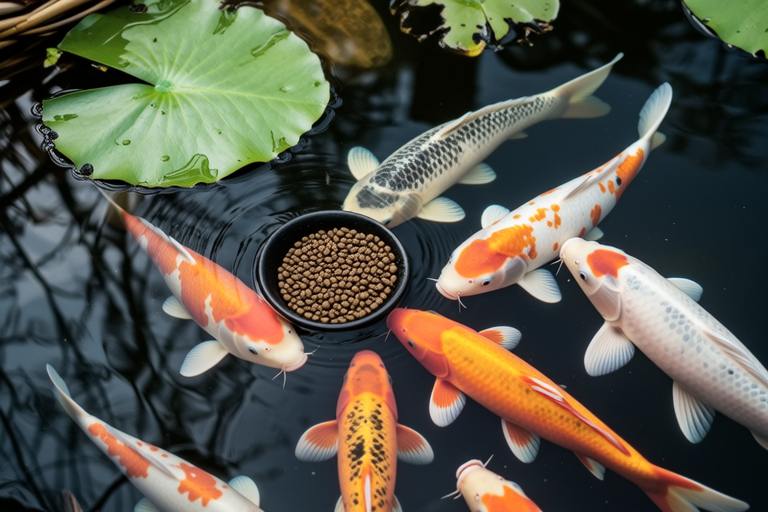
How to Choose the Best Koi Food for Vibrant Color and Health
Koi fish are renowned for their vibrant colors and graceful movements, making them a favorite among pond enthusiasts. However, maintaining these characteristics requires more than just a beautiful pond; it necessitates proper nutrition. The right diet can significantly enhance the health and color vibrancy of your koi, ensuring they thrive in their aquatic environment. This article will guide you through selecting the best koi food, understanding key nutrients, and implementing effective feeding practices.
The Importance of Proper Nutrition
Proper nutrition is fundamental to the health and vitality of koi fish. Just like humans, koi require a balanced diet rich in proteins, fats, vitamins, and minerals. A well-fed koi not only exhibits brighter colors but also demonstrates better resistance to diseases, improved growth rates, and increased longevity. Ensuring that your koi receive adequate nutrition can prevent common issues such as malnutrition, weakened immune systems, and reduced reproductive success.
Key Nutrients for Koi Health and Color
Protein
Protein is the building block of muscle tissue and plays a crucial role in the overall development of koi. It supports their growth, repairs damaged tissues, and enhances their immune system. High-quality protein sources include fish meal, soybean meal, and wheat germ. Look for foods with at least 40% crude protein content to ensure optimal growth and health.
Fats
Fats provide energy and help maintain the structural integrity of cell membranes. They are particularly important for enhancing the luster and color of koi. Omega-3 fatty acids, found in flaxseed oil and fish oils, contribute to vibrant colors and healthy scales. Aim for koi food containing at least 5% fat to support these benefits.
Vitamins and Minerals
Vitamins and minerals are essential for various physiological processes, including metabolism, bone formation, and immune function. Vitamin C promotes collagen synthesis, while vitamin E acts as an antioxidant, protecting cells from oxidative damage. Calcium and phosphorus are vital for bone strength and scale development. Ensure your koi food includes a comprehensive mix of these micronutrients.
Different Types of Koi Food
Pellets
Pellets are one of the most popular forms of koi food due to their convenience and nutritional value. They are designed to float on the water surface, allowing koi to easily access them. Pellets come in various sizes to cater to different koi sizes and ages. Smaller pellets are ideal for young koi, while larger pellets suit adult koi. Pellets offer excellent nutritional consistency and are easy to store.
Flakes
Flakes are another common type of koi food, known for their ease of use and quick dissolution. They are perfect for quick snacks or supplementary feeding. However, they may not provide the same level of nutritional density as pellets. Flakes can be useful for conditioning koi before breeding or during colder months when koi are less active. Their rapid dissolution can lead to water pollution if overfed, so careful monitoring is necessary.
Frozen/Live Foods
Frozen or live foods, such as bloodworms, brine shrimp, and daphnia, offer a natural diet that can enhance color and promote overall health. These foods are rich in proteins, fats, and essential vitamins and minerals. While they are highly nutritious, they can be challenging to source consistently and may introduce pathogens into the pond. Frozen foods are a safer alternative, offering similar benefits without the risks associated with live foods.
Reading Food Labels Effectively
Understanding food labels is crucial when selecting the best koi food. Start by examining the list of ingredients, looking for high-quality protein sources and beneficial fats. Avoid foods containing fillers, artificial colors, or preservatives. Pay attention to the percentage of crude protein and fat, ensuring they meet the recommended levels. Additionally, check for added vitamins and minerals to ensure a balanced diet.
Feeding Schedules and Quantities
Establishing a consistent feeding schedule is vital for maintaining koi health. Young koi require frequent feedings, often three times daily, while mature koi can be fed once or twice daily. The quantity of food should be adjusted based on koi size, age, and pond conditions. As a general rule, feed only what the koi can consume within five minutes. Overfeeding can lead to water pollution and health issues, while underfeeding can result in malnutrition.
The Impact of Water Quality
Water quality plays a significant role in koi health and their ability to utilize nutrients from their food. Poor water quality can hinder digestion and absorption of essential nutrients, leading to health problems. Regular water testing and maintenance are essential to ensure optimal conditions. Maintain appropriate pH levels, ammonia, nitrite, and nitrate concentrations to support koi health and nutrient utilization.
In conclusion, choosing the best koi food is a critical aspect of koi keeping. By understanding the importance of proper nutrition, key nutrients, and different types of koi food, you can make informed decisions that promote the health and color vibrancy of your koi. Remember to read food labels carefully, establish a consistent feeding schedule, and maintain excellent water quality to ensure your koi thrive in their aquatic environment.
