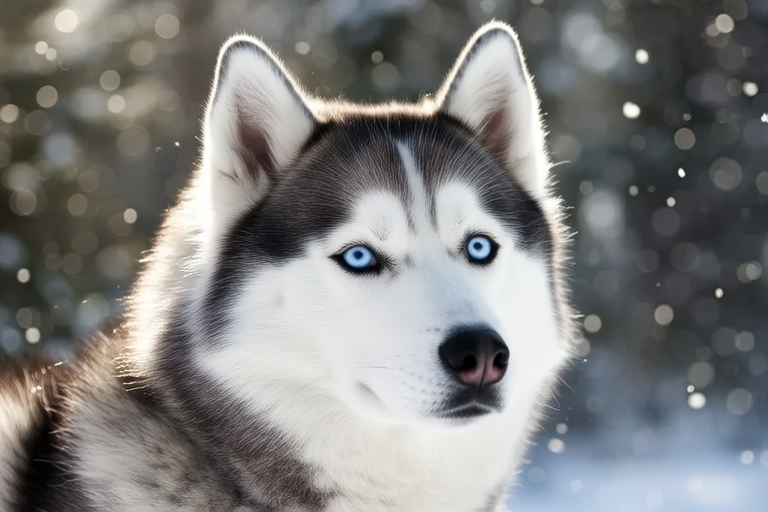
Why Everyone Is Obsessed With Siberian Huskies – And It’s Not Just Their Eyes!
Let’s be honest: the first thing most people notice about a Siberian Husky is their mesmerizing eyes—those striking blue, gray, or even heterochromatic (different-colored) orbs that seem to hold galaxies within them. But while those eyes are undeniably captivating, they’re only the tip of the iceberg when it comes to what makes Huskies so beloved around the world. From their wolf-like appearance to their playful personalities, these dogs have captured hearts far beyond their looks.
So why are millions of people falling head over heels for this breed? What truly sets Siberian Huskies apart from other dogs? In this deep dive, we’ll explore the fascinating traits that make Huskies more than just a pretty face—uncovering their social nature, boundless energy, intelligence, resilience in cold climates, deep loyalty, and signature howls. We’ll also tackle common misconceptions and offer real-world advice for anyone considering bringing a Husky into their life.
The Friendly Face Behind the Fierce Look
One of the biggest surprises for first-time Husky owners is just how friendly and social these dogs truly are. Despite their wild, almost Arctic wolf appearance, Siberian Huskies are not aggressive or aloof. In fact, they’re known as one of the most sociable dog breeds—often described as “velcro dogs” because they love being close to their humans.
Take Sarah from Anchorage, Alaska, who adopted a Husky named Loki after losing her previous dog. “I was nervous at first,” she recalls. “He looked so intense, like he’d be hard to handle. But from day one, he wanted to cuddle, play, and follow me everywhere. He greeted my neighbors like old friends and even tried to join our family dinner!”
This sociability isn’t just anecdotal—it’s deeply rooted in the breed’s history. Originally bred by the Chukchi people of Siberia to pull sleds over long distances, Huskies lived closely with humans in harsh conditions. Their survival depended on teamwork and cooperation, which fostered a strong pack mentality and an innate desire to please and bond with people.
High Energy & The Need for Activity: Don’t Underestimate the Runners
If you’re looking for a couch potato, a Siberian Husky is probably not your best match. These dogs are born to run. A typical Husky can cover 5–10 miles a day in the wild, and their energy levels remain sky-high throughout their lives.
Consider Max, a retired firefighter from Colorado who adopted a young Husky mix. “I thought I’d take him on walks, maybe a few hikes. But within a week, he was pulling me through the woods like he was chasing a moose! He needed constant mental and physical stimulation—or he’d turn the house into a demolition site.”
For Husky owners, daily exercise isn’t optional—it’s essential. Long walks, jogging, biking alongside them (on a leash), hiking, agility training, or even dog sports like flyball or disc dog can keep them happy and well-behaved. Without sufficient activity, Huskies may resort to chewing, digging, barking excessively, or attempting to escape—behavior often mislabeled as “mischievous” but really just a cry for attention and purpose.
Intelligent & Trainable—but with a Mind of Their Own
Siberian Huskies rank among the top 20 smartest dog breeds according to canine psychologist Stanley Coren. They learn commands quickly and excel in obedience and advanced training tasks. Yet, their intelligence can sometimes work against them—especially if they find a task boring or uninteresting.
“They’re incredibly clever,” says Lisa, a certified dog trainer in Montana. “But they’re also independent thinkers. You can’t just command them like a robot. They need motivation, positive reinforcement, and variety in training sessions.”
Many new owners mistakenly label Huskies as “stubborn.” But it’s not stubbornness—it’s selectivity. They choose when to cooperate based on interest, reward, and connection. Training should focus on building trust, using treats, games, and praise rather than punishment. Consistency and patience go a long way.
Pro tip: Use puzzle toys, scent games, and interactive feeders to challenge their minds. A bored Husky is a creative Husky—sometimes in ways that aren’t ideal for your furniture or garden.
Cold-Weather Champions: The Thick Double Coat That Defies Winter
One of the most remarkable features of the Siberian Husky is their thick double coat—a marvel of natural engineering designed for extreme cold. The outer coat consists of coarse guard hairs that repel snow and moisture, while the dense undercoat traps heat like a thermal blanket.
It’s no exaggeration: Huskies thrive in sub-zero temperatures. In fact, they can comfortably live outdoors in winter climates without supplemental heating—something most dogs cannot do.
But here’s the catch: this same coat is a double-edged sword. During shedding seasons (usually spring and fall), Huskies blow their entire undercoat in a process called “blowing coat.” This can result in a furry storm around your home, with fur flying off like dandelion seeds.
Regular brushing—at least 3–5 times per week during shedding season—is non-negotiable. A slicker brush and undercoat rake help remove loose fur and prevent matting. While the coat protects them from cold, it doesn’t protect them from overheating—so never leave a Husky in a hot car or let them overexert in warm weather.
Loyal Companions with a Pack Mentality
Despite their independent streak, Huskies are deeply loyal and form strong emotional bonds with their families. They don’t just see their owners as caretakers—they consider them part of their pack.
This pack instinct means Huskies often struggle with separation anxiety. If left alone too long, especially in unfamiliar environments, they may become destructive or vocalize loudly. They’re happiest when included in family activities—whether it’s helping carry groceries, joining you on a hike, or simply lounging beside you on the couch.
“My Husky, Luna, follows me from room to room like a shadow,” says James, a software developer in Minnesota. “She even tries to ‘help’ me type—by sitting on my lap or nudging my keyboard. She’s not just a pet; she feels like a teammate.”
For Husky owners, inclusion is key. Involve them in your life—not just physically, but emotionally. They thrive on companionship and routine.
The Howl That Echoes Through the Night
Perhaps one of the most misunderstood aspects of Husky behavior is their vocalization. Unlike many breeds that bark, Huskies are renowned for howling—and yes, it’s often loud and melodic.
Howling is a natural form of communication for Huskies. In the wild, wolves and sled dogs howled to signal location, coordinate movement, or express emotion. Your Husky might howl when excited, anxious, or simply because they’re responding to music or sirens—especially high-pitched sounds that mimic their own vocal range.
“I once had a neighbor complain about my Husky howling at a passing ambulance,” laughs Maria from Wisconsin. “I told her, ‘He’s not being disruptive—he’s having a conversation with the emergency crew!’”
While howling isn’t typically a sign of aggression, it can indicate boredom, loneliness, or stress. If your Husky howls excessively, it’s worth examining their environment and routine. Providing mental enrichment and consistent interaction can greatly reduce unwanted vocalizations.
Busting the Myths: What Huskies Are NOT
Despite their popularity, several myths surround Siberian Huskies. Let’s clear the air:
- Myth: Huskies are aggressive. Fact: Huskies are generally gentle and non-aggressive. They were bred to work alongside people, not fight. Aggression in any dog is usually due to poor socialization, trauma, or mistreatment—not breed-specific.
- Myth: Huskies are impossible to train. Fact: They’re intelligent and eager to please, but require patient, reward-based training. Harsh methods backfire—Huskies respond better to kindness and consistency.
- Myth: Huskies are lazy indoors. Fact: They’re active and energetic—even indoors. They need both physical and mental stimulation. A tired Husky is a well-behaved Husky.
- Myth: Huskies don’t shed. Fact: They shed heavily twice a year. Expect fur on your clothes, furniture, and floors. Regular grooming is a must.
Practical Tips for Prospective Husky Owners
Before bringing a Husky home, ask yourself: Am I ready for a lifelong commitment?
Here’s what you need to know:
- Exercise Daily: Aim for at least 60–90 minutes of vigorous activity each day. Incorporate runs, hikes, or structured playtime.
- Train with Patience: Use positive reinforcement. Keep sessions short, fun, and varied. Focus on building a trusting relationship.
- Groom Regularly: Brush at least 3–5 times weekly, more during shedding season. Invest in quality tools and consider professional grooming.
- Secure Your Yard: Huskies are excellent diggers and jumpers. A sturdy fence (at least 6 feet tall) with a buried base is essential.
- Plan for the Long Haul: Huskies live 12–15 years. Be prepared for a decade-plus of love, effort, and responsibility.
Mental Stimulation: Provide puzzle toys, hide-and-seek games, and scent trails to keep their mind sharp.
Why the Obsession Goes Beyond the Eyes
Yes, those stunning eyes are unforgettable. But the true magic of the Siberian Husky lies beneath the surface—their joyful spirit, their unwavering loyalty, their ability to bring laughter and adventure into everyday life.
They’re not perfect. They demand time, effort, and understanding. But in return, they give endless affection, companionship, and moments of pure joy. Whether it’s watching them sprint across a snowy field, hearing their soulful howl echo at dusk, or feeling their warm body snuggle up beside you on a cold night, Huskies remind us of something deeper: the beauty of connection, the thrill of freedom, and the power of a dog who sees you as family.
So next time you’re captivated by a Husky’s eyes, remember: the real enchantment isn’t in what you see—it’s in what you feel. That’s why everyone’s obsessed. Because a Siberian Husky isn’t just a dog. They’re a lifestyle, a companion, and a piece of the wild, beautiful world we all crave to be closer to.
And if you’re ready to embrace the adventure—just remember: it’s not just about the eyes. It’s about the heart.
