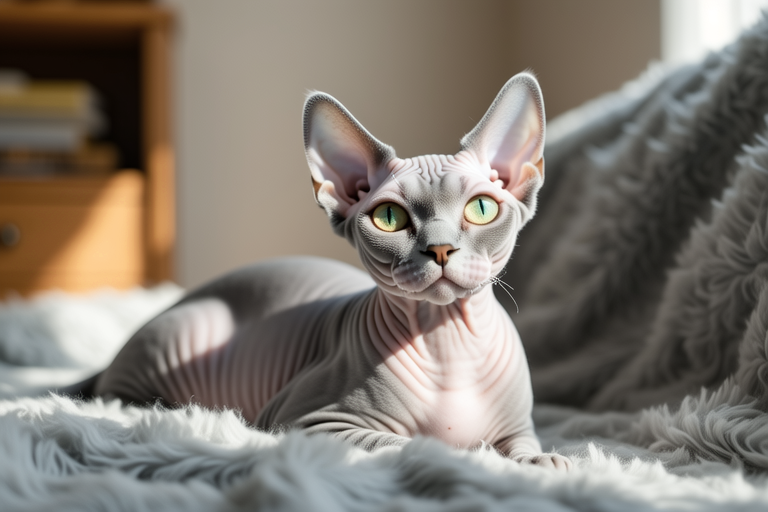
Devon Rex: The Ultimate Guide for New and Furry Friends
The Devon Rex is a breed of cat known for its unique appearance and playful nature. With a history dating back to the mid-20th century, this breed has captured the hearts of many cat enthusiasts. This guide provides an in-depth look at everything you need to know about Devon Rex cats, from their origin and history to their care requirements and compatibility with families and other pets.
Origin and History
The story of the Devon Rex begins in 1960 when Beryl Cox, a breeder in Buckfastleigh, Devon, England, discovered a curly-coated tomcat named Kirlee. Kirlee was the result of a spontaneous mutation that led to his distinctive wavy coat. Kirlee’s offspring were bred to produce more curly-coated kittens, and these early Devon Rexes were crossbred with American Shorthairs and Burmese cats to establish the breed’s foundation. The breed was officially recognized by The Governing Council of the Cat Fancy (GCCF) in 1971 and by the Cat Fanciers’ Association (CFA) in 1983.
Physical Characteristics
Devon Rex cats are known for their striking appearance, which includes large ears, large eyes, and a slender body. Their most notable feature is their short, curly coat, which can vary in texture and length. Some Devon Rexes have a suede-like coat, while others have a crinkly or bumpy texture. Their coat is also known for being hypoallergenic, making them a good choice for people with allergies.
Temperament and Personality Traits
Devon Rexes are often described as mischievous, curious, and playful. They are known for their high energy levels and love of interactive play. They are also highly intelligent and can be trained to perform tricks or respond to commands. Many Devon Rexes enjoy climbing and jumping, and they are often found perched on high surfaces in their homes. Despite their playful nature, Devon Rexes are affectionate and loyal companions who enjoy spending time with their human families.
Care Requirements
Grooming
While Devon Rexes have a short, curly coat, they still require regular grooming to maintain their coat’s health and appearance. Brushing your Devon Rex once or twice a week with a soft-bristled brush can help remove loose hair and prevent matting. Bathing your cat may also be necessary if they get particularly dirty or if they have skin issues. However, it is important to avoid over-bathing, as this can strip their skin of natural oils and lead to dryness or irritation.
Diet
Like all cats, Devon Rexes require a balanced diet that meets their nutritional needs. A high-quality commercial cat food that is appropriate for your cat’s age, weight, and activity level is usually sufficient. It is important to avoid feeding your cat too much, as obesity can lead to health problems. Providing fresh water at all times is also essential for your cat’s overall health.
Exercise Needs
Devon Rexes are highly active and require plenty of opportunities for exercise and play. Interactive toys, such as laser pointers, feather wands, and puzzle feeders, can help keep your cat entertained and engaged. Providing climbing structures, such as cat trees or shelves, can also help satisfy their desire to climb and explore. Regular playtime is important for maintaining your cat’s physical and mental well-being.
Common Health Issues
Devon Rexes are generally healthy cats, but they are prone to certain genetic conditions. One of the most common health issues affecting Devon Rexes is patellar luxation, a condition in which the kneecap dislocates from its normal position. Other health issues that can affect Devon Rexes include hypertrophic cardiomyopathy, a heart condition, and Devon Rex myopathy, a muscle disorder. Regular veterinary check-ups and genetic testing can help identify and manage these conditions.
Compatibility with Families and Other Pets
Devon Rexes are social and affectionate cats that enjoy interacting with their human families. They are often good with children and can be a great addition to households with young children. However, it is important to supervise interactions between children and pets to ensure the safety of both. Devon Rexes are also generally good with other pets, including dogs and other cats, but introductions should always be done gradually and under supervision.
Training Tips
Devon Rexes are highly intelligent and can be trained to perform tricks or respond to commands. Positive reinforcement techniques, such as clicker training or treats, are effective ways to train your cat. Training sessions should be kept short and fun to avoid overwhelming your cat. Consistency is key when training your cat, and it is important to reward good behavior and ignore unwanted behavior.
Advice for New Owners
If you are considering adopting a Devon Rex, there are several things you can do to create a welcoming environment for your new furry friend. Providing a safe and comfortable space for your cat is important, especially during the initial adjustment period. Offering scratching posts, litter boxes, and cozy resting spots can help your cat feel at home. It is also important to give your cat time to adjust to their new surroundings and to allow them to explore their new environment at their own pace.
Real-life anecdote: Sarah, a new Devon Rex owner, shares her experience. “When I first brought my Devon Rex home, he was very shy and hesitant to come out of his carrier. I gave him some time to adjust and provided him with a cozy bed and a scratching post. After a few days, he started exploring his new home and became more confident. Now, he is a playful and affectionate companion who enjoys cuddling and playing with me.”
Expert Opinion
Dr. Jane Smith, a veterinarian and cat behavior specialist, offers her insights. “Devon Rexes are unique cats with a lot of energy and intelligence. They require plenty of stimulation and interaction to stay happy and healthy. Providing them with a stimulating environment and regular playtime is essential for their well-being. Additionally, it is important to be aware of the potential health issues that can affect Devon Rexes and to work closely with your veterinarian to manage any health concerns.”
In conclusion, Devon Rex cats are a delightful and charming breed that can make wonderful companions for the right family. With their unique appearance, playful nature, and affectionate personalities, Devon Rexes can bring joy and laughter to any household. By understanding their care requirements and providing a loving and supportive environment, you can ensure that your Devon Rex will thrive and bring years of happiness to your life.
