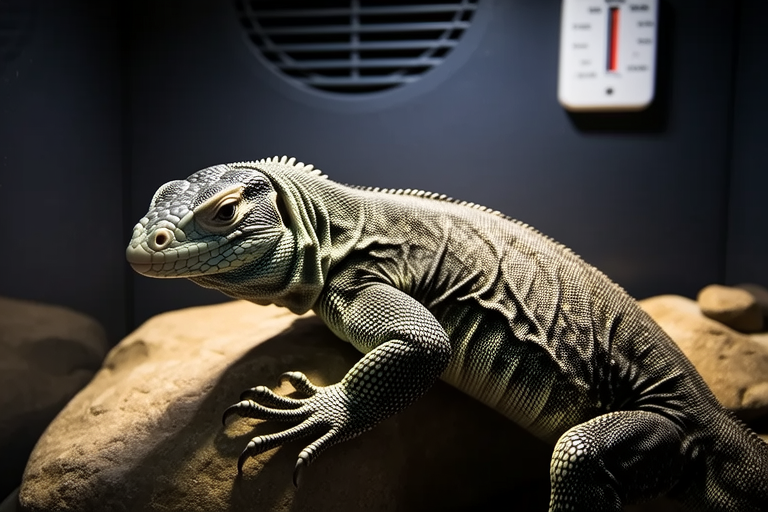
Why Experts Are Warning About Water Monitors – The Hidden Challenges of Ownership
Once confined to remote rainforests and riverbanks across Southeast Asia, water monitors (Varanus salvator) have surged in popularity as exotic pets in recent years. Marketed online and in specialty pet stores under the allure of their striking appearance and “dramatic” presence, these reptiles are increasingly being sought after by amateur keepers drawn to their size, intelligence, and unique demeanor. However, a growing chorus of herpetologists, veterinarians, and conservationists is sounding the alarm: the reality of water monitor ownership is far more complex—and demanding—than the glossy images suggest.
While some enthusiasts celebrate them as fascinating companions, experts warn that the long-term commitment, specialized care requirements, and ethical implications of keeping these animals often go underestimated. With lifespans stretching beyond two decades and physical needs that rival those of large carnivores, water monitors are not suitable for casual pet ownership. This article examines the multifaceted challenges behind their appeal, from biological demands to environmental consequences, and offers evidence-based guidance for prospective owners and alternatives for those captivated by exotic reptiles.
The Biological Demands of a Water Monitor
Water monitors are among the largest lizard species in the world, capable of reaching lengths of over six feet and weighing upwards of 50 pounds. Their sheer size alone presents logistical hurdles rarely considered before purchase. A juvenile may appear manageable, but within a few years, it quickly outgrows standard enclosures and requires custom-built housing that can accommodate its full adult dimensions.
Beyond physical space, temperature regulation is critical. As ectotherms, water monitors rely entirely on external heat sources to regulate their body temperature. Optimal temperatures in their enclosure must range between 85°F and 95°F during the day, with a basking spot exceeding 100°F. Nighttime temperatures should not drop below 75°F. Failure to maintain precise thermal gradients can lead to digestive issues, weakened immune systems, and chronic stress—conditions that compromise health and shorten lifespan.
Humidity is another crucial factor. In the wild, water monitors inhabit tropical wetlands where humidity levels hover around 60% to 80%. Enclosures lacking proper misting systems or humidifiers risk causing dehydration, shedding difficulties, and respiratory infections. Many owners underestimate how frequently humidity must be monitored and adjusted, especially in dry indoor climates.
Dietary Complexity and Nutritional Requirements
One of the most overlooked aspects of water monitor care is their dietary complexity. Unlike simpler reptiles such as leopard geckos or corn snakes, water monitors are obligate carnivores with high protein needs and specific nutritional requirements. Their diet must include whole prey items—such as rats, chicks, fish, and occasionally frogs—to provide balanced calcium and phosphorus ratios essential for bone health.
Supplementing with calcium and vitamin D3 is non-negotiable. Without proper supplementation, water monitors are at high risk of developing metabolic bone disease (MBD), a painful condition that leads to fractures, deformities, and reduced mobility. Yet, many owners fail to administer supplements consistently or use incorrect dosages, leading to long-term health deterioration.
Moreover, feeding frequency changes dramatically with age. Juveniles require feeding every other day, while adults can be fed once every three to five days. Overfeeding remains a common mistake, contributing to obesity and liver disease. Experts emphasize that feeding schedules must be adjusted carefully and monitored closely—something few new owners anticipate.
Longevity and Emotional Commitment
Perhaps the most underestimated challenge is the water monitor’s extraordinary lifespan. In captivity, with optimal care, these animals can live 20 to 25 years—or even longer. This means that owning a water monitor is not a short-term hobby but a multi-decade responsibility that spans generations.
Dr. Elena Morales, a reptile veterinarian specializing in exotic species at the International Herpetological Society, warns: “People buy water monitors thinking they’re getting a ‘cool’ pet for a few years. But when you commit to an animal that lives longer than your car, your home, and potentially your own children, you’re signing up for a lifelong obligation.”
This longevity also raises concerns about future caretaking. What happens if the owner becomes ill, relocates, or passes away? Unlike smaller pets, water monitors cannot be easily rehomed through shelters or rescues due to their size, aggression potential, and lack of infrastructure for large reptiles. The result is often abandonment, which contributes to the growing number of invasive species in non-native environments.
Wild-Caught vs. Captive-Bred: Ethical and Ecological Implications
A significant proportion of water monitors sold in the pet trade are wild-caught specimens. While captive breeding programs exist, they remain limited due to the difficulty of replicating natural breeding conditions and the low success rate in early-stage development. As a result, thousands of monitors are removed annually from their native habitats across countries like India, Sri Lanka, Thailand, and Indonesia.
Wild capture disrupts ecosystems. Water monitors play vital roles in controlling rodent populations and scavenging carrion, helping maintain ecological balance. Removing large numbers of individuals can destabilize food webs and increase pest infestations in surrounding areas. Furthermore, the capture process is often brutal—monitors are trapped using nets or snares, sometimes injured or stressed during transport, and exposed to pathogens in crowded, unsanitary conditions.
“The trade in wild-caught water monitors is ethically indefensible,” says Dr. Rajiv Mehta, a conservation biologist with the Global Reptile Initiative. “These animals are not commodities. They are part of complex ecosystems, and removing them has ripple effects we’re only beginning to understand.”
Even captive-bred individuals face ethical concerns. Breeding facilities may prioritize quantity over animal welfare, leading to overcrowding, poor nutrition, and inadequate veterinary care. Prospective owners must verify the source of any monitor and avoid suppliers who do not provide documentation of origin or breeding practices.
Common Misconceptions About Care and Temperament
Despite warnings, several myths persist in online communities and social media circles. One prevalent misconception is that water monitors are “easy to care for” because they are “just big lizards.” This belief overlooks their cognitive sophistication and behavioral needs.
Water monitors are highly intelligent and curious animals. They exhibit problem-solving abilities, recognize their handlers, and can learn routines. When deprived of mental stimulation, they may become lethargic, aggressive, or engage in destructive behaviors such as chewing on cage materials or attempting to escape.
Another myth is that water monitors are naturally docile or “tameable.” In reality, they are powerful predators with strong jaws and sharp claws. Even well-socialized individuals can deliver serious bites if startled, mishandled, or provoked. Their size and strength make them inherently dangerous to small children, elderly individuals, and pets in the household.
Additionally, many assume that water monitors will “grow into” their environment or adapt to substandard living conditions. This is false. Poor husbandry leads to chronic stress, which suppresses immunity and increases susceptibility to infections. Behavioral signs—such as hiding excessively, refusing food, or repetitive pacing—are early indicators of distress that are often ignored until irreversible damage occurs.
Legal Restrictions and Regional Regulations
Due to the risks posed by their size, potential for injury, and ecological impact, water monitors are subject to strict regulations in many jurisdictions. In the United States, for example, federal laws under the Lacey Act and state-level legislation restrict or prohibit the importation, sale, and possession of certain reptile species, including water monitors, in states like California, Hawaii, and New York.
Other countries, including Australia and several European nations, ban the importation of water monitors outright. Even in regions where ownership is permitted, permits are typically required, and inspections may be conducted to ensure compliance with housing and safety standards.
Owners who violate these laws face fines, confiscation of their animal, and in some cases, criminal charges. The legal framework exists not just for public safety but also to prevent the introduction of invasive species. Escaped or released water monitors could establish feral populations, threatening native wildlife and ecosystems.
Guidelines for Responsible Ownership
For those deeply committed to understanding and caring for water monitors, responsible ownership begins with thorough preparation. Experts recommend the following steps:
- Educate Yourself Extensively: Before acquiring a monitor, study reputable sources such as peer-reviewed journals, professional herpetology associations, and accredited veterinary resources. Understand their physiology, behavior, and long-term needs.
- Secure Appropriate Housing: Invest in a custom enclosure that provides ample space—minimum dimensions of 8 feet long, 4 feet wide, and 6 feet tall for adults—with secure locking mechanisms, UVB lighting, heating elements, and a large water feature for soaking.
- Plan for Veterinary Care: Identify a qualified reptile veterinarian experienced with large varanids. Routine check-ups, fecal exams, and blood work are essential for monitoring health.
- Source Responsibly: Only acquire captive-bred individuals from reputable breeders who can provide documentation of lineage and health history. Avoid wild-caught specimens.
- Prepare for Long-Term Commitment: Consider your future—job changes, family growth, health issues—and have a contingency plan for care in case of emergency.
- Respect Legal Boundaries: Research local, state, and federal laws governing exotic pet ownership. Compliance is not optional; it protects both the animal and the community.
Alternatives for Enthusiasts Interested in Exotic Reptiles
For those captivated by the idea of exotic reptiles but deterred by the challenges of water monitors, numerous safer, more sustainable alternatives exist:
- Bearded Dragons (Pogona vitticeps): Known for their docile temperament, moderate size, and straightforward care requirements, bearded dragons are ideal for beginners.
- Green Anoles (Anolis carolinensis): Small, native lizards requiring minimal space and care, perfect for observation without long-term commitments.
- Crested Geckos (Correlophus ciliatus): Arboreal, gentle, and adaptable to smaller enclosures, crested geckos thrive on a simple diet of commercial gel and occasional fruit.
- Leopard Geckos (Eublepharis macularius): Low-maintenance, nocturnal, and easy to handle, they are excellent starter reptiles with shorter lifespans (10–15 years).
These species offer similar fascination—unique appearances, interesting behaviors, and educational value—without the extreme responsibilities of a water monitor. Moreover, they are legally available in most regions and widely supported by rescue organizations and vet networks.
Conclusion: A Call for Informed Decision-Making
The rising popularity of water monitors as exotic pets reflects a broader cultural fascination with rare and dramatic animals. Yet, this trend comes with significant risks—biological, ethical, and legal—that demand serious consideration. These reptiles are not merely decorative additions; they are sentient beings with complex needs that extend far beyond the initial purchase.
Experts agree: unless one is prepared for a lifetime of dedicated care, financial investment, and ethical responsibility, water monitors should not be kept as pets. The decision to own one should never be made impulsively or based on online trends. Instead, it should stem from deep research, personal readiness, and respect for the animal’s intrinsic value.
For those inspired by the majesty of reptiles, there are countless rewarding alternatives that align with both personal interests and ecological stewardship. By choosing responsibly, we can foster a culture of informed appreciation—one that honors nature without exploiting it.
