Rajah Cichlid Behavior Decoded: Understanding Your Pet’s Actions
The Rajah Cichlid, scientifically known as Aequidens rivulatus, is a vibrant addition to any aquarium, boasting striking colors and dynamic behaviors that captivate both novice and experienced aquarists. This article delves into the unique characteristics of Rajah Cichlids, explores their natural habitat and its influence on their behavior within a home aquarium, and decodes their common behaviors. We’ll also provide tips on maintaining a healthy environment and fostering a strong bond between you and your fish.
Unique Characteristics of Rajah Cichlids
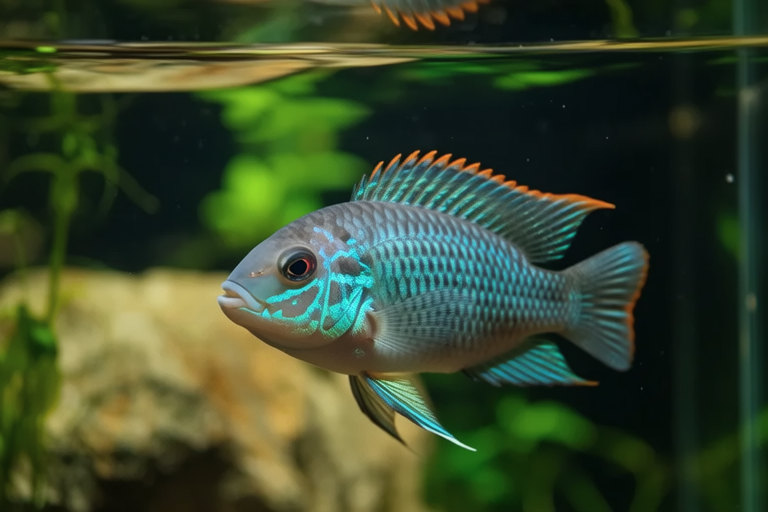
Rajah Cichlids are native to the rivers and streams of Guyana and Suriname, where they thrive in warm, acidic waters. These cichlids are known for their bright hues, ranging from electric blue to deep red, which are particularly pronounced during breeding periods. Their robust bodies and large fins make them a focal point in any aquarium, adding both visual appeal and a sense of dynamism. The males are often more colorful and larger than the females, making sex determination relatively straightforward once the fish reach maturity.
Natural Habitat and Its Influence on Behavior
In their natural habitat, Rajah Cichlids inhabit densely vegetated areas with plenty of hiding spots and open spaces for swimming. They are primarily found in slow-moving waters, where they can easily establish territories and find ample food sources. In a home aquarium, replicating these conditions is crucial for promoting healthy behavior. A tank with a sandy or fine gravel substrate, some driftwood, and live plants will help mimic their natural environment. Ensuring a temperature range of 75-82°F (24-28°C) and pH levels between 6.0 and 7.0 will further support their well-being.
Feeding Habits
Rajah Cichlids are omnivorous, meaning they consume both plant matter and small animals. In the wild, they feed on insects, crustaceans, and algae. In captivity, they can be fed a varied diet that includes high-quality pellets, flakes, and occasional live or frozen foods like brine shrimp or bloodworms. It’s essential to observe their feeding behavior closely; if they eat quickly and aggressively, it could indicate stress or competition for food. Conversely, if they show reluctance to eat, it may suggest illness or dissatisfaction with their environment. Providing enough food for all fish and ensuring that they have time to eat without competition can prevent stress-related issues.
Territorial Displays
One of the most noticeable behaviors of Rajah Cichlids is their territorial nature. Males, in particular, are highly protective of their chosen territory, which they defend against other males and even sometimes against females. During these displays, they may flare their fins, darken their coloration, and swim erratically around the perceived threat. While this behavior is normal and expected, it’s important to monitor it to ensure that it doesn’t escalate into aggression towards tank mates. Providing ample hiding spots and ensuring there is enough space for each fish to claim its territory can help mitigate aggressive tendencies.
Breeding Rituals
When Rajah Cichlids are ready to breed, their behavior becomes even more fascinating. Males will begin to display more vivid colors and engage in elaborate courtship dances to attract a mate. Once paired, the female will choose a suitable spot to lay her eggs, typically on a flat rock or a piece of slate. Both parents take turns guarding the eggs and fanning them with their fins to ensure oxygen circulation and prevent fungal growth. After hatching, the fry remain under parental care for several weeks, during which the adults are extremely protective. Observing these behaviors can be rewarding, but it’s important to ensure that the breeding pair has a separate breeding tank to avoid stress to other tank inhabitants.
Interpreting Different Actions
Understanding the various actions of Rajah Cichlids can help you better meet their needs and ensure their well-being. For instance, rapid swimming near the surface might indicate that the water parameters are off, while frequent scraping against rocks could signal parasites or poor water quality. Regular water changes, proper filtration, and monitoring of water parameters are key to maintaining a healthy environment. Additionally, observing their interactions with each other can provide insights into their social dynamics and overall health.
Maintaining a Healthy Environment
To promote positive behaviors in Rajah Cichlids, it’s crucial to maintain a clean and stable environment. Regular water changes, typically 10-20% weekly, help remove toxins and maintain optimal water conditions. A robust filtration system that provides both mechanical and biological filtration is necessary to keep the water clean and aerated. Proper lighting is also important, as it can influence their mood and activity levels. A 12-hour light cycle is generally recommended to simulate day and night cycles. Ensuring a balanced diet and providing enrichment through toys or additional hiding spots can also enhance their well-being.
Fostering a Strong Bond
Building a strong bond with your Rajah Cichlids involves understanding their needs and responding appropriately. Spend time observing them daily, noting any changes in behavior or appearance. By learning their preferences and responding to their cues, you can create a nurturing environment that encourages healthy interactions. Rewarding positive behaviors with treats or enriching experiences can also strengthen the connection. Remember, patience and consistency are key in fostering a strong bond with your aquatic pets.
In conclusion, Rajah Cichlids are fascinating creatures with rich behaviors that offer endless opportunities for observation and learning. By understanding their natural habitat, interpreting their actions, and providing a nurturing environment, you can ensure the well-being of your fish and enjoy a rewarding relationship. Whether you’re a new aquarist or an experienced hobbyist, delving into the world of Rajah Cichlids promises a journey filled with discovery and joy.
