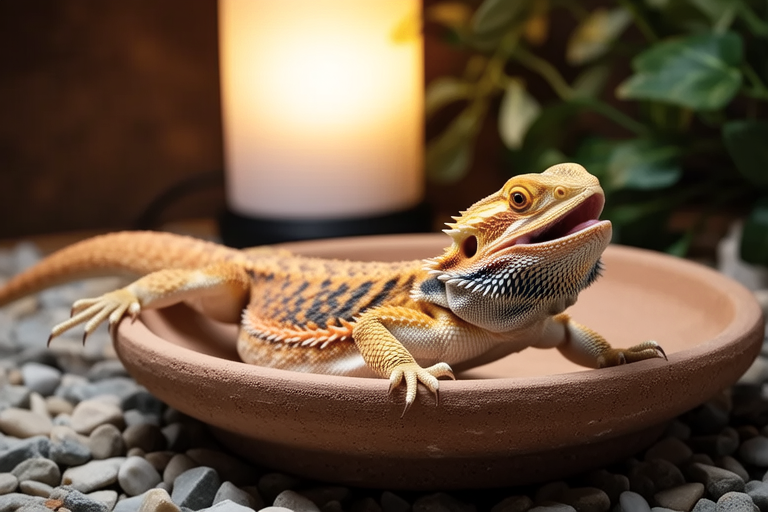
How to Make Your Bearded Dragon Happy: A Complete Guide for Owners
Welcome to the world of bearded dragon ownership! These charismatic reptiles are popular pets due to their unique appearance and relatively easy care requirements. However, to ensure your bearded dragon leads a happy and healthy life, it’s important to understand their specific needs. This guide will walk you through everything from setting up the perfect habitat to providing the right diet and handling tips.
Proper Habitat Setup
Your bearded dragon’s habitat is its home, so creating a comfortable and safe environment is crucial. Start by selecting an appropriate enclosure; for a single adult, a 40-gallon tank or larger is ideal. Ensure the enclosure has a secure lid with ventilation holes.
The substrate (floor covering) you choose can impact your dragon’s health. While some owners prefer loose substrates like reptile carpet or paper towels, avoid sand as it can cause impaction if ingested. Instead, opt for safer alternatives such as coconut fiber bedding or tile.
Temperature control is vital for your dragon’s well-being. Maintain a temperature gradient within the enclosure, with one end being warmer than the other. Use a heat lamp on one side to achieve this, aiming for a basking spot temperature between 95-110°F (35-43°C). The cooler side should remain around 75-85°F (24-29°C).
UVB lighting is also essential. It helps your dragon produce vitamin D3, which aids calcium absorption. Install a UVB bulb specifically designed for reptiles, and place it close enough to the basking area but far enough to prevent overheating. Replace the bulb every six months to ensure effectiveness.
In addition to heat and light, provide branches, rocks, and hides for climbing, hiding, and basking. These elements mimic their natural environment and encourage exercise and exploration.
Diet Specifics
A balanced diet is key to keeping your bearded dragon healthy and active. Their diet should consist primarily of insects and vegetables. Offer crickets, dubia roaches, and mealworms as protein sources. Dust these insects with calcium and multivitamin powders before feeding to ensure they receive necessary nutrients.
Vegetables should make up about 20% of their diet. Safe options include collard greens, mustard greens, squash, carrots, and bell peppers. Avoid feeding spinach, rhubarb, or iceberg lettuce, as they can be harmful.
Frequency of feeding depends on your dragon’s age. Juveniles need more frequent meals—up to three times daily—while adults can be fed once or twice daily. Always monitor your dragon’s weight and adjust feeding amounts accordingly to prevent obesity.
Hydration is another critical aspect of your dragon’s diet. Provide fresh water daily, either through a shallow dish or by misting the enclosure. Some dragons may drink directly from the water dish, while others prefer to lap up droplets after misting.
Handling Tips
Bearded dragons are generally docile and enjoy human interaction, but proper handling techniques are necessary to ensure both your safety and theirs. Always wash your hands before and after handling your pet to prevent the spread of bacteria.
Approach your dragon calmly and slowly. Let them become accustomed to your presence before attempting to pick them up. Gently scoop them up from below, supporting their body with both hands. Avoid grabbing them by the tail, as this can cause injury.
Regular handling sessions help build trust and reduce stress. Start with short, frequent interactions and gradually increase the duration as your dragon becomes more comfortable. Remember, every dragon is different, so pay attention to their behavior and adjust your handling approach accordingly.
Health Indicators
Monitoring your bearded dragon’s health is essential for early detection of any issues. Healthy dragons are alert, active, and have clear eyes and nostrils. Their skin should be smooth, and their coloration vibrant. They should eat regularly and defecate without difficulty.
Signs of illness include lethargy, loss of appetite, swollen joints, runny nose, or abnormal discharge from the eyes or mouth. If you notice any of these symptoms, consult a veterinarian specializing in reptiles immediately. Regular check-ups are also recommended to catch potential problems early.
Preventative care includes maintaining clean living conditions and providing a balanced diet. Clean the enclosure weekly, replacing substrate and disinfecting surfaces to minimize bacterial growth.
Environmental Enrichment
To keep your bearded dragon mentally stimulated and physically active, incorporate environmental enrichment into their routine. Provide various climbing structures, such as branches and rocks, and rearrange them periodically to keep the environment interesting.
Interactive toys, like balls or tunnels, can also engage your dragon’s curiosity. Rotate these items to maintain novelty and encourage exploration. Additionally, supervised playtime outside the enclosure allows for additional stimulation and exercise.
Social interaction is important for your dragon’s emotional well-being. Spend time with your dragon each day, offering gentle handling and positive reinforcement. This bonding helps build trust and reduces stress.
Importance of Regular Veterinary Care
Even with the best care at home, occasional visits to a veterinarian who specializes in reptiles are necessary. These professionals can provide expert advice, perform routine check-ups, and address any health concerns promptly.
During these visits, discuss your dragon’s diet, habitat setup, and overall behavior. Veterinarians can offer personalized recommendations based on your dragon’s individual needs. Regular check-ups also allow for early detection of potential health issues, ensuring timely treatment.
Conclusion
Caring for a bearded dragon requires commitment and attention to detail, but the rewards are immeasurable. By following the guidelines outlined in this guide, you’ll provide your dragon with a loving and nurturing environment that promotes happiness and longevity.
Remember, every bearded dragon is unique, so observe your pet closely and adapt your care routine as needed. With patience, dedication, and love, you’ll create a joyful and fulfilling life for your scaly companion.
