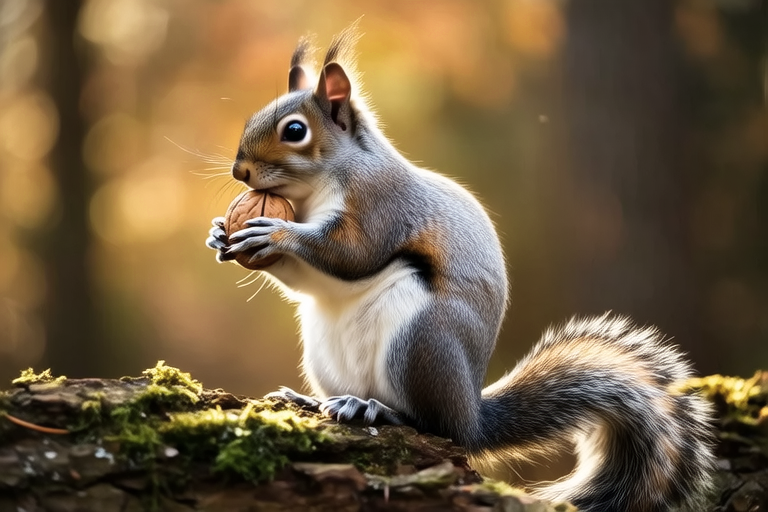
The Nutty Truth: Unraveling the Best Diets for Happy, Healthy Squirrels
Squirrels are one of nature’s most beloved creatures, known for their acrobatic skills and playful behavior. These small mammals have specific dietary needs that significantly impact their health and happiness. Understanding these needs can help both pet and wild squirrels thrive. This article delves into the intricacies of squirrel nutrition, exploring the best diets to ensure these critters lead long, healthy lives.
Dietary Needs of Squirrels
Wild squirrels are primarily herbivores, although they occasionally eat insects or bird eggs. Their diet is rich in nuts, seeds, fruits, and vegetables. Each of these components plays a crucial role in maintaining a squirrel’s health. Nuts, for instance, provide essential fats and proteins necessary for energy and muscle maintenance. Seeds offer a concentrated source of nutrients, including vitamins and minerals. Fruits and vegetables contribute carbohydrates and fiber, supporting digestive health.
Nutritional Value of Common Foods
Nuts: Almonds, walnuts, and hazelnuts are excellent choices for squirrels. They are packed with omega-3 fatty acids, which promote brain function and heart health. However, it’s important to note that while nuts are beneficial, they should be offered in moderation due to their high-fat content.
Seeds: Sunflower seeds are a favorite among squirrels. They are rich in vitamin E and essential amino acids, promoting skin and coat health. Pumpkin seeds, another popular choice, contain magnesium, which supports bone health and muscle function.
Fruits and Vegetables: Apples, bananas, and berries are nutritious treats for squirrels. They provide essential vitamins and antioxidants. Vegetables like carrots and broccoli offer additional fiber and minerals. However, fruits should be given sparingly due to their sugar content.
Common Misconceptions About Feeding Squirrels
One common misconception is that squirrels should be fed peanuts exclusively. While peanuts are a good source of protein, they lack certain essential nutrients that squirrels need. Another myth is that feeding bread or processed foods is acceptable. These items can cause health issues such as malnutrition and obesity. It’s crucial to provide a balanced diet rich in natural, unprocessed foods.
Preparing Homemade Food vs. Commercial Options
Making homemade squirrel food allows you to control the ingredients and ensure a balanced diet. For example, mixing sunflower seeds, almonds, and pumpkin seeds with a handful of fresh fruit and vegetables can create a nutritious meal. However, preparing homemade food requires careful attention to portion sizes and nutrient balance.
Commercial squirrel food is also available, often formulated to meet the nutritional needs of squirrels. When choosing commercial options, look for products with high-quality ingredients and minimal additives. Always check the expiration date and storage instructions to maintain freshness.
Seasonal Changes in Diet
Seasons play a significant role in a squirrel’s diet. During spring and summer, when fruits and vegetables are abundant, squirrels naturally consume more of these items. In contrast, during fall and winter, nuts and seeds become the primary focus as squirrels prepare for colder months. Providing a variety of foods throughout the year ensures squirrels receive all necessary nutrients.
Avoiding Harmful Foods
Certain foods are harmful to squirrels and should be avoided at all costs. Chocolate, caffeine, and alcohol are toxic to squirrels. Additionally, avoid feeding them salty snacks, sugary treats, and processed foods. Ensuring a varied, healthy diet is key to keeping squirrels happy and healthy.
Conclusion
Understanding and providing the right diet for squirrels is essential for their well-being. By offering a mix of nuts, seeds, fruits, and vegetables, you can ensure they receive the necessary nutrients. Avoiding harmful foods and adjusting the diet according to the seasons will further support their health. Whether you’re caring for a pet squirrel or feeding wild ones, a balanced diet is the foundation for a happy, healthy life. Remember, a little knowledge goes a long way in ensuring these delightful creatures live their best lives.
