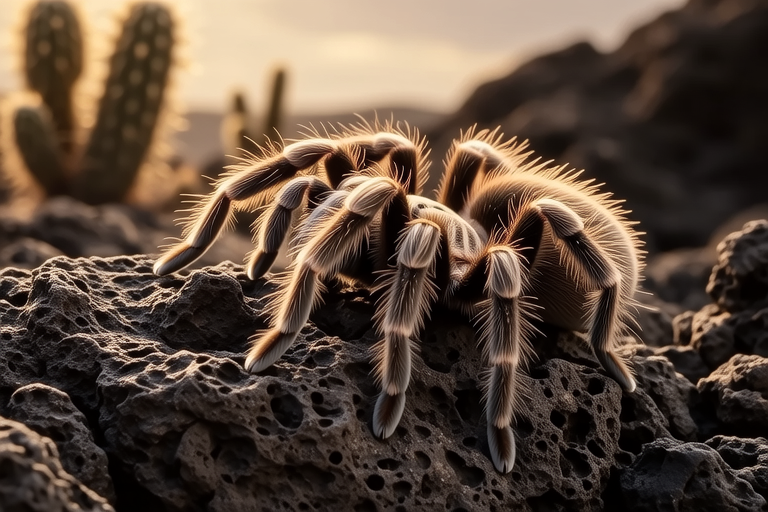
From Fear to Fascination: My Journey with the Chilean Rose Tarantula
For many people, tarantulas evoke a sense of dread and discomfort. Their size, appearance, and the myths surrounding them can make even the bravest of individuals feel uneasy. However, my journey with the Chilean Rose tarantula has been nothing short of transformative, turning my initial fear into fascination. This article delves into my experiences with this remarkable species, offering insights into its habitat, diet, and behavior, while sharing personal anecdotes that highlight the rewarding aspects of owning and understanding these unique creatures.
The Initial Encounter
My first encounter with a tarantula was anything but pleasant. I vividly remember the overwhelming sense of dread as I stumbled upon a large, hairy spider in my garden. The sight sent shivers down my spine, and I quickly retreated, convinced that all tarantulas were dangerous and terrifying. It wasn’t until years later, when I encountered the Chilean Rose tarantula at a local pet store, that my perspective began to shift. Curiosity got the better of me, and I decided to learn more about this particular species, hoping to understand why it seemed less intimidating than others.
Understanding the Chilean Rose Tarantula
The Chilean Rose tarantula (Grammostola rosea) is native to the dry, desert-like regions of Chile, Argentina, and Bolivia. They thrive in warm, arid climates, where temperatures range between 75°F and 85°F during the day and drop slightly at night. Their natural habitat includes rocky outcrops, burrows, and areas with sparse vegetation. Understanding their environment helps in providing them with a suitable living space, which is crucial for their well-being.
Diet-wise, these tarantulas are opportunistic feeders, primarily consuming insects like crickets, mealworms, and the occasional small mouse. In captivity, feeding them appropriately ensures they remain healthy and active. Unlike many other spiders, tarantulas don’t spin webs to catch prey; instead, they rely on their speed and agility to hunt. Their hunting behavior is fascinating, showcasing their predatory instincts and adaptability.
Handling and Bonding
One of the most significant challenges I faced when deciding to own a Chilean Rose tarantula was learning how to handle it safely. Initially, I was hesitant, fearing that any sudden movement could startle the spider, leading to unpredictable reactions. However, with patience and guidance from experienced handlers, I gradually learned the correct techniques. Handling a tarantula requires a steady hand and a calm demeanor, ensuring the spider feels secure.
Over time, I noticed subtle changes in my tarantula’s behavior, indicating a growing comfort level with me. One memorable moment occurred during a routine feeding session. Instead of retreating into its burrow as usual, the tarantula approached me cautiously, inspecting the cricket with curiosity rather than fear. That moment marked the beginning of a deeper bond, one built on mutual respect and understanding.
Challenges and Triumphs
Like any pet, owning a Chilean Rose tarantula comes with its share of challenges. Maintaining the right temperature and humidity levels is crucial for their health, requiring regular monitoring and adjustments. Additionally, cleaning their enclosure and providing fresh substrate can be time-consuming but necessary tasks. Despite these challenges, the rewards far outweigh the effort.
One of the most rewarding experiences came during breeding season. Witnessing the intricate mating dance and the subsequent egg sac creation was a humbling reminder of nature’s beauty and complexity. The female’s dedication to her offspring, carefully guarding the eggs and ensuring their safety, is a testament to the strength and resilience of these creatures.
Reflections and Encouragement
Reflecting on my journey with the Chilean Rose tarantula, I realize how much my perception has changed. What initially seemed like an impossible task—overcoming my fear of spiders—has become a source of joy and fascination. Owning and caring for this unique creature has taught me valuable lessons about patience, responsibility, and the importance of understanding different perspectives.
If you’re someone who harbors a fear of tarantulas, I encourage you to explore your curiosity and consider the possibility of learning more about these fascinating creatures. While they may not be for everyone, there’s something undeniably captivating about observing their behavior, understanding their needs, and forming a bond with them. By broadening our knowledge and challenging preconceived notions, we can foster a greater appreciation for the diversity of life around us.
In conclusion, my journey with the Chilean Rose tarantula has been a profound and enriching experience. From the initial fear to the eventual fascination, each step has contributed to a deeper understanding and admiration for these incredible creatures. Whether you’re an arachnophile or an arachnophobe, there’s always room to learn and grow, and perhaps even find a new friend along the way.
