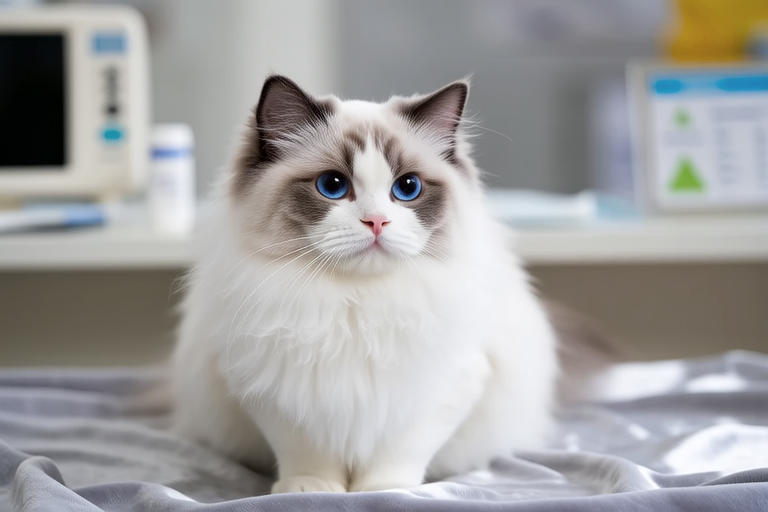
Unique Health Needs of Persian Cats
Persian cats are one of the most popular and beloved breeds of felines, known for their luxurious long coats, gentle demeanor, and distinctive facial features. However, these beautiful creatures come with unique health needs that require special attention from their owners. Understanding these needs is crucial for ensuring your Persian cat leads a long, healthy, and happy life.
Common Health Issues in Persian Cats
Respiratory Problems
Persian cats often suffer from respiratory issues due to their brachycephalic (flat-faced) anatomy. This structure makes it difficult for them to breathe properly, leading to conditions like upper respiratory infections (URIs). URIs are common in Persian cats and can be caused by viruses, bacteria, or fungi. Symptoms include sneezing, runny nose, coughing, and discharge from the eyes. If left untreated, URIs can lead to more severe complications, so regular veterinary check-ups are essential.
Dental Disease
Persians are also prone to dental problems, including periodontal disease, which occurs when plaque builds up on the teeth and hardens into tartar. This buildup can cause gum inflammation, tooth decay, and even tooth loss if not addressed promptly. To prevent dental disease, regular brushing and professional cleanings are recommended. Additionally, providing your Persian with chew toys and treats designed to promote oral hygiene can help maintain good dental health.
Skin Allergies
Allergies are another common issue among Persian cats. They may develop allergic reactions to various substances, such as pollen, dust mites, food ingredients, or even certain types of cat litter. Symptoms of skin allergies include excessive scratching, biting, licking, and redness or irritation of the skin. To manage allergies, it’s important to identify and eliminate the allergen from your cat’s environment. In some cases, your veterinarian might prescribe medication or recommend dietary changes to alleviate symptoms.
Eye Infections
Eye infections are particularly prevalent in Persian cats because their facial structure makes it easier for debris and bacteria to accumulate around the eyes. Common signs of an eye infection include redness, swelling, discharge, squinting, or pawing at the eyes. Keeping the area around your Persian’s eyes clean and dry can help prevent infections. Regular cleaning with a damp cloth and appropriate pet-safe solutions can be beneficial. Always consult your vet before using any products near your cat’s eyes.
Grooming Practices for Persian Cats
Due to their long, dense coats, Persian cats require frequent grooming to stay healthy and comfortable. Proper grooming not only helps maintain their appearance but also prevents matting, hairballs, and skin irritations. Here are some tips for effective grooming:
- Bathing: Bathe your Persian every few weeks using a mild shampoo specifically formulated for cats. Be sure to rinse thoroughly to avoid leaving soap residue behind.
- Brushing: Brush your cat daily or at least several times a week to remove loose hair and prevent mats. Use a slicker brush followed by a comb to ensure all areas are covered.
- Trimming: Trim excess fur between paw pads, around the face, and under the tail to keep these areas clean and free from debris.
- Ear Care: Clean your cat’s ears weekly with a cotton ball and gentle ear cleaner to prevent wax buildup and infections.
- Nail Trimming: Trim your Persian’s nails regularly to avoid overgrowth, which can cause discomfort and difficulty walking.
Proper grooming practices are vital for maintaining your Persian’s overall health and well-being. By keeping their coat and skin healthy, you reduce the risk of skin infections, hairballs, and other related issues.
Diet, Exercise, and Environmental Factors
Dietary Considerations
A balanced diet rich in nutrients is essential for your Persian cat’s health. High-quality commercial cat foods designed for indoor or senior cats can provide the necessary vitamins, minerals, and proteins. Avoid feeding your cat human food, especially those containing onions, garlic, chocolate, caffeine, or fatty meats, as they can be toxic. Consult your veterinarian about adding supplements like omega-3 fatty acids to support joint health and skin condition.
Exercise and Mental Stimulation
While Persians are generally less active than some other breeds, they still need regular exercise to stay fit and mentally stimulated. Provide interactive toys, scratching posts, and climbing structures to encourage play and exploration. Rotate toys frequently to keep your cat interested and engaged. Obesity is a significant concern for Persian cats, so monitor their weight and adjust feeding amounts accordingly.
Environmental Factors
Creating a safe and comfortable living space is crucial for your Persian cat’s well-being. Ensure that your home is free from hazardous chemicals, sharp objects, and small items that could be swallowed. Persian cats are sensitive to changes in temperature, so maintain a stable indoor climate with moderate humidity levels. Providing soft bedding, hiding spots, and elevated perches will make your cat feel secure and content.
Early Detection and Management of Health Issues
Regular veterinary check-ups are key to early detection and management of potential health problems in Persian cats. During these visits, your veterinarian will perform thorough examinations, take blood samples, and discuss any concerns you may have regarding your cat’s behavior or physical condition.
- Monitoring Weight: Keep track of your Persian’s weight and body condition score. Sudden weight gain or loss could indicate underlying health issues.
- Eye Exams: Pay close attention to your cat’s eyes for any signs of redness, discharge, or cloudiness. Schedule an appointment with your vet if you notice anything unusual.
- Dental Checks: Look inside your cat’s mouth periodically for signs of tartar buildup, swollen gums, or missing teeth. Professional dental cleanings should be performed annually.
- Skin Inspections: Check your Persian’s skin and coat for any lumps, bumps, or areas of irritation. Address any issues promptly to prevent further complications.
By staying proactive about your Persian cat’s health, you can catch potential problems early and provide timely treatment, ensuring a longer and healthier life for your furry friend.
