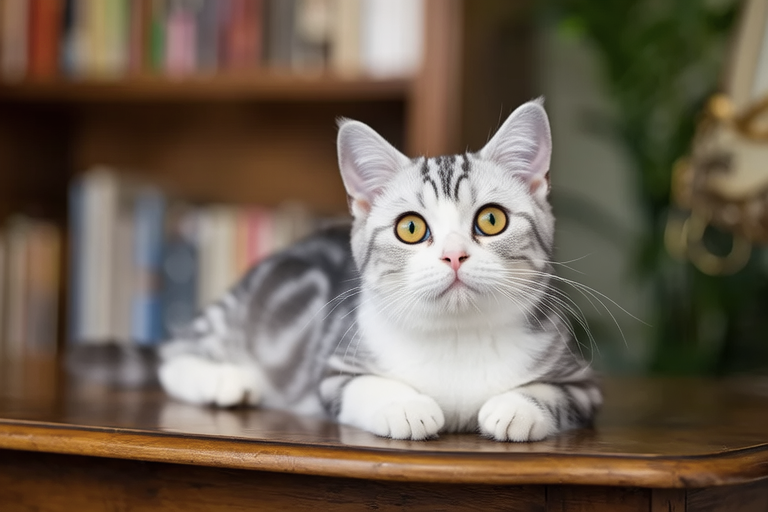
The Munchkin Cat: From Rare Origins to Popular Household Pet
The Munchkin cat is a relatively new breed that has captured the hearts of many cat lovers around the world. With its distinctive short legs, this breed has a fascinating history that spans from its rare origins to becoming a well-known and beloved companion. This article delves into the history, characteristics, and evolution of the Munchkin cat, exploring its genetic traits, common health concerns, and its adaptation as a popular household pet.
Origins and Early History
The Munchkin cat’s story begins in the early 1980s when Sandra Hochenedel discovered a small, stray cat with unusually short legs near her Louisiana home. She named the cat Blackberry, and it was through Blackberry that the Munchkin breed was born. Blackberry gave birth to several kittens, some of which inherited her unique leg structure. Hochenedel later gifted one of these kittens, Toulouse, to her friend Kay LaFrance. LaFrance became instrumental in developing the Munchkin breed by selectively breeding the cats and promoting them to the wider cat community.
Despite initial skepticism from the cat fancy community, the Munchkin gained recognition from The International Cat Association (TICA) in 1994. This marked a significant milestone in the breed’s journey, paving the way for further acceptance and popularity. The breed’s unique appearance and charming personality soon endeared it to cat enthusiasts worldwide.
Distinctive Appearance and Genetic Traits
The most striking feature of the Munchkin cat is its disproportionately short legs, which are the result of a naturally occurring genetic mutation. This mutation affects the long bone development, leading to a dwarfism-like condition known as achondroplasia. However, it is important to note that the Munchkin does not suffer from any debilitating conditions associated with true achondroplasia in humans.
While the short legs are the breed’s hallmark, Munchkins come in various coat patterns and colors, including solid, tabby, tortoiseshell, and bi-color. Their coats can be either shorthaired or semi-longhaired, adding to their diversity. Despite their short stature, Munchkins have sturdy bodies, large round eyes, and expressive faces that give them an endearing appearance.
Notable Munchkin Cats and Their Stories
One of the most famous Munchkin cats is Snow Weevil, who became an internet sensation with his adorable appearance and playful antics. His owner, Jen Johnson, documented his adventures on social media, sharing videos of Snow Weevil navigating obstacles and playing with toys. Another notable Munchkin is Lil BUB, a celebrity cat known for her unique appearance and cheerful demeanor. Her story highlights the breed’s ability to capture hearts and become beloved figures in the pet community.
Temperament and Care Requirements
Munchkin cats are known for their friendly and outgoing personalities. They are highly sociable, often seeking out human interaction and affection. Their playful nature makes them excellent companions for families and individuals alike. Munchkins are also known for their intelligence, often engaging in problem-solving activities and games. Their adaptability and gentle demeanor make them suitable for households with children and other pets.
Due to their short legs, Munchkins may require special attention to ensure they lead healthy and active lives. Regular exercise is essential to maintain their physical and mental well-being. Interactive play sessions, climbing structures, and scratching posts can help keep them entertained and fit. Additionally, providing a safe and comfortable environment is crucial, as their shorter legs may make it more challenging for them to reach high places.
Health Concerns and Adaptations
While the Munchkin cat is generally healthy, there are some specific health concerns associated with the breed. One of the most notable is lordosis, a curvature of the spine that can occur due to the breed’s unique skeletal structure. This condition can sometimes lead to difficulty breathing or eating, so regular veterinary check-ups are recommended to monitor spinal health. Another concern is pectus excavatum, a chest deformity that can affect the heart and lungs. Both conditions are relatively rare but should be monitored closely.
In addition to these health issues, Munchkins are prone to obesity if not provided with proper diet and exercise. It is essential to offer a balanced diet and engage them in regular physical activity to prevent weight-related problems. Grooming needs vary depending on the coat type. Shorthaired Munchkins require minimal grooming, while semi-longhaired cats may need more frequent brushing to prevent matting.
Adaptation as a Popular Household Pet
The Munchkin cat’s rise to fame can be attributed to its unique appearance, charming personality, and adaptability as a household pet. Despite their short legs, Munchkins are surprisingly agile and capable of performing many feline feats. Their playful nature and love for human interaction make them ideal companions for those seeking a close bond with their pets.
Munchkins have adapted well to various living environments, from apartments to spacious homes. Their adaptability and easygoing nature make them suitable for different lifestyles, whether you live in a bustling city or a quiet countryside setting. Many owners report that their Munchkins are content with a cozy spot by the window or a soft bed, where they can observe their surroundings and enjoy the company of their human family.
Conclusion
The Munchkin cat’s journey from a rare and controversial breed to a beloved household pet is a testament to its unique charm and appeal. Its distinctive short legs, combined with its friendly and playful temperament, have made it a favorite among cat enthusiasts worldwide. While there are some health concerns associated with the breed, proper care and attention can help ensure a long and happy life for these delightful creatures.
For those considering adopting a Munchkin cat, it is essential to research the breed thoroughly and consult with reputable breeders. By understanding the breed’s history, characteristics, and care requirements, potential owners can provide the best possible life for these extraordinary felines. Whether you’re drawn to their unique appearance or their loving nature, the Munchkin cat is sure to bring joy and companionship to your home.
