From Shell to Sole: The Unique World of Hermit Crabs
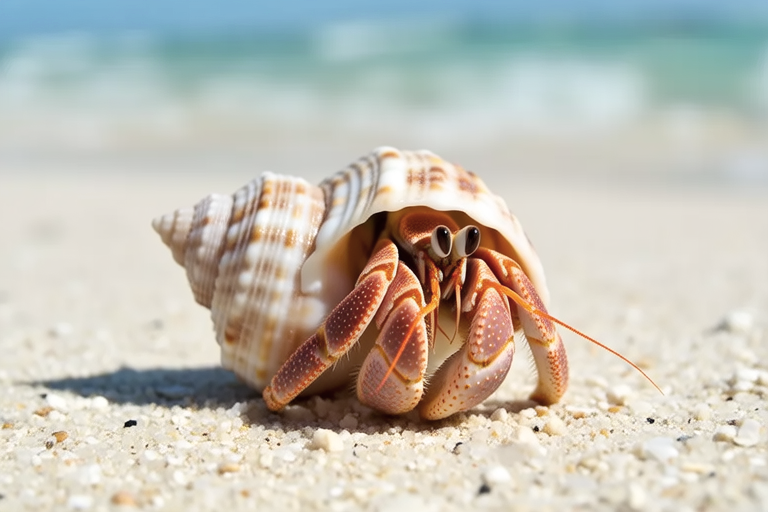
In the vast and diverse world of marine life, few creatures capture the imagination quite like hermit crabs. These fascinating crustaceans have evolved a unique lifestyle that sets them apart from their more familiar crab relatives. Their most notable trait is their reliance on scavenged shells for protection, a behavior that not only ensures their survival but also provides a window into their complex social and ecological roles.
The Intriguing Shell-Changing Behavior
Hermit crabs are born without shells, emerging from their eggs as tiny, soft-bodied larvae. As they grow, they seek out discarded mollusk shells to protect their vulnerable abdomens. This behavior is crucial because their soft undersides lack the hard exoskeleton that other crabs possess. When a hermit crab outgrows its current home, it embarks on a quest for a new, larger shell. This process, known as shell molting, is both a test of patience and a moment of vulnerability for the crab. They often carry their old shell until they find a suitable replacement, ensuring they remain protected throughout the transition.
Natural Habitats: From Tropical Beaches to Rocky Shores
Hermit crabs can be found in various environments across the globe, thriving in both tropical and temperate regions. They are particularly abundant along tropical beaches, where the abundance of shells makes it easier for them to find new homes. However, hermit crabs are not limited to sandy shores; they also inhabit rocky coastal areas, mangrove swamps, and even freshwater environments. Each habitat presents its own set of challenges and opportunities, shaping the crabs’ behavior and interactions within their ecosystems.
Social Behaviors and Dietary Habits
Contrary to popular belief, hermit crabs are not solitary creatures. They are highly social animals that live in large colonies, interacting with each other through a complex system of communication. These interactions include signaling for mates, defending territory, and even sharing food. Their diet consists primarily of algae, detritus, and small organisms, making them important members of their ecosystem. In the wild, they play a vital role in nutrient cycling, breaking down organic matter and contributing to the health of their habitats.
Unique Adaptations for Survival
Hermit crabs have developed several remarkable adaptations to ensure their survival in challenging environments. One of their most notable features is their ability to close off their shell entrance with a banded appendage called the “claw-like cheliped.” This adaptation helps prevent water loss and protects against predators. Additionally, their flexible abdomens allow them to fit snugly into various shell shapes and sizes, increasing their chances of finding a suitable home.
Challenges in the Wild and Captivity
Despite their adaptability, hermit crabs face numerous threats in both the wild and captivity. Habitat loss, pollution, and climate change are significant concerns for wild populations. Coastal development and rising sea levels can destroy their habitats, leaving fewer options for finding suitable shells. In captivity, hermit crabs often suffer from inadequate care, including poor nutrition and insufficient space. Ensuring they have access to a variety of shells and proper environmental conditions is crucial for their well-being.
Tips for Hermit Crab Owners
For those considering hermit crabs as pets, there are several important factors to consider. First and foremost, it’s essential to provide a spacious tank that mimics their natural environment, complete with sand, water, and plenty of shells. A varied diet of fresh vegetables, fruits, and protein-rich foods will keep your hermit crabs healthy and active. Regular maintenance of the tank, including cleaning and providing new shells, is necessary to prevent stress and disease. With proper care, hermit crabs can make delightful and rewarding companions.
Hermit crabs offer a unique glimpse into the intricate web of life that exists beneath the waves. By understanding and appreciating their behaviors, we can better protect these fascinating creatures and the ecosystems they call home. Whether you’re a marine enthusiast or simply curious about the world around you, hermit crabs provide a captivating story of survival, adaptation, and community.
