Tarantula Care: Myths vs Realities for First-Time Owners
As the popularity of exotic pets continues to grow, more people are considering tarantulas as companions. These fascinating arachnids have captured the hearts of many, but there are numerous misconceptions surrounding them. This article aims to debunk common myths and provide factual realities to help first-time owners understand and care for their tarantulas properly.
Debunking Common Myths About Tarantulas
Myth: Tarantulas Are Aggressive
One of the most pervasive myths about tarantulas is that they are aggressive and dangerous. While it’s true that tarantulas can bite if provoked or threatened, most species are actually quite docile. They prefer to avoid confrontation and will typically only resort to biting as a last resort. In fact, the venom of most tarantulas is no more harmful than a bee sting, causing mild irritation at worst.
Myth: Tarantulas Need to Eat Mice
Another common misconception is that tarantulas require large prey like mice. In reality, most tarantulas prefer smaller insects such as crickets, mealworms, and dubia roaches. The size of the prey should be proportional to the tarantula’s body size to prevent digestive issues. Feeding appropriately sized prey ensures the tarantula remains healthy and avoids overeating.
Factual Realities About Tarantula Care
Housing
Creating a suitable habitat is crucial for the well-being of your tarantula. A terrarium or tank with a secure lid is ideal. The enclosure should be spacious enough for the tarantula to move around comfortably. The substrate, or bedding, should be at least two to three inches deep and can consist of coconut fiber, peat moss, or soil. Provide hiding spots such as cork bark, half logs, or commercially available shelters. Proper ventilation is essential to maintain a healthy environment, so ensure the tank has adequate air flow without allowing drafts.
Feeding
Feeding a tarantula involves offering live insects once or twice a week. Gut loading the insects with nutritious foods like carrots, apples, or commercial insect diets can enhance the nutritional value of the prey. It’s important to monitor how much the tarantula eats and adjust feeding frequency accordingly. Overfeeding can lead to obesity and other health issues.
Handling
While tarantulas are generally safe to handle, it’s best to minimize direct contact. Handling can stress the tarantula and may cause it to shed its leg or abdomen, a process known as autotomy. If you must handle your tarantula, do so gently and support its entire body. Always wash your hands before and after handling to prevent the transfer of oils or chemicals that could harm the tarantula.
Health Care
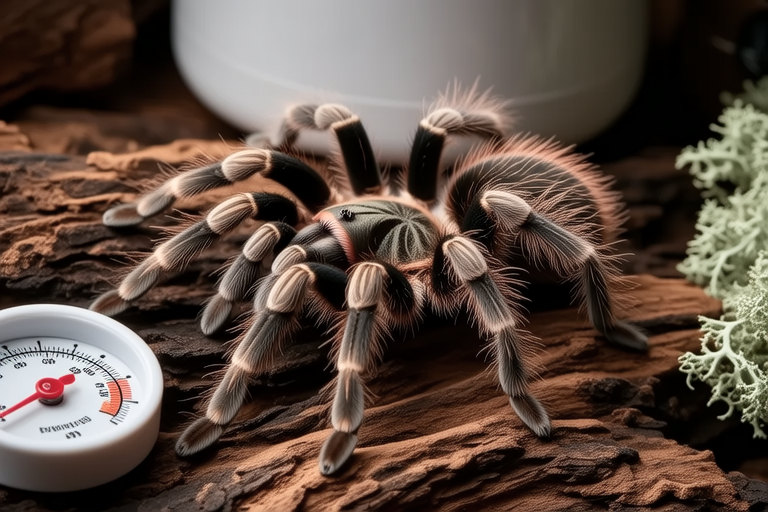
Maintaining good hygiene in the enclosure is vital for preventing illnesses. Regularly clean the substrate and remove uneaten prey to avoid bacterial growth. Monitor the humidity levels and temperature, which should be maintained between 75-85°F (24-29°C) and 60-80% humidity, respectively. Signs of poor health include lethargy, lack of appetite, and abnormal molting. If you notice any of these signs, consult a veterinarian who specializes in exotic animals.
Tips for First-Time Owners
Understanding Behavior
Observing your tarantula’s behavior can provide valuable insights into its health and happiness. Tarantulas are nocturnal, so they are most active during the night. During the day, they may remain hidden in their burrows or under their shelters. Pay attention to their activity levels and eating habits. A healthy tarantula will be alert and show interest in food when offered.
Creating a Suitable Environment
To create a suitable environment, start by researching the specific needs of the tarantula species you plan to keep. Different species have different requirements for temperature, humidity, and substrate. Once you have gathered this information, set up the enclosure and acclimate the tarantula gradually to its new home. Avoid sudden changes in temperature or lighting, as these can stress the tarantula.
Advice for New Owners
When you’re ready to bring your new tarantula home, consider joining online forums or local groups dedicated to exotic pet care. These communities can provide invaluable support and advice from experienced owners. Additionally, seek out reputable sources of information, such as books, articles, and videos from trusted experts. Always remember that responsible ownership involves ongoing education and commitment to the well-being of your pet.
By dispelling myths and providing accurate information, we hope this guide has equipped you with the knowledge needed to become a confident and caring tarantula owner. With proper care and attention, your tarantula can thrive and bring joy to your home for years to come.
