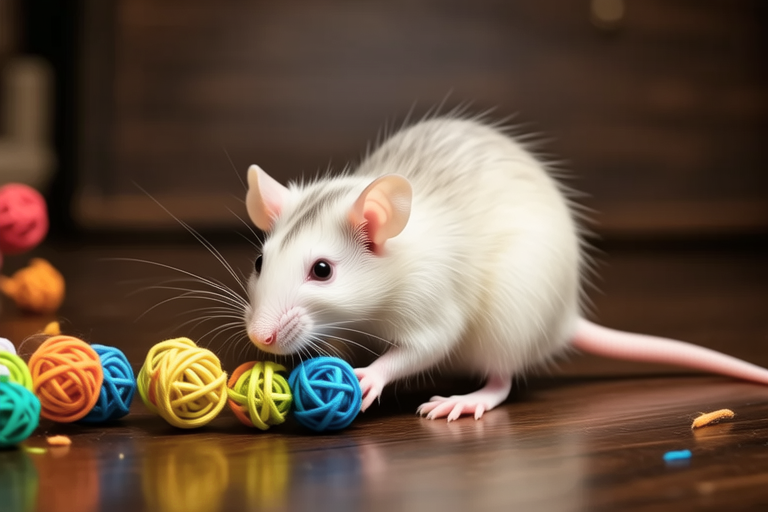
DIY Toys for Your Smart, Playful Fancy Rat: Easy Projects to Try
Fancy rats are intelligent, social creatures that thrive on mental stimulation and physical activity. These small animals are known for their playful nature and remarkable problem-solving skills. Providing your pet rat with a stimulating environment is essential for their well-being, helping them stay mentally sharp and physically healthy. Creating DIY toys can be a fun and rewarding way to engage with your rat while offering them new experiences. This guide will introduce you to several easy DIY projects using common household items, each designed to promote your rat’s natural behaviors and reduce boredom.
Why Mental Stimulation and Physical Activity Are Important for Fancy Rats
Rats are highly curious and active animals that need constant engagement to remain happy and healthy. Without adequate mental and physical stimulation, they can become bored, stressed, or even develop behavioral issues. Toys and activities that challenge your rat’s mind and encourage movement can prevent these problems and keep them engaged. Additionally, interacting with your rat through play strengthens your bond and enhances their quality of life.
DIY Toy Ideas for Your Smart, Playful Fancy Rat
1. Cardboard Tube Fort
Cardboard tubes from paper towels or toilet paper rolls make excellent building blocks for a DIY fort. These structures provide endless entertainment and exercise for your rat.
- Gather Materials: Collect several cardboard tubes, scissors, tape, and a large piece of cardboard.
- Cut Tubes: Trim the tubes to different lengths to create varied heights and sizes.
- Assemble the Fort: Use tape to connect the tubes into a maze-like structure. Attach the cardboard base to stabilize the fort.
- Enhance the Fort: Add small holes or tunnels within the fort for additional exploration opportunities.
This DIY fort encourages your rat to explore, climb, and navigate through the maze, promoting physical activity and cognitive engagement.
2. Puzzle Box
A puzzle box challenges your rat to use their problem-solving skills to retrieve treats hidden inside.
- Prepare the Box: Choose a small, sturdy container with a lid. Drill or cut a small hole in the lid.
- Insert Treats: Place a few treats inside the box.
- Create Obstacles: Use small objects like cotton balls or pieces of paper to block the opening. Ensure these items are lightweight and easy for your rat to move.
- Introduce the Puzzle: Allow your rat to investigate the box and discover how to access the treats.
The puzzle box stimulates your rat’s natural curiosity and promotes cognitive development. It also provides a sense of accomplishment when they successfully retrieve the treats.
3. Paper Ball Toss
Creating a simple game of paper ball toss can be a delightful and engaging activity for both you and your rat.
- Make the Balls: Crumple up pieces of paper into small, rat-sized balls.
- Play Area: Choose a safe area with minimal distractions.
- Toss the Balls: Gently toss the balls toward your rat, allowing them to chase and retrieve them.
- Encourage Interaction: Reward your rat with treats when they bring the balls back to you.
This game encourages physical activity and provides an opportunity for bonding between you and your rat. It also helps improve their motor skills and hand-eye coordination.
4. Tunnel System
A tunnel system made from PVC pipes allows your rat to explore enclosed spaces, mimicking their natural burrowing behavior.
- Collect Pipes: Gather PVC pipes of varying diameters and lengths.
- Connect Pipes: Use pipe connectors to join the pipes together, creating a network of tunnels.
- Secure the System: Anchor the tunnel system to a stable surface to prevent tipping.
- Add Entrances: Create multiple entry points by cutting small openings in the pipes.
The tunnel system provides a safe and enjoyable environment for your rat to explore, fostering physical activity and cognitive engagement. It also simulates their natural habitat, helping them feel more at home.
5. Ladder Challenge
A ladder made from popsicle sticks and glue offers a fun climbing challenge for your rat.
- Prepare Sticks: Cut popsicle sticks to uniform lengths.
- Glue the Sticks: Arrange the sticks in a ladder pattern and apply glue to secure them.
- Attach Rungs: Glue additional sticks horizontally to form rungs.
- Mount the Ladder: Attach the ladder to a wall or other stable surface.
The ladder challenge encourages physical activity and promotes balance and coordination. It also provides mental stimulation as your rat figures out how to climb the ladder.
6. Hide-and-Seek Game
Playing hide-and-seek with your rat can be a thrilling game that keeps them entertained and engaged.
- Choose Hiding Spots: Select safe, accessible areas within your rat’s enclosure where you can easily hide treats.
- Hide the Treats: Conceal treats in various hiding spots throughout the enclosure.
- Invite Exploration: Encourage your rat to search for the hidden treats.
- Reveal the Treats: Once your rat finds a treat, offer praise and encouragement.
This game stimulates your rat’s natural hunting instincts and promotes cognitive engagement. It also strengthens the bond between you and your rat as they learn to trust and rely on you for guidance.
7. Cardboard Box Maze
Transforming a cardboard box into a maze offers a unique and exciting challenge for your rat.
- Prepare the Box: Flatten a cardboard box and cut openings for entry and exit points.
- Construct the Maze: Fold the cardboard into walls and partitions, creating a labyrinthine path.
- Stabilize the Maze: Secure the maze to a flat surface to prevent it from collapsing.
- Enhance the Maze: Add small obstacles or tunnels within the maze for added complexity.
The cardboard box maze provides an engaging environment for your rat to explore, encouraging physical activity and cognitive engagement. It also simulates their natural habitat, helping them feel more at home.
The Benefits of DIY Toys for Rat Enrichment
DIY toys offer numerous benefits for your rat’s overall well-being. These toys help reduce boredom, prevent destructive behaviors, and promote natural behaviors such as exploring, climbing, and foraging. They also provide mental stimulation, which is crucial for maintaining cognitive health and preventing stress-related illnesses. By incorporating DIY toys into your rat’s daily routine, you can ensure they lead a fulfilling and enriching life.
Tips for Safe Toy Creation and Supervision
When creating DIY toys for your rat, it’s important to prioritize safety. Always use non-toxic materials that are safe for rats to chew and interact with. Avoid using materials that could cause choking hazards or toxic substances. Additionally, supervise your rat during playtime to ensure they are using the toys safely and appropriately. Regularly inspect the toys for wear and tear, replacing any damaged or unsafe items promptly. By following these guidelines, you can create a fun and enriching environment for your smart, playful fancy rat.
