Rajah Cichlid Myths Debunked: What Every Aquarist Needs to Know
The Rajah cichlid (Aequidens rivulatus) is a captivating species native to the Amazon River Basin. Known for its vibrant coloration and intriguing behavior, it has become a popular choice among aquarists seeking a challenge in freshwater aquariums. This article aims to dispel common myths surrounding the Rajah cichlid, providing essential knowledge for those interested in keeping this magnificent fish.
Introduction to the Rajah Cichlid
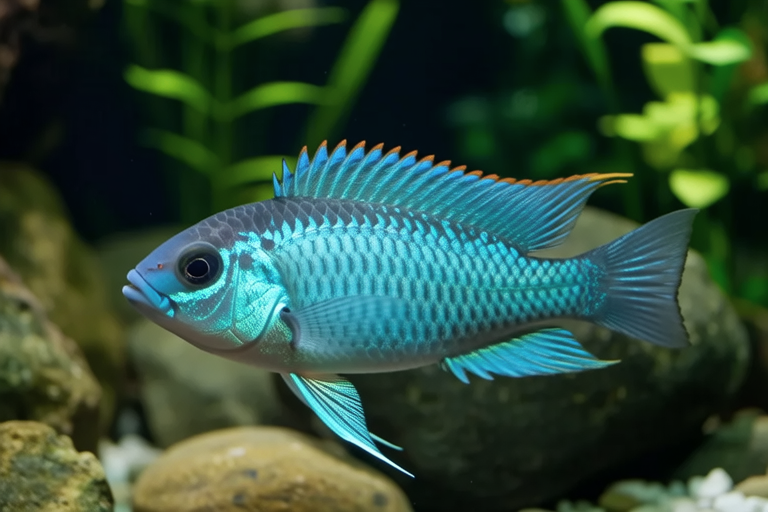
The Rajah cichlid is characterized by its striking appearance, featuring a blend of yellow, green, and blue hues that intensify during breeding periods. Its robust body structure and active swimming patterns make it an attractive addition to any aquarium. Despite its beauty, caring for this species requires careful consideration due to its specific environmental needs and complex social behaviors.
Common Myths About the Rajah Cichlid
Myth 1: The Rajah Cichlid Is Suitable for Beginners
Debunking: While the Rajah cichlid may appear appealing to novice aquarists, its maintenance demands advanced skills. These fish require spacious tanks with ample hiding spots and a stable water chemistry. Additionally, they exhibit territorial aggression towards other fish, necessitating a solitary environment or compatible tank mates.
Myth 2: Any Tank Size Will Suffice
Debunking: The myth that the Rajah cichlid can thrive in small tanks is misleading. Experts recommend a minimum tank size of 75 gallons (approximately 284 liters) to accommodate their adult size and provide sufficient space for swimming and establishing territories. Smaller tanks can lead to stress and health issues.
Myth 3: Feeding Any Food Is Acceptable
Debunking: Providing a varied diet is crucial for the Rajah cichlid’s health. While they may consume most commercial fish foods, a balanced diet rich in protein from sources like live or frozen brine shrimp, bloodworms, and high-quality pellets is ideal. Overfeeding or feeding inappropriate foods can result in obesity and nutritional deficiencies.
Tips for Maintaining Optimal Tank Conditions
To ensure the well-being of your Rajah cichlid, it’s important to maintain optimal tank conditions. Here are some key points:
- Water Parameters: Maintain a pH range between 6.0 and 7.0, with a temperature of 75-82°F (24-28°C). Regular water changes are essential to prevent ammonia and nitrite spikes.
- Substrate: Use fine sand or smooth gravel to avoid injuring the fish’s delicate barbels.
- Decorations: Incorporate driftwood, rocks, and plants to create hiding spots and define territories.
Diet Recommendations
The Rajah cichlid benefits from a diverse diet. Feed them a mix of high-protein foods such as:
- Live or frozen brine shrimp
- Bloodworms
- Fish pellets
Avoid overfeeding, as excess food can deteriorate water quality. Feeding once or twice daily is sufficient.
Behavioral Insights
Understanding the behavioral traits of the Rajah cichlid is vital for successful care. They are known for their territorial nature, especially during breeding seasons. Providing multiple hiding spots and territories can mitigate aggression. Breeding pairs often display courtship rituals involving color changes and fin displays. Observing these behaviors can enhance your enjoyment of the species.
Conclusion
Accurate knowledge about the Rajah cichlid is essential for ensuring their well-being in captivity. By debunking common myths and adhering to best practices in tank setup, diet, and behavioral management, aquarists can provide a healthy and stimulating environment for these remarkable fish. Embracing the responsibility of proper care not only enriches the lives of these animals but also enhances the overall experience of aquarium keeping.
