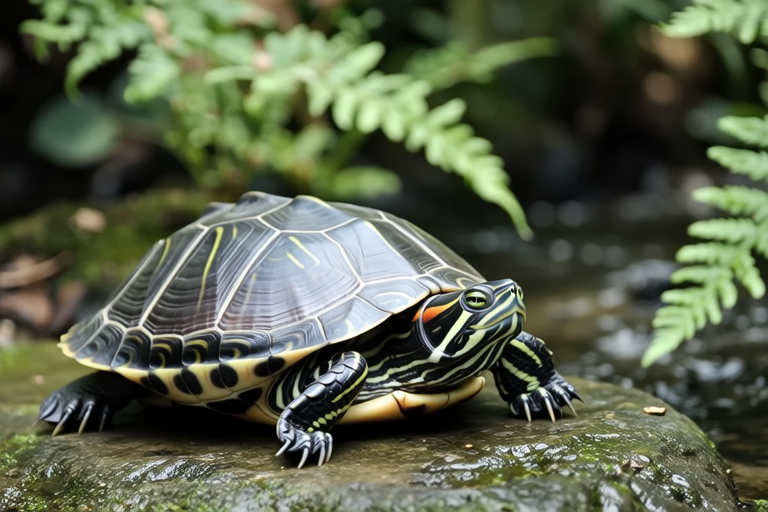
Adorable Three-Striped Box Turtle: A Perfect Pet for Nature Lovers
The three-striped box turtle (Terrapene carolina triunguis) is a charming reptile that captivates hearts with its distinct appearance and gentle demeanor. Known for its three yellow stripes running down its head, this turtle is a delightful addition to any nature lover’s home. This article delves into the unique characteristics of the three-striped box turtle, exploring its natural habitat, dietary needs, ideal living conditions, and the responsibilities of ownership. By the end, you’ll understand why these turtles make perfect pets for those who appreciate the beauty of nature.
Introduction: The Unique Appearance and Characteristics
The three-striped box turtle is easily recognizable by its striking three yellow stripes that run from its eyes down the sides of its head. These markings, along with its high-domed shell and dark brown or black coloration, create a distinctive look. Males are typically more colorful than females, with red markings on their heads and legs. Their plastron, or underbelly, is hinged, allowing them to close their shell tightly when threatened, providing excellent protection. They have strong limbs adapted for digging and climbing, and their claws are sharp, aiding in foraging and burrowing.
Natural Habitat
Native to parts of the United States, including Missouri, Arkansas, Oklahoma, Kansas, and Texas, the three-striped box turtle thrives in diverse environments. They prefer areas with dense vegetation, such as forests, meadows, and wetlands. These turtles are semi-aquatic, spending time both on land and in shallow water. In the wild, they can often be found near streams, ponds, and other water bodies where they can soak and cool off during hot days. Their ability to adapt to different habitats makes them resilient creatures, but it also highlights the importance of mimicking these conditions in captivity.
Dietary Needs
Three-striped box turtles are omnivores, meaning they eat both plant and animal matter. In the wild, their diet consists of insects, worms, fruits, berries, and leafy greens. As pets, their diet should closely mimic this natural fare. A balanced diet for a pet three-striped box turtle includes a mix of vegetables, fruits, and protein sources like mealworms, earthworms, and crickets. It’s essential to provide a variety of foods to ensure they receive all necessary nutrients. Additionally, calcium supplements should be offered regularly to prevent metabolic bone disease, a common health issue in captive turtles.
Ideal Living Conditions
Creating an ideal living environment for your three-striped box turtle is crucial for their well-being. A spacious enclosure is necessary, with a minimum size of 4 square feet per turtle. The enclosure should include a basking area, a water dish for soaking, and plenty of hiding spots and climbing structures. Substrate can consist of mulch, moss, or coconut fiber, ensuring it’s safe for digging and burrowing. Proper lighting is vital; UVB lighting simulates sunlight, promoting healthy vitamin D3 synthesis, which aids in calcium absorption. Maintaining the right temperature gradient within the enclosure—between 75°F and 85°F—is important, as turtles need a warm spot to bask and a cooler area to retreat to.
Responsibilities of Ownership
Healthcare
Owning a three-striped box turtle comes with significant responsibilities, particularly regarding their healthcare. Regular veterinary check-ups are essential, especially for young turtles, to monitor growth and detect any potential health issues early. Common ailments include respiratory infections, shell rot, and parasites. To prevent these problems, maintain a clean and hygienic environment, change water frequently, and avoid overcrowding. Quarantine new turtles for at least 60 days before introducing them to established colonies to minimize the risk of introducing diseases.
Handling
Handling your three-striped box turtle should be done carefully and infrequently. Turtles can become stressed if handled too much, which may lead to health problems. When handling, always support their body fully, avoiding lifting by their limbs or tail. Wash your hands thoroughly before and after handling to prevent the spread of bacteria. It’s also important to be gentle and calm, as sudden movements can startle them.
Environmental Enrichment
To keep your three-striped box turtle mentally stimulated and physically active, provide environmental enrichment. Offer various substrates for burrowing, rocks for climbing, and plants for hiding. Rotate toys and objects periodically to keep the environment interesting. Encourage natural behaviors by placing food in different locations within the enclosure, requiring them to forage. Providing a varied and stimulating environment not only benefits their physical health but also enhances their mental well-being.
Why Nature Lovers Would Find These Turtles Appealing
For nature lovers, the three-striped box turtle offers a unique connection to the outdoors, even when confined to an indoor enclosure. Watching them interact with their environment, whether basking in the warmth of a lamp or searching for food, brings a sense of tranquility and joy. Their slow, deliberate movements and curious nature make them fascinating subjects for observation. Additionally, caring for a three-striped box turtle provides an opportunity to learn about wildlife conservation and the importance of preserving natural habitats. By keeping these turtles as pets, individuals contribute to their survival and help raise awareness about the challenges faced by wildlife in the wild.
Moreover, the three-striped box turtle’s adaptability and resilience reflect the tenacity of nature itself. Their ability to thrive in diverse environments and their capacity to survive through various seasons inspire awe and respect. For those who love the outdoors, these turtles serve as a reminder of the interconnectedness of all living things and the delicate balance of ecosystems.
In conclusion, the three-striped box turtle is an adorable and rewarding pet for nature lovers. With their unique appearance, intriguing behaviors, and relatively low maintenance requirements, they offer a delightful companionship. However, it’s crucial to approach turtle ownership with responsibility and commitment. By providing proper care, attention, and a stimulating environment, you can ensure your three-striped box turtle lives a long and happy life. Embrace the opportunity to connect with nature through these captivating creatures, and you’ll find yourself enriched in ways you never imagined.
