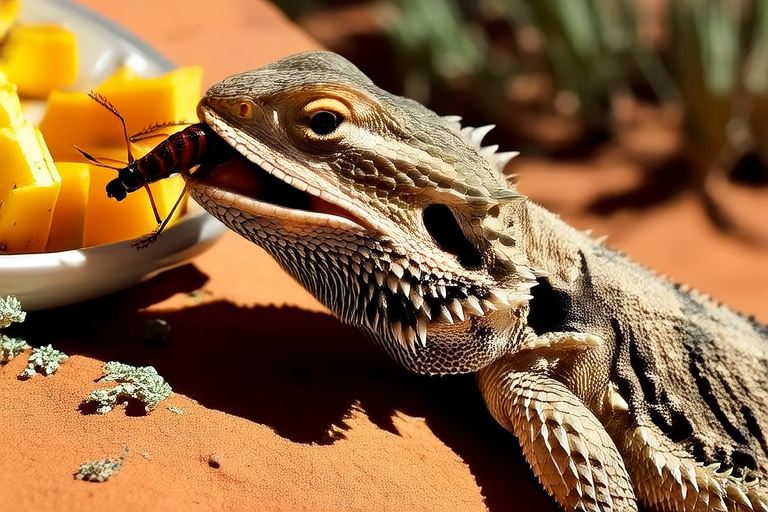
Bearded Dragon Diet Decoded: What You Need to Know About Feeding Your Pet
Welcome to the fascinating world of bearded dragon care! One of the most crucial aspects of keeping your scaly friend healthy and happy is understanding its dietary needs. A well-balanced diet is essential for the health and longevity of your bearded dragon. In this article, we will explore the key components of their diet, from insects to vegetables and occasional fruits, and provide you with feeding guidelines tailored to different life stages. We’ll also address common myths and offer evidence-based advice to ensure you’re giving your bearded dragon the best possible care.
The Importance of a Balanced Diet
A balanced diet is the cornerstone of your bearded dragon’s health. Just like humans, these reptiles need a variety of nutrients to thrive. Their diet should include proteins, fats, carbohydrates, vitamins, and minerals. Ensuring that your bearded dragon receives all necessary nutrients helps prevent nutritional deficiencies and related diseases, contributing to their overall well-being and lifespan.
Key Components of the Bearded Dragon Diet
Insects
Insects form a significant part of a bearded dragon’s diet, especially during their juvenile and sub-adult stages. Common feeder insects include crickets, dubia roaches, and mealworms. It’s important to choose the right size of insects; they should be no larger than the space between your bearded dragon’s eyes to avoid choking hazards. Juvenile bearded dragons require more frequent feedings with smaller insects, while adults can manage larger insects less frequently.
Vegetables
Vegetables are vital for providing essential vitamins and minerals. Dark leafy greens like collard greens, mustard greens, and dandelion greens are excellent choices. Other suitable vegetables include squash, carrots, and bell peppers. However, avoid feeding spinach and broccoli excessively, as they can interfere with calcium absorption. For younger dragons, finely chop the vegetables to make them easier to eat.
Fruits
Fruits should be offered sparingly, as they are high in sugar. Suitable fruits include strawberries, blueberries, and apples. Offer fruits as a treat rather than a regular part of their diet to prevent digestive issues and obesity.
Feeding Guidelines
Portion Sizes and Frequency
Juvenile bearded dragons need to be fed daily, with small portions of insects and vegetables. As they grow, reduce the frequency of insect feedings to every other day, supplemented with daily vegetable offerings. Adult bearded dragons generally require less frequent feedings, typically every two to three days, with a focus on vegetables and occasional insects.
Supplements
To ensure proper nutrition, dust insects with a calcium supplement without vitamin D3 once or twice a week, and a multivitamin once a week. Always follow the product instructions for dosage. Over-supplementation can lead to toxicity, so it’s crucial to maintain balance.
Preparing Food Safely
When preparing food for your bearded dragon, safety is paramount. Always buy feeder insects from reputable sources to minimize the risk of contamination. Gut-load insects with nutritious foods before feeding them to your dragon to enhance their nutritional value. Avoid feeding wild-caught insects, as they may carry parasites or toxins harmful to your pet.
Common Myths About Feeding Bearded Dragons
One common myth is that bearded dragons can survive solely on insects. While insects provide protein, they lack the necessary vitamins and minerals found in vegetables. Another misconception is that feeding bearded dragons exclusively with commercial pellets is sufficient. While pellets can be a convenient supplement, they should not replace a varied diet of live foods and fresh vegetables.
Evidence-Based Advice
Research supports the importance of a diverse diet for bearded dragons. Studies have shown that bearded dragons fed a varied diet of insects, vegetables, and occasional fruits have better overall health, stronger immune systems, and lower incidence of metabolic bone disease. Regular veterinary check-ups can help monitor your dragon’s health and adjust its diet as needed.
Resources for Further Learning and Community Support
To deepen your knowledge and connect with fellow reptile enthusiasts, consider joining online forums, attending local reptile expos, or enrolling in educational courses. Websites dedicated to reptile care often feature articles, videos, and expert advice. Remember, continuous learning is key to becoming the best caregiver for your bearded dragon.
By following the guidelines outlined in this article, you can ensure that your bearded dragon enjoys a healthy, balanced diet that supports its growth and longevity. With patience, dedication, and a little bit of research, you can provide your scaly companion with everything it needs to thrive.
