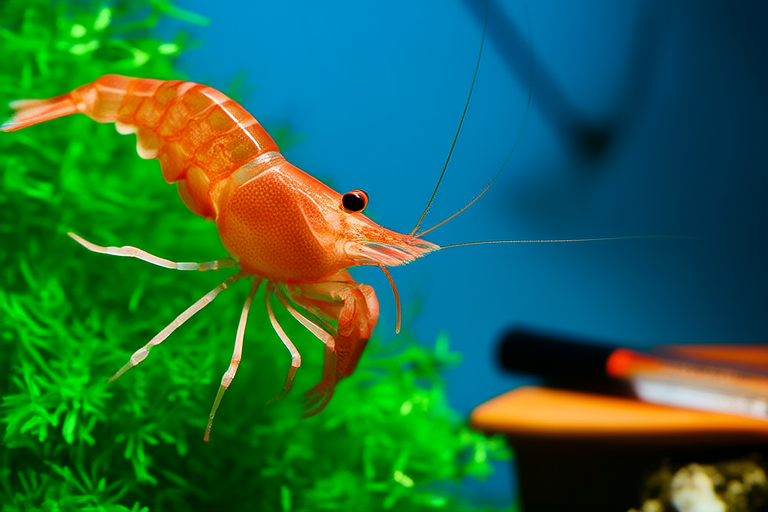
DIY Tips for Feeding and Maintaining Vibrant Coral Shrimp in Your Home Aquarium
Welcome to the vibrant world of coral shrimp! These fascinating creatures can add a splash of color and activity to your home aquarium. Whether you’re a seasoned aquarist or a beginner, this guide will provide you with essential tips on setting up the perfect habitat, maintaining suitable water parameters, and creating a nutritious diet for your coral shrimp. We’ll also explore natural and DIY solutions for enrichment and health, helping you troubleshoot common issues without relying on commercial products.
Setting Up the Perfect Habitat
The first step in ensuring the well-being of your coral shrimp is providing them with an ideal environment. Start by choosing a tank that’s at least 10 gallons in size, as these shrimps thrive in larger spaces. A mature, cycled tank is preferable, as it ensures stable water conditions.
- Substrate: Use a fine-grained substrate like aragonite or crushed coral to mimic their natural habitat. Avoid sharp substrates that could harm their delicate appendages.
- Hiding Places: Provide plenty of hiding spots with rocks, caves, and driftwood. These shelters are crucial for stress relief and molting.
- Plants and Decorations: Incorporate live plants and decorations that offer cover and stimulation. Anemones, soft corals, and macroalgae can be beneficial.
Suitable Water Parameters
Maintaining optimal water conditions is vital for the health of your coral shrimp. Here are some key parameters to monitor:
- pH: Keep the pH level between 7.8 and 8.4. You can achieve this naturally by adding crushed coral or dolomite chips to the substrate.
- Salinity: Aim for a specific gravity of 1.023 to 1.025. Adjust salinity using marine salt mix and a hydrometer.
- Temperature: Maintain a temperature range of 72°F to 78°F (22°C to 26°C). Use a reliable heater and thermometer to keep the temperature stable.
- Ammonia and Nitrite: Ensure zero ammonia and nitrite levels. Perform regular water changes and establish a robust biological filter.
- Nitrate: Keep nitrate levels below 20 ppm. Regular water changes are essential for controlling nitrates.
Diet Specifics
Coral shrimp are omnivorous scavengers, feeding on algae, detritus, and small organisms. They require a balanced diet to stay healthy and colorful. Here’s how to create a nutritious meal plan:
- Algae-Based Foods: Offer nori sheets or spirulina flakes. Soak nori sheets in tank water and cut into small pieces for easy consumption.
- Frozen Foods: Feed them frozen brine shrimp, mysis shrimp, and bloodworms. Thaw the food in tank water before offering it to your shrimp.
- Vegetables: Introduce blanched vegetables like zucchini, spinach, and peas. Cut the vegetables into tiny pieces and offer them sparingly.
- Detritus: Encourage natural detritus by adding a small amount of fish food to the tank. This provides a source of nutrients for the shrimp.
Feeding Schedules
Establishing a consistent feeding schedule helps maintain the health and vitality of your coral shrimp. Here are some guidelines:
- Frequency: Feed your shrimp once or twice daily. Offer small portions to prevent overfeeding and waste accumulation.
- Portion Control: Provide only what they can consume within a few minutes. Uneaten food should be removed to prevent water quality issues.
- Variety: Rotate their diet regularly to ensure they receive a wide range of nutrients.
Maintenance Routines
Regular maintenance is crucial for keeping your coral shrimp happy and healthy. Follow these routines to ensure their habitat remains pristine:
- Water Changes: Perform weekly water changes of about 10% to 20%. Use a gravel vacuum to clean the substrate and remove any debris.
- Filter Maintenance: Clean the mechanical and chemical media in your filtration system every two weeks. Replace carbon filters monthly.
- Algae Control: Monitor algae growth and remove excess algae manually or with a magnetic algae scraper.
- Monitoring: Regularly check water parameters and observe the behavior of your shrimp. Address any signs of stress or illness promptly.
Natural and DIY Solutions for Enrichment and Health
Enhance the health and enrichment of your coral shrimp using natural and DIY methods:
- Beneficial Bacteria: Create a thriving bacterial population by adding live rock or bio-media. This supports the nitrogen cycle and improves water quality.
- Shrimp Pods: Cultivate live copepods and amphipods in a separate container. Once established, introduce them to the main tank to provide a constant food source.
- Enrichment: Offer enrichment through natural behaviors like sifting through sand for food. Add small amounts of aquarium-safe wood or rocks for exploration.
- Herbivore Pea Pods: Grow pea pods in a separate container and feed them to your shrimp. This provides a nutrient-rich snack while promoting natural foraging behaviors.
Troubleshooting Common Issues
Despite your best efforts, you may encounter challenges. Here’s how to address common issues:
- Stress: Stress can manifest as lethargy, loss of color, or hiding excessively. Reduce stress by providing ample hiding places and maintaining stable water conditions.
- Parasites: Look for signs of external parasites like white spots or thread-like growths. Treat with aquarium-safe medications and improve water quality.
- Overcrowding: Ensure adequate space for each shrimp. Overcrowding can lead to aggression and stress. Consider adding more tanks if necessary.
- Water Quality: Poor water quality can cause health problems. Perform frequent water changes and monitor parameters closely.
Conclusion
By following these DIY tips, you can create a thriving environment for your coral shrimp, ensuring they remain vibrant and healthy. Remember to be patient and observant, adjusting your care routine as needed. With proper setup, feeding, and maintenance, your coral shrimp will become a delightful addition to your aquarium, bringing joy and beauty to your home.
