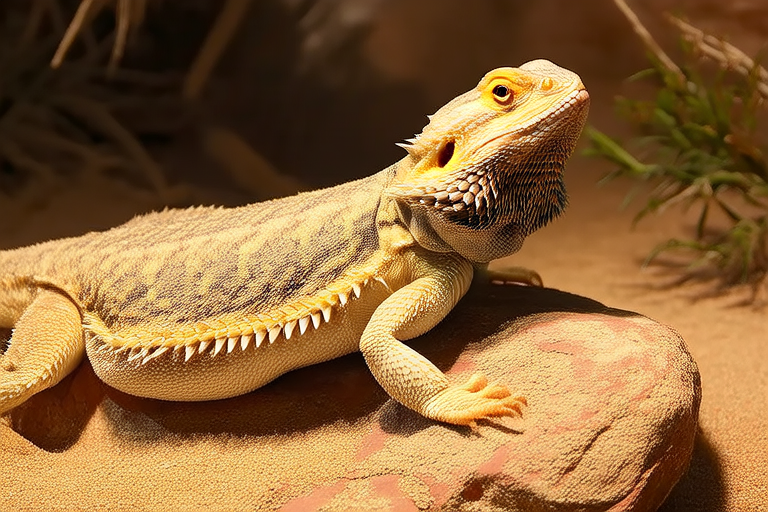
Bearded Dragons: The Complete Guide for First-Time Owners
Welcome to the world of bearded dragons! These charismatic reptiles are becoming increasingly popular pets due to their docile nature and relatively low-maintenance care requirements. As a first-time owner, you may find this guide invaluable in understanding what it takes to provide your bearded dragon with a healthy and happy life.
Choosing the Right Habitat Setup
The first step in owning a bearded dragon is setting up its home correctly. A glass tank or terrarium is recommended, ensuring that it’s large enough for your pet to move around comfortably. For a juvenile, a 20-gallon tank will suffice; however, adults require at least a 40-gallon tank. It’s important to have a secure lid, as these lizards are excellent climbers and might escape otherwise.
Inside the tank, include a variety of climbing branches, rocks, and hiding spots made from natural materials like cork bark or driftwood. This mimics their natural environment and provides mental stimulation. A shallow water dish for drinking and occasional soaking should also be included.
Temperature and Lighting Requirements
Temperature control is crucial for bearded dragons. They are ectothermic, meaning they rely on external sources for body heat. Therefore, creating a temperature gradient within the tank is essential. One end of the enclosure should be warmer (basking area) while the other cooler. The basking spot should reach between 95°F and 110°F during the day, whereas the cooler side can range from 75°F to 85°F.
To achieve this, use a combination of heat lamps and under-tank heating pads. Always monitor temperatures with thermometers placed at both ends of the tank. Additionally, UVB lighting is necessary for calcium absorption and overall health. A 10% UVB bulb positioned within 12 inches of where your dragon basks is ideal. Remember to replace the bulbs every six months as their effectiveness diminishes over time.
Dietary Needs
Bearded dragons are omnivorous, consuming both plant matter and insects. Their diet should consist of approximately 80% vegetables and fruits, and 20% protein (insects). Leafy greens such as collard greens, mustard greens, and dandelion greens make excellent choices. Avoid feeding iceberg lettuce, as it has little nutritional value. Fruits like berries and melons can be offered sparingly as treats.
In terms of protein, crickets and dubia roaches are common favorites. Dust the insects with calcium powder before feeding, especially if your dragon isn’t getting sufficient sunlight or UVB exposure. Younger dragons need more frequent feedings compared to adults, who eat less frequently but larger quantities.
Handling Tips
When handling your bearded dragon, always support its entire body gently. Start by letting them get used to your presence near their enclosure. Once comfortable, you can attempt gentle interactions. Be patient and avoid sudden movements that could startle them.
Never grab your bearded dragon by the tail, as it can break off easily. If this happens, the tail will regrow but won’t look the same as the original. Regular interaction helps build trust and makes handling easier over time. Always wash your hands before and after handling to prevent the spread of bacteria.
Common Health Issues
Despite being generally hardy animals, bearded dragons can face certain health problems. Metabolic bone disease (MBD), caused by insufficient calcium intake or lack of proper UVB light, is one serious issue. Symptoms include lethargy, weakness, and swollen limbs. Another common problem is impaction, which occurs when food particles block the digestive tract. Signs include constipation and loss of appetite.
Maintaining a balanced diet and correct environmental conditions can help prevent these issues. Regular veterinary check-ups are also advisable, especially for young dragons.
Regular Maintenance
Cleaning the enclosure regularly is vital for your dragon’s health. Spot clean daily to remove waste and uneaten food. Perform a thorough cleaning once a week, removing all decorations and disinfecting everything with a reptile-safe cleaner. Allow everything to dry completely before replacing items in the tank.
Monitor your dragon closely for any changes in behavior or appearance. Early detection of potential health issues allows for quicker intervention. Keeping detailed notes about feeding habits, shedding cycles, and any unusual behaviors can be helpful.
Resources for Further Learning
Becoming an expert in bearded dragon care takes time and effort. There are numerous books, magazines, and online forums dedicated to herpetology. Joining local reptile clubs or attending events can also provide valuable insights and connections with experienced owners.
Remember, each bearded dragon is unique. What works perfectly for one might not suit another. Stay informed, adapt as needed, and most importantly, enjoy the journey of caring for these fascinating creatures.
