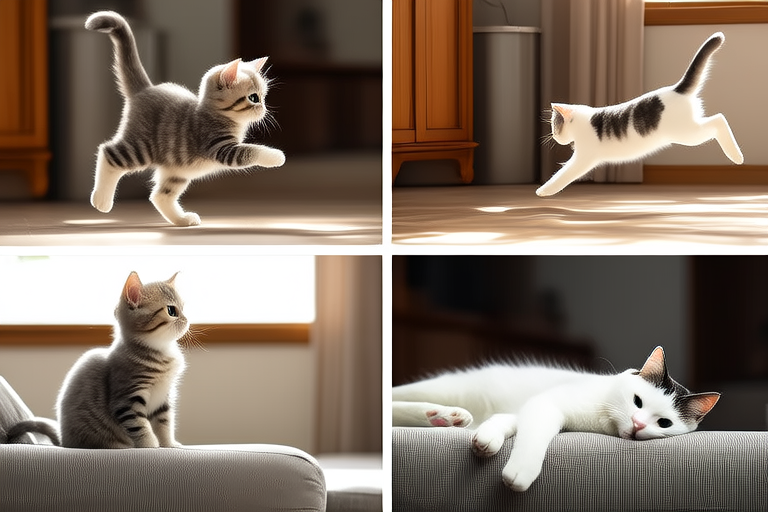
From Playful Pussycat to Couch Potato: Transformations in a Ragdoll’s Life
The journey from kittenhood to adulthood is a fascinating one, especially when it comes to the beloved Ragdoll breed. Known for their docile nature and affectionate demeanor, Ragdolls are a favorite among cat enthusiasts. This article delves into the behavioral and physical transformations Ragdolls undergo, providing insights into their temperament shifts and the reasons behind these changes. Additionally, we offer tips for owners to engage with their Ragdolls at various stages of life.
The Early Days: Kittenhood Full of Energy
Ragdoll kittens are bundles of energy, curiosity, and playful spirit. From the moment they open their eyes, around two weeks old, Ragdoll kittens exhibit a zest for exploration and interaction. Their small bodies are filled with endless energy, making them excellent companions for interactive games and activities. At this stage, their playful nature is a testament to their high metabolism, which requires frequent bursts of activity to burn off excess energy.
Kittens are also very social, often seeking out human interaction. They will follow you around the house, pouncing on toys, and climbing onto laps for cuddles. Their curiosity leads them to investigate every corner of their environment, from under furniture to high shelves. This period is crucial for establishing trust and bonding with their owners, setting the foundation for a lifelong relationship.
Physically, Ragdoll kittens are tiny, with soft, fluffy fur that feels like silk. Their blue eyes are striking, adding to their charm. As they grow, their bodies fill out, and their distinctive coloring becomes more pronounced. Ragdoll kittens typically weigh between 8 to 12 ounces at birth, reaching around 4 pounds by the time they are 6 months old.
Growth and Development: Adolescence and the Transition to Adulthood
As Ragdolls enter adolescence, usually between 6 to 12 months of age, their physical growth slows down. Their playful tendencies may start to wane as they become more aware of their surroundings and develop a sense of independence. During this phase, Ragdolls begin to show signs of the serene and relaxed demeanor that characterizes the adult breed.
Behaviorally, adolescent Ragdolls may become less dependent on constant human interaction, preferring to explore their environment on their own terms. They might spend more time observing their surroundings, learning about their space and understanding their place within the family unit. This shift in behavior can sometimes be mistaken for aloofness, but it is actually a natural part of their development.
Physically, Ragdolls continue to grow and develop their muscular structure. By the time they reach adulthood, Ragdolls can weigh anywhere from 10 to 20 pounds, with males generally being larger than females. Their coats become thicker and longer, requiring regular grooming to maintain their luxurious appearance. The hallmark of the Ragdoll is their semi-longhair coat, which is soft and silky to the touch.
Adult Life: The Serene Lounger
Once Ragdolls reach adulthood, typically around 18 months to 2 years of age, they settle into their roles as serene loungers. Their playful nature gives way to a more relaxed demeanor, and they often prefer quiet, comfortable spaces where they can rest and observe their surroundings. This transformation is partly due to their maturing physiology, including a slower metabolism and increased muscle mass, which makes them less inclined to engage in prolonged periods of play.
Scientifically, the change in behavior can be attributed to the development of the brain and nervous system. As cats mature, their brains become more efficient at processing information, leading to a decrease in hyperactivity and an increase in calmness. This shift in temperament is also influenced by the hormone levels in their bodies, particularly cortisol, which plays a role in stress regulation.
Temperament-wise, adult Ragdolls are known for their gentle and affectionate nature. They enjoy being around people and often seek out attention, whether through purring, head-butting, or simply sitting nearby. Their laid-back attitude makes them ideal companions for those who appreciate a calm and peaceful household. However, they still retain a playful side and can be enticed into short bursts of activity with the right stimuli.
Reasons Behind the Transformation
The transformation from an active playmate to a serene lounger is a natural part of a Ragdoll’s life cycle. Several factors contribute to this change:
- Maturation of the Nervous System: As Ragdolls grow, their nervous systems develop, leading to more efficient processing of sensory input. This results in a calmer demeanor and reduced hyperactivity.
- Increased Muscle Mass: Adult Ragdolls have more muscle mass, which makes them less inclined to engage in extended periods of physical activity. Their energy expenditure is lower, leading to a more sedentary lifestyle.
- Hormonal Changes: Hormone levels, particularly cortisol, influence stress levels and behavior. As Ragdolls mature, their hormonal balance stabilizes, contributing to a more relaxed state.
- Environmental Factors: The environment in which a Ragdoll grows up can also impact its behavior. A stable, predictable home with consistent routines fosters a calm and contented cat.
Tips for Engaging with Different Life Stage Ragdolls
Owners of Ragdolls can help their cats thrive at each stage of life by providing appropriate stimulation and care. Here are some tips:
For Kitten Owners:
- Provide plenty of toys and opportunities for play to channel their boundless energy.
- Establish a routine early on, including feeding times, play sessions, and bedtime rituals.
- Encourage socialization with other pets and people to build confidence and reduce anxiety.
For Adolescent Owners:
- Continue to provide mental and physical stimulation, but be mindful of your cat’s changing preferences.
- Introduce puzzle toys and interactive games that challenge their problem-solving skills.
- Allow them space to explore and establish their independence while maintaining a supportive presence.
For Adult Owners:
- Create cozy, comfortable spaces where your Ragdoll can relax and observe.
- Engage in gentle play sessions, such as tossing soft toys or playing with a feather wand.
- Ensure they have access to vertical spaces, like cat trees or window perches, to satisfy their need for height.
Conclusion
The journey from playful kitten to serene adult is a beautiful transformation that reflects the unique qualities of the Ragdoll breed. Understanding the behavioral and physical changes that occur throughout their lives allows owners to provide the best possible care and companionship. By recognizing the reasons behind these transformations and offering appropriate engagement strategies, owners can ensure their Ragdolls lead happy, healthy lives filled with love and comfort.
