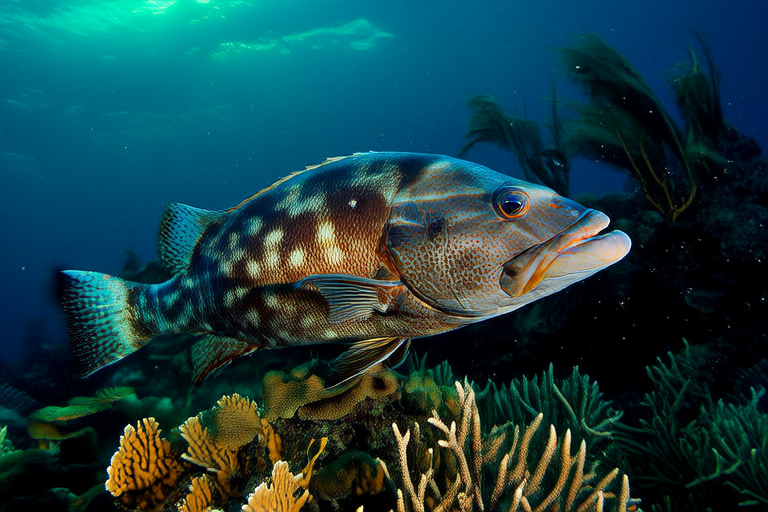
Why Are Parrot Fish So Colorful? Unraveling Their Bright Secrets
Welcome to a fascinating journey into the underwater world of parrot fish. These mesmerizing creatures are renowned for their vibrant and diverse coloration, which captivates both amateur and professional marine enthusiasts alike. The parrot fish family, known scientifically as Scaridae, includes over 90 species that inhabit tropical and subtropical waters around the globe. This article delves into the mysteries behind the dazzling hues of these aquatic marvels, exploring the biological mechanisms that produce their colors and the critical roles these vibrant displays play in their lives.
The Allure of Parrot Fish: An Introduction
Parrot fish are easily identifiable by their beak-like mouths, which they use to scrape algae from coral reefs. But it is their striking appearance that truly sets them apart. From electric blues to vivid oranges and deep purples, these fish come in a spectrum of hues that seem almost otherworldly. Their coloration serves not only as a visual spectacle but also as a vital tool for survival in the competitive marine environment.
Biological Reasons Behind Their Vibrant Coloring
The vivid colors of parrot fish result from a combination of pigments within their skin and the way light interacts with their scales. Melanin, carotenoids, and guanine crystals are the primary pigments responsible for their stunning appearance. Melanin provides the darker shades, while carotenoids contribute to the bright yellows and reds. Guanine crystals, on the other hand, reflect light, creating iridescent effects that change with the angle of observation.
Light reflection plays a significant role in enhancing the visibility of these pigments. The structure of parrot fish scales can scatter light in various ways, resulting in shimmering, dynamic displays. This optical effect adds another layer of complexity to their already vibrant palette, making them stand out even more in their natural habitat.
The Role of Color in Survival
Color is essential for parrot fish in several aspects of their survival, including camouflage, communication, and mate attraction. Each of these functions highlights the intricate relationship between coloration and environmental adaptation.
Camouflage
In the vast and varied landscapes of coral reefs, blending in can be a matter of life or death. Some parrot fish species have evolved to match the colors and patterns of their surroundings, providing them with effective camouflage against predators. For instance, the blue parrot fish (Scarus coeruleus) has a body color that closely resembles the blue tones of its coral reef habitat. This mimicry helps the fish avoid detection by larger predators like sharks and barracudas.
Communication
Colors also serve as a means of communication among parrot fish. Changes in hue can signal aggression, submission, or readiness to mate. During confrontations, parrot fish may display bold, contrasting colors to intimidate rivals. Conversely, when a fish is submissive, it might adopt more muted tones to show deference. This non-verbal communication is crucial for maintaining social hierarchies within groups of parrot fish.
Mate Attraction
One of the most captivating aspects of parrot fish coloration is its role in attracting mates. Males, in particular, often exhibit brighter and more elaborate color patterns during breeding seasons to impress potential partners. The Queen parrot fish (Scarus vetula), for example, displays a striking array of colors, including vibrant blues, oranges, and yellows, to attract females. The intensity of these colors can indicate the health and genetic fitness of the individual, thus influencing mate selection.
Diverse Species and Unique Color Patterns
Each species of parrot fish boasts its own distinctive color pattern, reflecting its evolutionary history and ecological niche. Let’s explore some notable examples:
The Queen Parrot Fish
The Queen parrot fish (Scarus vetula) is a prime example of the dazzling diversity within the parrot fish family. This species is known for its regal appearance, featuring a blend of vibrant blues, oranges, and yellows. Its body is adorned with intricate stripes and spots, creating a visually striking profile. The Queen parrot fish inhabits coral reefs across the Caribbean and western Atlantic, where it feeds primarily on algae.
The Blue Parrot Fish
The blue parrot fish (Scarus coeruleus) exemplifies the art of camouflage. Its predominantly blue body allows it to blend seamlessly into the azure depths of coral reefs. This species is found in the western Atlantic and Caribbean, where it uses its beak-like mouth to graze on algae. The blue parrot fish’s coloration not only aids in hiding from predators but also helps it find food more efficiently by blending into its feeding grounds.
The Stoplight Parrot Fish
The stoplight parrot fish (Sparisoma viride) is named for its bright yellow and orange markings, which resemble traffic signals. This species is widespread in the western Atlantic and Caribbean, and its striking coloration is thought to play a role in both camouflage and mate attraction. The stoplight parrot fish feeds on algae and seagrass, using its specialized beak to scrape food from rocks and coral.
The Importance of Understanding Parrot Fish in Marine Conservation Efforts
Understanding the coloration and behavior of parrot fish is crucial for marine conservation efforts. These fish play a vital role in maintaining the health of coral reefs, which are under threat from climate change, pollution, and overfishing. By studying the factors that influence their coloration and behavior, researchers can develop more effective strategies to protect these ecosystems.
Conservationists can use knowledge about parrot fish coloration to monitor population health and assess the impact of human activities on marine environments. For instance, changes in color patterns or reduced vibrancy could indicate stress or disease, prompting further investigation. Additionally, understanding the ecological roles of parrot fish can help in designing marine protected areas that preserve not just the fish themselves but the entire reef ecosystem.
Moreover, raising awareness about the beauty and importance of parrot fish can inspire public support for conservation initiatives. Educational programs and documentaries that highlight the colorful lives of these fish can foster a greater appreciation for marine biodiversity and encourage people to take action to protect it.
Conclusion
Parrot fish are more than just a splash of color in the ocean; they are intricate and vital components of marine ecosystems. Their vibrant hues serve multiple purposes, from camouflage and communication to mate attraction. By unraveling the secrets behind their bright coloration, we gain valuable insights into the complex interplay of biology, ecology, and evolution that shapes life in the sea.
Understanding parrot fish is not merely an academic pursuit; it has practical implications for marine conservation. As we continue to face challenges in preserving our oceans, the study of these colorful creatures offers hope and inspiration for protecting the rich tapestry of life beneath the waves. Let us cherish and safeguard the vibrant world of parrot fish for generations to come.
