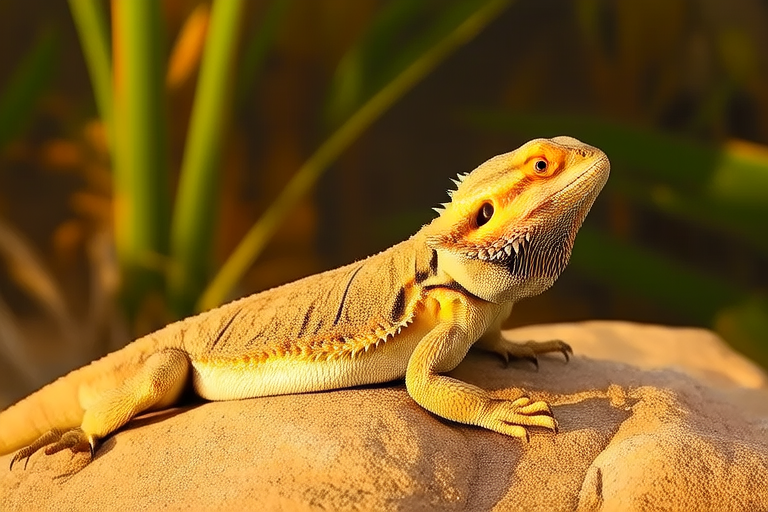
The Hidden Benefits of Owning a Bearded Dragon as a Pet Companion
When it comes to choosing a pet, many people think of traditional animals like dogs and cats. However, there’s a growing trend of reptile ownership, with bearded dragons being one of the most popular choices. These charming lizards offer a unique set of benefits that make them ideal companions for a wide range of pet owners. From emotional support to educational value for children, bearded dragons provide a host of hidden advantages that go beyond typical pet companionship.
Emotional Support: A Quiet Companion
Bearded dragons have become increasingly recognized for their ability to provide emotional support. Their calm demeanor and gentle presence can be incredibly soothing for individuals who need a quiet companion. Unlike dogs or cats, which may require more attention and interaction, bearded dragons offer a peaceful, low-maintenance alternative. They are especially beneficial for people dealing with anxiety or stress, providing a sense of comfort without the demands of constant engagement.
Low Maintenance Requirements
One of the most appealing aspects of owning a bearded dragon is their relatively low maintenance. These reptiles are generally easy to care for, requiring less time and effort compared to other pets. The initial setup of their habitat can be a bit more involved, but once established, maintaining a healthy environment for your bearded dragon is straightforward. Regular cleaning, feeding, and monitoring of health indicators are all part of routine care, ensuring minimal disruption to daily life.
Educational Value for Children
Bearded dragons are excellent educational tools for children, offering a hands-on learning experience about animal care and biology. Observing their behaviors, understanding their dietary needs, and learning about reptile habitats can spark curiosity and foster a deeper appreciation for nature. Parents can use this opportunity to teach valuable lessons about responsibility, empathy, and the importance of caring for living creatures. Moreover, handling a bearded dragon under supervision can help children develop fine motor skills and confidence.
Docile Nature
Bearded dragons are known for their docile and friendly disposition, making them perfect for families or individuals looking for a gentle pet. They are generally non-aggressive and enjoy human interaction, often showing signs of contentment by puffing out their beards and remaining still. This calm temperament makes them suitable for households with young children, where safety and peace of mind are priorities. Additionally, their patience and ease of handling can encourage positive interactions and bonding between owner and pet.
Tips for Care, Feeding, and Habitat Setup
Proper care is essential for ensuring your bearded dragon thrives and remains healthy. Here are some key tips to consider:
Habitat Setup
The first step in providing a suitable home for your bearded dragon is setting up its habitat. A spacious terrarium with appropriate lighting, temperature, and humidity levels is crucial. UVB lighting is vital for calcium absorption and overall health, while heat lamps maintain the necessary warmth. The enclosure should also include hiding spots, climbing structures, and a shallow water dish for bathing. Regular cleaning of the habitat ensures a clean and safe environment for your pet.
Feeding and Nutrition
Bearded dragons are omnivores, meaning their diet consists of both plant and animal matter. A balanced diet includes a variety of vegetables, fruits, and protein sources. Younger dragons require more protein, while adults benefit from a diet richer in vegetation. Commercially available reptile foods can supplement their diet, but it’s important to avoid overfeeding and ensure fresh, nutritious meals. Offering a diverse menu promotes good health and prevents nutritional deficiencies.
Health Monitoring
Regular health checks are essential for detecting any issues early. Signs of illness might include loss of appetite, lethargy, or changes in skin color. Consulting a veterinarian specializing in reptiles can provide guidance on maintaining optimal health. Routine check-ups and preventive measures, such as parasite control, contribute to a long and happy life for your bearded dragon.
Rewarding Aspects of Bonding
Bonding with a bearded dragon is a rewarding experience that deepens the connection between pet and owner. Their gentle nature and responsiveness to affection create a unique relationship built on trust and mutual respect. Owners often find joy in observing their bearded dragon’s behaviors, from basking under the heat lamp to exploring their surroundings. This bond can bring immense satisfaction and fulfillment, enhancing the overall pet ownership experience.
Thriving in Various Living Conditions
Bearded dragons adapt well to different living environments, making them suitable for a wide range of homes. Whether you live in an apartment or a house, providing the right habitat and care allows your bearded dragon to flourish. Their compact size and manageable needs mean they can fit into various spaces, from small terrariums to larger enclosures. With proper attention to their specific requirements, bearded dragons can thrive in almost any setting, bringing joy and companionship to their owners.
Conclusion
Owning a bearded dragon as a pet companion offers numerous hidden benefits that extend far beyond typical pet ownership. From emotional support and low maintenance to educational value and their docile nature, these reptiles provide a unique and enriching experience for both first-time and experienced pet owners. By following the care, feeding, and habitat setup guidelines outlined above, you can ensure your bearded dragon leads a healthy and happy life. Embrace the rewarding aspects of bonding with these fascinating creatures and discover the joy of having a bearded dragon as your loyal companion.
