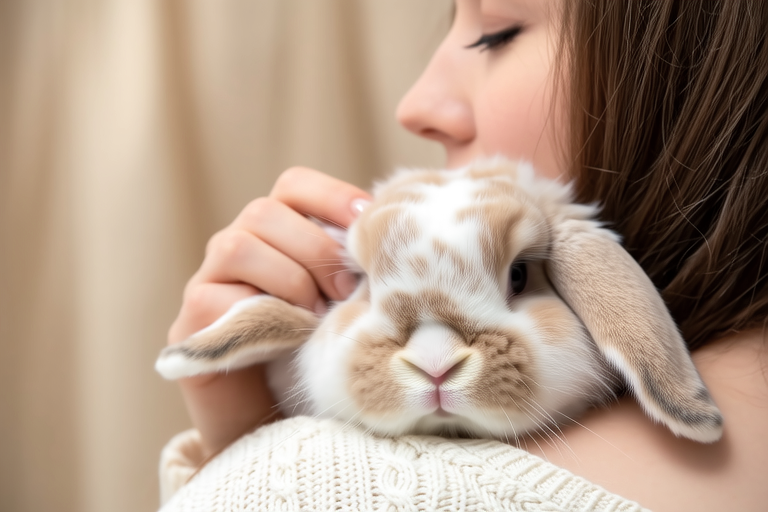
From Bunnies to Besties: How Lop Rabbits Win Hearts Worldwide
Lop rabbits are among the most recognizable and beloved breeds of domesticated rabbits worldwide. Known for their distinctive floppy ears, these charming creatures have captured the hearts of many. Their unique physical traits, combined with their gentle and affectionate nature, make them ideal companions for families and individuals alike. This article delves into the fascinating world of lop rabbits, exploring their history, diverse breeds, and the qualities that make them exceptional pets.
The Unique Physical Traits of Lop Rabbits
Lop rabbits are easily distinguished by their large, drooping ears that typically hang down below their chin. These ears, which can be as long as 7 inches, are one of the breed’s most defining features. In addition to their floppy ears, lop rabbits possess a compact body structure, short legs, and a broad chest. Their dense fur, which can come in a variety of colors and patterns, adds to their overall appeal. The combination of these physical traits makes lop rabbits both visually striking and endearing.
Varieties of Lop Rabbit Breeds
Within the lop rabbit family, there are several distinct breeds, each with its own unique characteristics:
- English Lops: These are the largest lop rabbits, with ears that can grow up to 20 inches long. They have a robust build and a gentle temperament.
- Dutch Lops: Smaller than English Lops, Dutch Lops weigh between 3-4 pounds and are known for their distinctive white blaze on their forehead. They are highly energetic and intelligent.
- Holland Lops: Holland Lops are the smallest lop breed, weighing between 2-3 pounds. They are compact, with a round head and short, upright ears when young. They are playful and sociable.
- Belgian Lops: Belgian Lops are medium-sized, with a more muscular build compared to other lop breeds. They are calm and docile, making them great for families.
The History of Lop Rabbits
The origins of lop rabbits can be traced back to medieval Europe, where they were first bred for meat and fur. Over time, selective breeding focused on enhancing their floppy ears, leading to the development of various lop breeds. By the 19th century, lop rabbits had gained popularity as pets due to their friendly demeanor and appealing appearance. Today, they are widely recognized for their companionship rather than their utility, and they continue to win over hearts globally.
Lop Rabbit Personalities
Lop rabbits are known for their gentle and affectionate nature, making them excellent companions. They are generally calm and patient, often enjoying being petted and cuddled. Their intelligence allows them to learn tricks and respond to training, further strengthening the bond between owner and pet. Lop rabbits thrive in social environments and can form strong bonds with their human families. Their playful yet serene demeanor makes them ideal pets for households with children, as they can provide both entertainment and comfort.
Caring for Your Lop Rabbit
Proper care is essential to ensure your lop rabbit leads a healthy and happy life. Here are some key aspects to consider:
Diet
A balanced diet is crucial for maintaining your lop rabbit’s health. Their diet should primarily consist of hay, which aids in digestion and dental health. Fresh vegetables and fruits can also be included, but should be given in moderation. Pellets formulated specifically for rabbits should be provided to supplement their nutritional needs. Always introduce new foods gradually to prevent digestive upset.
Exercise
Lop rabbits require regular exercise to stay fit and healthy. Providing a spacious cage or enclosure with ample room for hopping and running is important. Additionally, supervised playtime outside the cage in a safe, bunny-proofed area is beneficial. Toys and tunnels can stimulate their minds and keep them active.
Health Needs
Regular veterinary check-ups are vital for early detection and prevention of health issues. Lop rabbits are prone to certain conditions such as dental problems and respiratory infections. Maintaining a clean living environment and monitoring their behavior for any signs of illness are essential steps in ensuring their well-being.
Stories of Lop Rabbits Making a Difference
Lop rabbits have touched countless lives around the world, often serving as therapy animals and companions for those in need. For instance, in nursing homes and hospitals, lop rabbits have been used to help patients recover emotionally and physically. Their presence brings joy and comfort to individuals facing challenging times. One such story involves a lop rabbit named Bella, who visited a children’s hospital, brightening the days of young patients and helping them cope with their illnesses. Another example is a lop rabbit named Charlie, who provided companionship to an elderly woman, alleviating her loneliness and improving her quality of life.
In conclusion, lop rabbits are more than just pets; they are cherished companions that bring joy and love to the lives of many. From their unique physical traits to their endearing personalities, lop rabbits have earned their place in the hearts of people worldwide. With proper care and attention, these wonderful creatures can provide years of companionship and happiness. Whether you’re an experienced rabbit owner or considering adopting your first pet, lop rabbits offer a rewarding and enriching experience that will surely transform them from bunnies to besties.
