Everything You Need to Know Before Getting a Tarantula as Your Pet
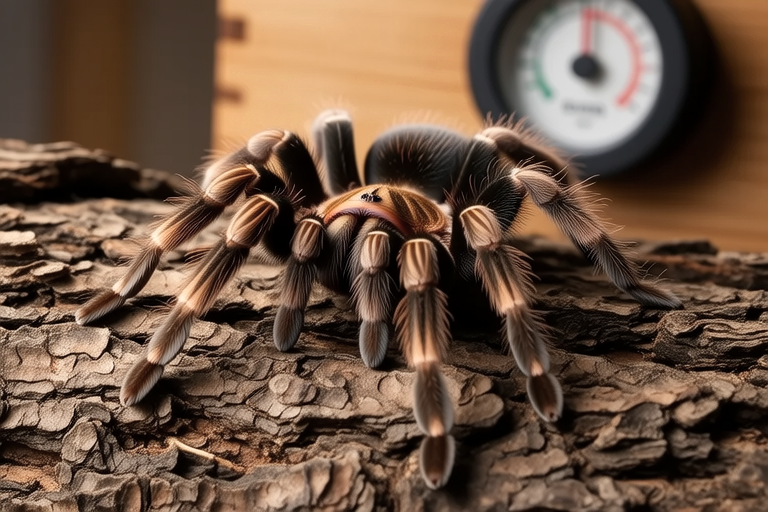
Welcome to the world of tarantulas! These fascinating creatures have been gaining popularity as pets due to their unique appearance and relatively low maintenance requirements. However, before you decide to bring one home, it’s essential to understand what it takes to care for these eight-legged wonders. This guide will walk you through everything you need to know before getting a tarantula as your pet.
Tarantula Species Suitable for Beginners
Choosing the right tarantula species is crucial for new owners. Some species are more forgiving and easier to care for than others. Here are a few beginner-friendly options:
- Barking Spider (Acanthoscurria geniculata): Known for its distinctive bark-like sound when threatened, this species is hardy and relatively easy to care for.
- Brown Recluse (Gastrographeus porteri): A docile and calm spider that makes a great starter pet. It’s also known for its beautiful brown coloration.
- Costa Rican Zebra (Aphonopelma seemanni): This species is popular among beginners due to its gentle nature and striking black-and-white pattern.
These species are generally more tolerant of handling and less likely to be aggressive, making them ideal for those who are new to tarantula ownership.
Housing Requirements
A proper enclosure is essential for the health and well-being of your tarantula. The size of the enclosure depends on the species, but a general rule is to provide at least three times the leg span of the tarantula in length and two times the width. For example, a tarantula with a leg span of 6 inches would require an enclosure that is at least 18 inches long and 12 inches wide.
The substrate in the enclosure should be at least twice the depth of the tarantula’s leg span. Common substrates include coconut fiber, peat moss, or a mixture of vermiculite and perlite. These materials help maintain humidity levels and provide a natural environment for burrowing.
It’s important to provide hiding spots within the enclosure. Tarantulas are nocturnal and prefer to hide during the day. You can use cork bark, half logs, or other similar objects to create hiding spaces.
Dietary Needs
Tarantulas are carnivorous and feed primarily on live insects. Crickets are a common food source, but you can also offer mealworms, super worms, and dubia roaches. The size of the prey should be appropriate for the tarantula; generally, no larger than half the size of the tarantula’s body.
Feeding frequency varies depending on the age and size of the tarantula. Younger tarantulas may eat once a week, while adults might only need to be fed every two weeks. Always ensure that any uneaten prey is removed from the enclosure after 24 hours to prevent potential harm to the tarantula.
In addition to live food, it’s crucial to provide a shallow water dish for hydration. Change the water regularly to prevent bacterial growth.
Handling Tips
While tarantulas can be fascinating to observe, it’s important to handle them carefully. Start by familiarizing yourself with your tarantula’s behavior and preferences. Some species are more tolerant of handling than others.
When handling, gently scoop up your tarantula using both hands, supporting its entire body. Avoid grabbing or squeezing the tarantula. If your tarantula feels threatened, it may flick urticating hairs from its abdomen. These hairs can cause irritation to the skin and eyes, so it’s best to avoid direct contact with your face.
Always wash your hands thoroughly after handling your tarantula to remove any potential irritants and to prevent the spread of bacteria.
Health Concerns
Like any pet, tarantulas can experience health issues. One of the most common problems is dehydration, which can lead to digestive issues and other complications. Ensuring a proper water source and maintaining adequate humidity levels in the enclosure is crucial for preventing dehydration.
Another concern is moulting. During this process, the tarantula sheds its exoskeleton. It’s normal for the tarantula to remain still and unresponsive during this period. However, if the moult becomes stuck or incomplete, it can be life-threatening. In such cases, it’s best to consult a veterinarian who specializes in exotic animals.
Regular observation of your tarantula’s behavior and physical condition can help detect early signs of illness. Look for changes in appetite, activity level, and the appearance of the exoskeleton.
Myths About Tarantulas
There are several misconceptions about tarantulas that can deter potential owners. Let’s debunk some of the most common myths:
- Myth: All tarantulas are venomous and dangerous. While tarantulas do possess venom, it is generally not harmful to humans. Most bites result in localized pain, similar to a bee sting.
- Myth: Tarantulas are aggressive and prone to attack. Many tarantula species are docile and prefer to avoid confrontation. They will typically only bite as a last resort when threatened.
- Myth: Tarantulas are messy and difficult to clean. With proper care and regular cleaning of the enclosure, tarantulas can be as clean and manageable as any other pet.
Advice on Sourcing from Reputable Breeders
When choosing a tarantula, it’s important to source from reputable breeders. Reputable breeders prioritize the health and well-being of their animals, ensuring that they are raised in optimal conditions. They also provide detailed information about the species, including its temperament and care requirements.
Avoid purchasing tarantulas from pet stores or online sellers who cannot provide a clear history of the animal. These sources often lack transparency and may sell animals that are stressed, ill, or improperly cared for.
Consider joining local or online communities dedicated to tarantula enthusiasts. These groups can provide valuable insights and recommendations for reputable breeders in your area.
Finally, always research the specific species you’re interested in before making a purchase. Understanding the unique needs and characteristics of each species will help ensure that you can provide the best possible care for your new pet.
By following these guidelines, you’ll be well-prepared to welcome a tarantula into your home. Remember, with proper care and attention, your tarantula can become a delightful and rewarding companion.
