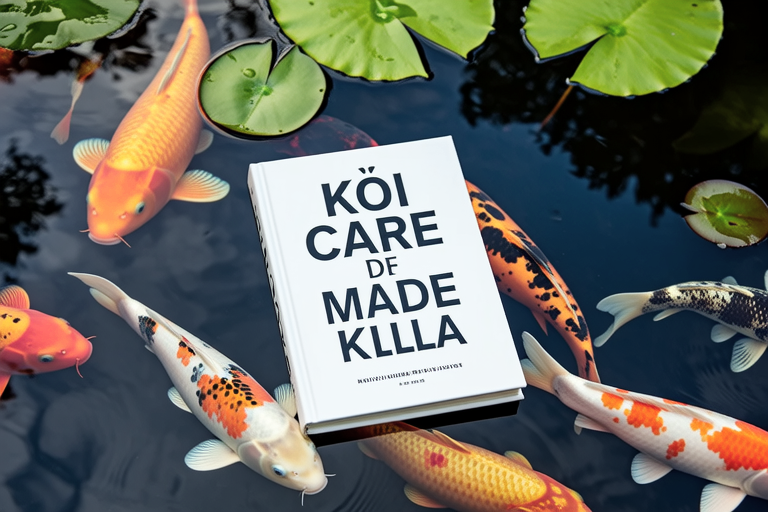
Koi Care Made Easy: A Beginner’s Essential Handbook
Welcome to the world of koi keeping! Koi fish, with their vibrant colors and graceful movements, have captivated many hobbyists and enthusiasts alike. This guide aims to make your journey into koi care as smooth and enjoyable as possible. Whether you’re setting up your first pond or looking to improve your current setup, this handbook will cover everything from basic koi anatomy and behavior to essential equipment and maintenance tips.
Understanding Your Koi: Basic Anatomy and Behavior
Before diving into the specifics of koi care, it’s important to understand what makes these fish unique. Koi are carp that have been selectively bred for coloration and pattern. They can grow quite large, reaching lengths of up to three feet, so providing ample space is crucial.
Anatomy: Like other fish, koi have gills that allow them to breathe underwater by extracting oxygen from the water. Their bodies are streamlined, aiding in swimming efficiency. Koi also have a lateral line system, which helps them sense changes in water pressure and movement around them.
Behavior: Koi are social creatures and often gather at feeding times. They are active swimmers, frequently exploring their environment. Koi can also be trained to recognize their caretakers, making feeding time a delightful interaction.
Essential Equipment for Koi Ponds
Creating a suitable habitat for your koi requires some essential equipment. Here’s what you need:
- Pond Liner: A durable liner prevents water loss and keeps your pond free from harmful substances.
- Filtration System: Proper filtration is vital for maintaining clean water. It removes waste and excess nutrients, preventing algae growth.
- Aeration: Adding air stones or a fountain helps maintain oxygen levels, ensuring your koi have enough to breathe.
- Cover: A netting or cover can protect your pond from debris and predators while keeping your koi safe.
- Heater (optional): In colder climates, a heater may be necessary to keep the water temperature stable during winter.
Water Quality Management
Water quality directly affects the health and well-being of your koi. Regular monitoring and maintenance are key to ensuring a thriving pond ecosystem.
Testing: Use test kits to check parameters such as pH, ammonia, nitrite, and nitrate levels. Aim for a pH between 7.0 and 8.0, and keep ammonia and nitrite at zero.
Chemical Balance: Adjustments might be needed if readings fall outside recommended ranges. For example, adding baking soda can raise pH, while vinegar can lower it. Always follow product instructions carefully.
Water Changes: Perform partial water changes regularly to remove accumulated toxins and refresh the environment.
Feeding Guidelines
Proper nutrition is essential for the growth and health of your koi. Feed them high-quality pellets designed specifically for koi. These pellets should contain a balanced mix of proteins, fats, carbohydrates, vitamins, and minerals.
Frequency: Feed your koi two to three times daily, but only give them as much food as they can consume within five minutes. Overfeeding can lead to poor water quality and health issues.
Variety: Occasionally offer treats like shelled peas, blanched vegetables, or freeze-dried foods. These provide variety and additional nutrients.
Common Health Issues and Prevention
Despite best efforts, koi can still face health challenges. Being proactive can help prevent many problems.
Fungal Infections: Look for cotton-like growths on the body or fins. Treat with anti-fungal medications available at pet stores. Maintaining good water quality is the best defense.
Bacterial Infections: Symptoms include redness, ulcers, or fin rot. Antibiotics prescribed by a veterinarian can treat bacterial infections effectively.
Parasites: Parasitic infestations may cause flashing (rubbing against objects) or white spots. Anti-parasitic treatments are available, but always quarantine affected fish before treatment.
Tips for Maintaining a Healthy Pond Ecosystem
Maintaining a balanced pond ecosystem ensures both the health of your koi and the longevity of your pond.
Plant Life: Introduce aquatic plants to your pond. They provide oxygen, absorb nutrients, and offer hiding places for your koi. Plants like water lilies and hornwort are popular choices.
Biofiltration: Encourage biofiltration by adding beneficial bacteria. These microorganisms break down harmful compounds, improving water quality.
Predator Protection: Secure your pond with fencing or netting to keep out predators like raccoons, herons, and cats.
Seasonal Care: Prepare for seasonal changes by adjusting feeding schedules and possibly heating systems. In summer, increase aeration; in winter, monitor temperatures closely.
Conclusion
Raising koi can be a rewarding and beautiful experience. By understanding the basics of koi anatomy and behavior, equipping yourself with the right tools, managing water quality, feeding appropriately, addressing health issues promptly, and maintaining a healthy pond ecosystem, you’ll set yourself up for success. Remember, patience and consistency are key in providing the best care for your koi. Enjoy watching your koi thrive in their new home!
