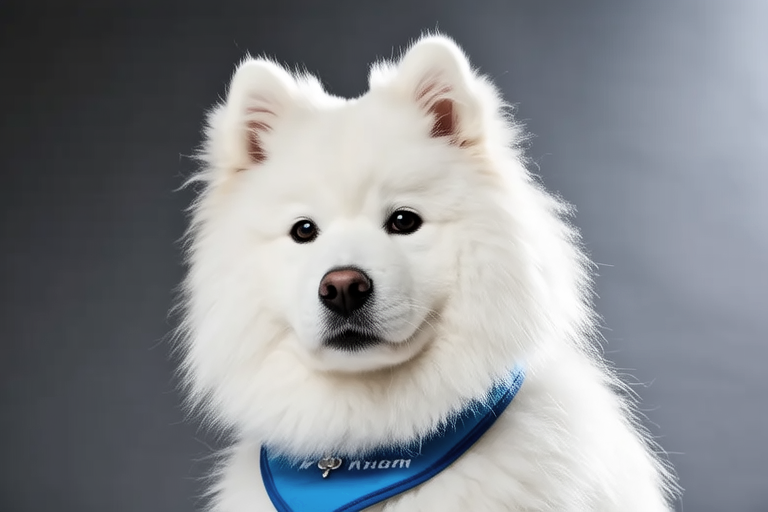
Samoyed Training Tips: Taming the White Polar Bear
Introduction:
Welcome to the world of Samoyeds, often affectionately referred to as the ‘White Polar Bears.’ These beautiful, fluffy dogs are known for their intelligence, loyalty, and playful nature. However, their intelligence can sometimes make them challenging to train. This guide aims to provide you with practical, actionable advice on how to train your Samoyed effectively.
Basic Obedience Training
Training your Samoyed starts with basic obedience commands. Commands like ‘sit,’ ‘stay,’ ‘come,’ and ‘heel’ are fundamental. Start training when your Samoyed is young; puppies are more receptive to learning. Use positive reinforcement, such as treats and praise, to encourage good behavior. Keep training sessions short (10-15 minutes) and fun to maintain your dog’s interest.
For instance, teaching your Samoyed to ‘sit’ involves holding a treat above their nose, making them look up and tilt their head back. As they do this, their bottom will naturally lower. Once they sit, say ‘sit’ and give them the treat along with verbal praise. Repeat this process several times a day until they understand the command.
Socialization Techniques
Socializing your Samoyed is crucial for their emotional well-being and to ensure they become well-adjusted adults. Expose your puppy to various environments, people, and other animals from an early age. This helps prevent fear-based behaviors later in life. Puppy classes are an excellent way to socialize your Samoyed while also reinforcing basic commands.
During socialization, always monitor your Samoyed’s reactions. If they seem uncomfortable or scared, remove them from the situation and try again another day. Patience is key in socialization, as each dog progresses at its own pace.
Exercise Needs
Samoyeds are an active breed that requires regular exercise to stay healthy and happy. They were originally bred as sled dogs, so they have a lot of energy. Daily walks and playtime are essential. Consider activities like running, hiking, or even swimming if your Samoyed enjoys water. Mental stimulation is equally important, so incorporate puzzle toys or interactive games into their routine.
It’s important to note that over-exercising can lead to joint problems, especially in young Samoyeds. Always tailor the intensity and duration of exercise to suit your dog’s age and physical condition.
Common Behavioral Issues and Solutions
Despite their loving nature, Samoyeds can display certain behavioral issues. One common problem is excessive barking. To address this, identify the trigger and work on desensitizing your Samoyed to it. For example, if they bark at strangers, gradually introduce them to new people in a controlled environment, rewarding calm behavior.
Another issue is chewing. Providing appropriate chew toys and ensuring your Samoyed gets enough mental and physical stimulation can help curb this behavior. Crate training can also be beneficial, as it provides a safe space for your dog and prevents destructive behavior when you’re not home.
Grooming Tips Related to Their Coat
Samoyeds have a thick double coat that requires regular grooming. Brush them at least twice a week to prevent matting and remove loose hair. During shedding season (usually spring and fall), daily brushing may be necessary. Bathe your Samoyed only when needed, as frequent bathing can strip their coat of natural oils.
Regular dental care is also important. Brush your Samoyed’s teeth at least three times a week to prevent tartar buildup and gum disease. Check their ears weekly for signs of infection and clean them gently if necessary.
Maintaining a Strong Bond with Your Samoyed
The relationship between you and your Samoyed is built on trust, respect, and love. Spend quality time together every day, whether it’s playing fetch, going for walks, or simply cuddling. Consistency in training and routine helps build a strong bond. Be patient and understanding, offering reassurance and support when needed.
Communicate openly with your Samoyed through body language and vocal cues. Dogs are very attuned to human emotions, so maintaining a calm and positive demeanor can greatly influence your dog’s behavior.
Conclusion:
Raising a Samoyed is a rewarding experience filled with joy, laughter, and companionship. By following these training tips and maintaining a strong bond, you’ll ensure your Samoyed grows into a well-behaved, happy adult. Remember, every dog is unique, so adapt these guidelines to suit your individual pet’s needs. With patience, consistency, and love, you and your Samoyed will share many wonderful years together.
