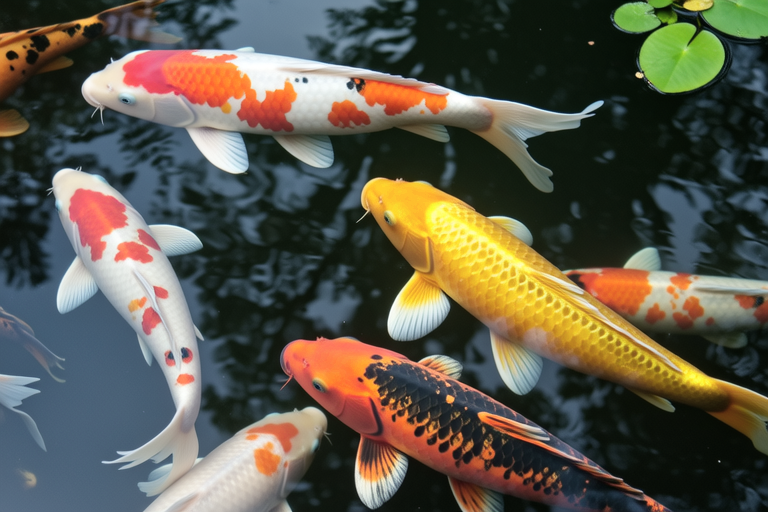
Unleashing the Beauty: A Guide to Raising Vibrant Koi Fish
Koi fish, with their graceful movements and stunning colors, have captivated aquarium enthusiasts and pond owners alike for centuries. These ornamental carp are more than just fish; they are living pieces of art that can transform your backyard into a serene oasis. Whether you’re a beginner or an experienced koi keeper, raising vibrant koi requires dedication, knowledge, and a bit of patience. This guide will walk you through the essential steps to ensure your koi thrive in their environment, showcasing their natural beauty.
Choosing the Right Pond
The first step in raising vibrant koi is selecting the appropriate pond. The size and shape of the pond play crucial roles in providing adequate space for your koi to swim freely and maintain a healthy ecosystem. For a small number of koi, a pond of at least 1,000 gallons is recommended, but for larger collections, ponds of 2,000 gallons or more are ideal. Depth is also important, as deeper ponds provide better temperature stability and protection from predators.
When designing your pond, consider incorporating gentle slopes and shallow areas where koi can rest and bask in the sunlight. Additionally, include ample planting areas with aquatic plants like water lilies and lotus, which not only add aesthetic value but also help in oxygenating the water and filtering out toxins. Ensure your pond has an efficient filtration system to manage waste and maintain water clarity.
Water Quality Maintenance
Maintaining optimal water quality is paramount for the health and longevity of your koi. Regular testing and monitoring of pH levels, ammonia, nitrite, and nitrate concentrations are essential. Ideally, the pH should range between 7.2 and 8.0, while ammonia and nitrite levels should be kept at zero. Nitrate levels, though less harmful, should be maintained below 40 ppm.
Perform weekly partial water changes, replacing approximately 10% to 20% of the pond’s water each time. This helps dilute accumulated toxins and refreshes the water. Utilize biological filters to support beneficial bacteria that convert harmful ammonia into less toxic substances. Mechanical filtration systems, such as skimmers and bead filters, are also beneficial for trapping debris and particulates before they settle in the pond.
Aeration is another critical aspect of water quality management. Properly aerated water ensures sufficient oxygenation, especially during hot weather when dissolved oxygen levels can drop. Consider installing an air pump or fountain to enhance circulation and prevent stagnation.
Proper Feeding Techniques
Feeding koi correctly is key to their health and vibrancy. Koi are omnivorous and require a balanced diet rich in proteins, fats, carbohydrates, vitamins, and minerals. High-quality commercial koi pellets designed specifically for their nutritional needs are the best choice. These pellets come in various sizes and formulations tailored to different life stages and seasons.
In warmer months, feed your koi up to three times daily, offering as much food as they can consume within five minutes. Reduce feeding frequency to once or twice per day in cooler temperatures, as koi become less active and their metabolism slows down. Avoid overfeeding, as excess food can degrade water quality and lead to health issues. Always ensure that the food you provide is fresh and stored in a cool, dry place.
Varying the diet with occasional treats such as freeze-dried bloodworms, brine shrimp, or vegetables like zucchini and spinach can enrich their nutritional intake and stimulate their appetite. However, these should be offered sparingly, as they do not replace the essential nutrients provided by koi pellets.
Common Health Issues
Despite your best efforts, koi may still encounter health problems. Recognizing and addressing these issues promptly is vital for their recovery. Some common health concerns include:
- Fungus: Characterized by white or grayish growths on the body or fins, fungal infections often result from poor water quality or physical damage. Treatments include anti-fungal medications or improving pond conditions.
- Bacterial Infections: Symptoms include redness, ulcers, or fin rot. Antibiotics under veterinary guidance can effectively treat bacterial infections.
- Parasitic Infestations: Look for excessive scratching or white spots on the skin. Parasites can be treated with medicated food or dips.
- Swim Bladder Disease: This condition affects buoyancy, causing koi to float abnormally. Adjusting water temperature and improving water quality can help alleviate symptoms.
Regular observation of your koi’s behavior and appearance can help detect potential health issues early. Consult with a veterinarian specializing in aquatic animals for accurate diagnosis and treatment.
Tips for Enhancing Koi Color Vibrancy
The vibrant colors of koi are one of their most striking features, and there are several ways to enhance and maintain them. Proper nutrition is fundamental, as deficiencies in certain pigments can dull the colors. Use high-quality koi food enriched with carotenoids, which are responsible for the red, orange, and yellow hues in koi.
Environmental factors also play a significant role in color development. Exposure to sunlight is beneficial, as it stimulates the production of pigments. However, avoid direct sunlight during the hottest part of the day to prevent overheating and stress. Providing a diverse range of colors in your pond environment, such as greenery and blue skies, can also promote color enhancement.
Stress can negatively impact koi coloration, so maintaining a calm and stable environment is crucial. Minimize sudden changes in water parameters and avoid overcrowding. Regular water changes and effective filtration systems contribute to reducing stress levels.
Conclusion
Raising vibrant koi fish is a rewarding endeavor that combines aesthetics with responsibility. By carefully selecting the right pond, maintaining excellent water quality, practicing proper feeding techniques, being vigilant about health issues, and enhancing color vibrancy, you can ensure your koi thrive and flourish. Whether you are a novice or an experienced koi keeper, the joy of watching these beautiful creatures swim gracefully in your pond is unmatched. With dedication and care, you can create a harmonious and thriving ecosystem that showcases the natural splendor of koi fish.
