Amazing Facts About Leopard Geckos You Need to Know
Leopard geckos have long been a favorite among reptile enthusiasts due to their docile nature, vibrant colors, and relatively easy care requirements. These small lizards, native to the arid regions of Afghanistan, Pakistan, and parts of India, offer a fascinating glimpse into the world of reptiles. Whether you’re a first-time reptile owner or an experienced herpetologist, there’s always more to learn about these captivating creatures.
Unique Characteristics of Leopard Geckos
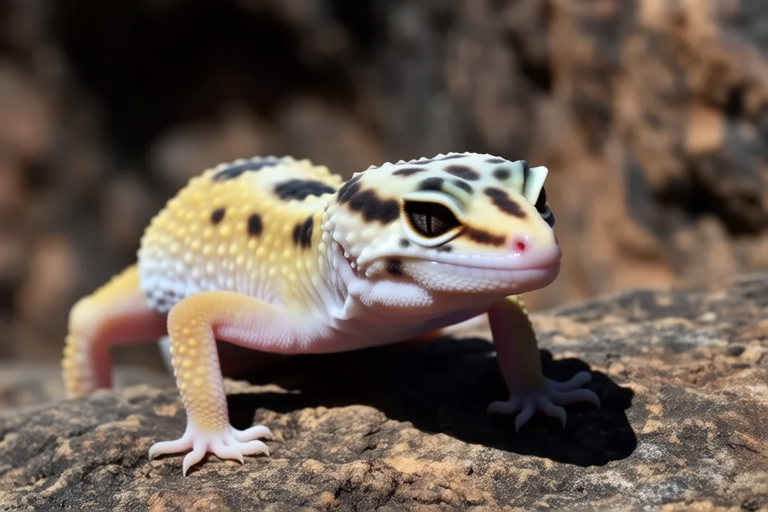
One of the most striking features of leopard geckos is their unique appearance. Their skin is covered in tiny, granular scales that give them a velvety texture. The name ‘leopard’ comes from their distinct pattern of spots, which resemble those of a leopard. Leopard geckos come in a variety of colors, including yellow, orange, white, and black, making each one a unique work of art.
Another remarkable characteristic of leopard geckos is their ability to vocalize. Unlike many other reptiles, leopard geckos can make soft chirping sounds, often when they are excited or stressed. This behavior is especially common during breeding season.
Nocturnal Nature
Leopard geckos are strictly nocturnal animals, meaning they are active primarily at night. This adaptation allows them to avoid the intense heat of the day in their natural desert habitats. As a result, their eyes are well-adapted for low-light conditions, enabling them to hunt efficiently under the cover of darkness.
Owners of leopard geckos should take this nocturnal lifestyle into account when designing their enclosure. Providing adequate hiding spots and maintaining a consistent temperature gradient will help your gecko feel secure and thrive.
Dropping Their Tails
One of the most intriguing behaviors of leopard geckos is their ability to shed their tails as a defense mechanism. When threatened, a leopard gecko can voluntarily detach its tail, which continues to wiggle for several minutes, distracting potential predators while the lizard escapes. This process is known as autotomy.
While losing a tail can be alarming, it is usually not harmful to the gecko. In fact, leopard geckos can regenerate their tails over time. However, the new tail may not look exactly like the original, often being shorter and lacking the intricate patterns of the old one.
Dietary Needs
Leopard geckos are insectivores, meaning their diet consists primarily of insects. In captivity, their staple food is typically crickets, but they also enjoy other prey items such as mealworms, dubia roaches, and waxworms. It’s important to gut-load feeder insects with nutritious food before offering them to your gecko to ensure they receive optimal nutrition.
Vitamin and mineral supplementation is crucial for maintaining your leopard gecko’s health. Dusting the feeder insects with calcium and vitamin D3 powders helps prevent metabolic bone disease and other deficiencies.
Habitat Preferences
Creating an appropriate habitat for your leopard gecko is essential for its well-being. Leopard geckos require a warm side (around 88-90°F) and a cooler side (around 75-78°F) within their enclosure to regulate their body temperature. A heat mat or ceramic heat emitter can be used to provide the necessary warmth.
In addition to temperature control, humidity levels should be maintained between 30-40%. Leopard geckos naturally inhabit dry environments, so excessive moisture can lead to health issues such as respiratory infections.
Adequate hiding spots are vital for providing security and reducing stress. Rocks, logs, and commercially available shelters are all good options. Leopard geckos also appreciate a shallow water dish for drinking and occasional soaking.
Interesting Behaviors
Leopard geckos exhibit a range of interesting behaviors that make them enjoyable pets. One of the most endearing traits is their tendency to “wave” their front legs when interacting with humans. This behavior is thought to be a sign of submission or curiosity rather than aggression.
During breeding season, male leopard geckos may become territorial and engage in head bobbing or pushing contests. Females, on the other hand, may lay eggs if provided with a suitable nesting area. Leopard geckos are oviparous, meaning they lay eggs rather than giving birth to live young.
Adapting to Different Environments
Leopard geckos have proven to be highly adaptable to various environments, both in the wild and in captivity. Their ability to tolerate a wide range of temperatures and humidity levels makes them popular choices for reptile enthusiasts around the world.
However, it’s important to note that adapting to a new environment can be stressful for any animal. Gradually acclimating your leopard gecko to changes in its surroundings, such as moving to a new home or introducing new tank mates, can help minimize stress and promote healthy behavior.
Care Requirements
Proper care is key to ensuring the longevity and well-being of your leopard gecko. Regular cleaning of the enclosure, monitoring for signs of illness, and providing a balanced diet are all essential aspects of responsible pet ownership.
Leopard geckos generally have a lifespan of 10-20 years, making them long-term companions. With proper care, they can remain healthy and active throughout their lives. Regular veterinary check-ups, particularly for older geckos, can help catch potential health issues early.
Conclusion
Leopard geckos are fascinating creatures with unique characteristics, behaviors, and care requirements. From their ability to vocalize and drop their tails to their preference for nocturnal activities, these lizards offer endless opportunities for learning and enjoyment. By understanding and meeting their needs, you can provide a happy and healthy life for your leopard gecko, ensuring many years of companionship and wonder.
