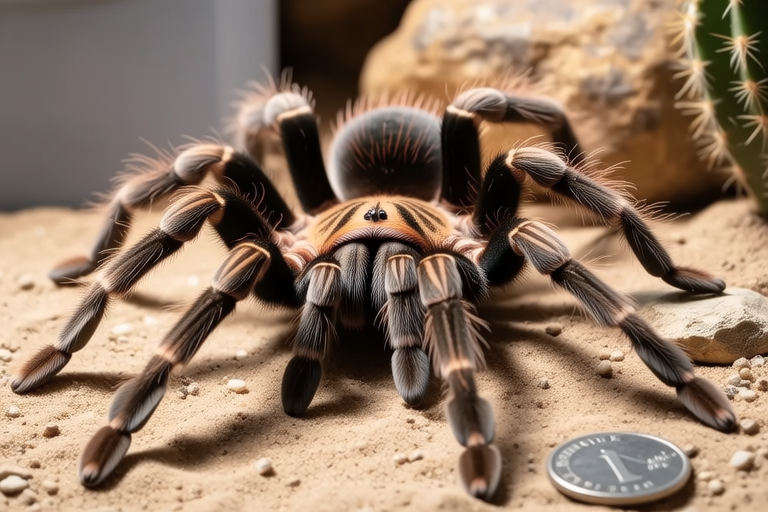
Tarantula 101: The Ultimate Beginner’s Guide to Keeping a Healthy Chilean Rose at Home
Welcome to Tarantula 101, your comprehensive guide to successfully keeping a Chilean Rose tarantula at home. This article is designed to provide you with all the information you need to ensure your pet thrives in its new environment. We’ll start by introducing tarantulas, focusing on the unique characteristics of the Chilean Rose species, then move on to essential care tips, including appropriate housing, temperature and humidity requirements, diet specifics, and feeding schedules. Additionally, we will discuss handling and safety precautions for owners, advice on maintaining a healthy environment, recognizing common health issues, and when to seek professional help. Finally, we’ll conclude with tips for new owners to ensure their Chilean Rose thrives in a home setting.
Introduction to Tarantulas
Tarantulas belong to the family Theraphosidae, which includes over 900 species of spiders found in various habitats around the world. They are known for their large size, hairy appearance, and defensive behavior. While some tarantulas can be aggressive, most species are docile and make excellent pets for enthusiasts. One of the most popular species among beginners is the Chilean Rose tarantula (Grammostola rosea).
The Chilean Rose tarantula is native to the Atacama Desert in Chile and Argentina. It is named for its distinctive pinkish-red hairs that cover its body. These tarantulas are relatively small, reaching only about 4 to 6 inches in leg span, making them ideal for those new to tarantula ownership. Their calm demeanor and manageable size also make them perfect for beginners.
Essential Care Tips
Appropriate Housing
Your Chilean Rose needs a secure enclosure to feel safe and comfortable. A glass or plastic tank with a tightly fitting lid is ideal. Ensure the tank is at least three times the length of your tarantula’s leg span. For an adult Chilean Rose, this means a tank that is at least 12 inches long. The substrate should be 4-6 inches deep, made of coconut fiber, vermiculite, or a mix of both. This material retains moisture well, which helps maintain the required humidity levels.
Temperature and Humidity Requirements
Maintaining the correct temperature and humidity is crucial for your tarantula’s health. The ideal temperature range for a Chilean Rose is between 75°F and 85°F (24°C to 29°C). You can use a heat mat placed under one side of the tank to achieve this. The humidity level should be kept between 50% and 70%. To monitor these conditions, invest in a hygrometer and thermometer. Mist the substrate lightly once or twice a week to increase humidity.
Diet and Feeding Schedules
Chilean Rose tarantulas are carnivorous and primarily feed on insects. In captivity, they thrive on a diet of crickets, mealworms, and dubia roaches. Feed your tarantula once every week or two, depending on its appetite and size. Juvenile tarantulas may eat more frequently than adults. Always remove any uneaten prey after 24 hours to prevent potential harm to your tarantula.
Handling and Safety Precautions
Handling your Chilean Rose should be done with care. Tarantulas have urticating hairs on their abdomen that they can flick off if threatened. These hairs can cause irritation to human skin and eyes. When handling your tarantula, wear gloves and handle it gently. Never grab your tarantula by its legs; instead, scoop it up from underneath. Always supervise children when handling the tarantula to prevent accidents.
Maintaining a Healthy Environment
To ensure your Chilean Rose remains healthy, keep its enclosure clean and free from mold or bacteria. Replace the substrate every few months or whenever it becomes dirty. Regularly check for signs of stress or illness, such as refusal to eat, lethargy, or abnormal behavior. If you notice any of these symptoms, consult a veterinarian specializing in exotic animals.
Recognizing Common Health Issues and Seeking Professional Help
Common health issues in tarantulas include mites, molting problems, and digestive disorders. Mites can be introduced through contaminated food or substrate. Keep your tarantula’s enclosure clean and quarantine new additions to prevent infestations. Molting problems can occur if the humidity is too low. Increase the humidity slightly during the molting process to help your tarantula shed its exoskeleton properly. Digestive disorders may result from overfeeding or poor-quality food. Adjust the feeding schedule and ensure the diet is varied and nutritious.
If you suspect your tarantula is unwell, it is important to seek professional help. Contact a veterinarian who specializes in exotic animals for diagnosis and treatment. They can provide guidance on the best course of action to ensure your pet’s recovery.
Tips for New Owners
Starting with a Chilean Rose is a rewarding experience for new owners. Here are some additional tips to ensure your tarantula thrives:
- Research thoroughly before purchasing your tarantula.
- Choose a reputable breeder or pet store to ensure you get a healthy tarantula.
- Provide a variety of hiding spots and climbing opportunities within the enclosure.
- Observe your tarantula regularly to understand its behavior and needs.
- Be patient and give your tarantula time to adjust to its new environment.
By following these guidelines, you can provide your Chilean Rose with a safe and comfortable home. With proper care, your tarantula will live a long and healthy life, bringing joy and fascination to you and your family.
