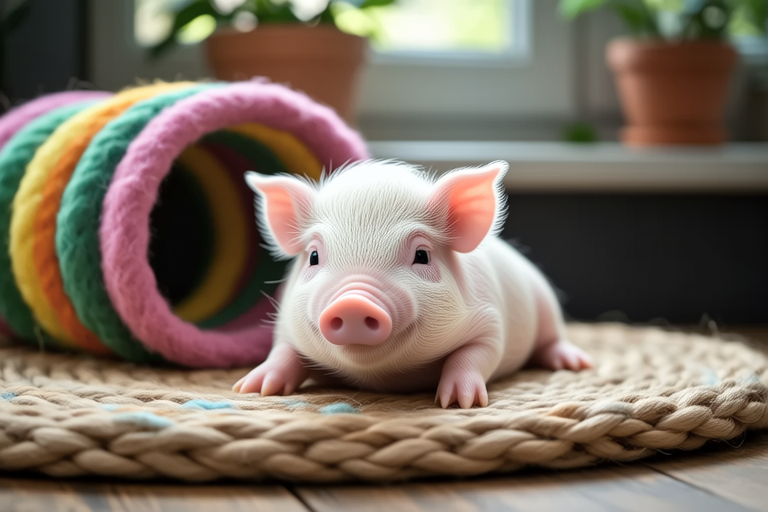
DIY Fun: Creative Ways to Enrich Your Guinea Pig’s Living Space
Welcome to the world of guinea pig care! These adorable little creatures are not just pets but companions who bring joy and laughter into our lives. However, like all animals, they require more than just food and water to thrive. In this article, we will explore creative ways to enrich your guinea pig’s living space through DIY projects that can be done with common household items. We’ll also discuss the importance of mental and physical stimulation for their well-being.
The Importance of Mental and Physical Enrichment
Mental and physical enrichment is crucial for your guinea pig’s health and happiness. A stimulating environment helps prevent boredom, reduces stress, and promotes natural behaviors. It also aids in maintaining a healthy weight and strong muscles. By providing a variety of activities and toys, you’re encouraging your pet to use its senses and engage in playful exploration.
DIY Tunnel System
One of the most exciting additions to any guinea pig habitat is a tunnel system. Tunnels provide hiding spots, encourage exercise, and stimulate curiosity. You can create a simple tunnel using cardboard tubes from paper towels or toilet paper. Cut the tubes to various lengths and connect them using tape or staples. For a sturdier option, consider using PVC pipes or plastic tubes designed for plumbing.
Arrange the tunnels in a maze-like structure, ensuring there are no sharp edges or small openings that could trap your guinea pig. Add some twists and turns to make it more challenging and fun. You can even place a small treat at the end of the tunnel as a reward for navigating the course.
Cardboard Forts
Cardboard forts are another fantastic addition to your guinea pig’s living space. They offer a cozy hideout and a place to chew on cardboard, which is essential for dental health. Start by cutting out windows and doors in a large cardboard box. Decorate the fort with colorful markers or paint (make sure any paints used are non-toxic). You can also add soft bedding inside the fort for extra comfort.
For a more elaborate setup, stack multiple boxes to create multi-level forts. Connect them using tunnels or bridges made from smaller boxes or tubes. This creates a three-dimensional play area that mimics the complexity of their natural habitat.
DIY Exercise Wheel
Guinea pigs need regular exercise to stay healthy, and a DIY exercise wheel is a great way to provide it. While commercial wheels are available, making one yourself ensures it’s safe and appropriate for your pet. Use a sturdy wire cage door or a piece of wood as the base. Attach a running surface made from corrugated plastic or a flexible material like rubber.
Ensure the wheel is large enough for your guinea pig to stand up straight without hunching its back. The diameter should be at least 30 cm (12 inches) for standard-sized guinea pigs. Test the wheel thoroughly before introducing it to your pet to make sure it spins smoothly and doesn’t wobble.
Puzzle Feeders
Puzzle feeders are an excellent way to keep your guinea pig mentally engaged while eating. These devices require your pet to work for its food, promoting problem-solving skills and preventing overeating. You can create simple puzzle feeders using empty plastic containers or egg cartons.
Cut small holes in the container or carton and fill it with pellets or treats. Make sure the holes are large enough for your guinea pig to access the food but small enough that it needs to use its nose and paws to retrieve it. Rotate the type of puzzle feeder regularly to keep things interesting and challenge your pet’s cognitive abilities.
Interactive Toys
In addition to tunnels and forts, interactive toys can greatly enhance your guinea pig’s living space. Look for toys that promote chewing, digging, and foraging, such as wooden blocks, hay balls, or small baskets filled with hay. These toys not only provide entertainment but also help maintain your guinea pig’s dental health by allowing them to gnaw on materials that naturally wear down their teeth.
Another fun idea is to create a digging pit using a shallow tray filled with clean sand or soil. Place the tray in a corner of the habitat where your guinea pig can dig and burrow to its heart’s content. Be sure to supervise your pet during playtime to ensure safety.
Creating a Safe Environment
While it’s important to provide stimulating activities, safety must always come first. When selecting materials for DIY projects, choose items that are non-toxic and free from sharp edges or small parts that could pose a choking hazard. Regularly inspect all toys and structures for signs of wear and tear, replacing anything that shows damage.
Ensure that the living space has adequate ventilation and is kept clean to prevent respiratory issues. Provide plenty of fresh water and hay, along with a balanced diet of pellets and fresh vegetables. Regular interaction and playtime with you are also vital components of a happy and healthy guinea pig.
Encouraging Exploration
To encourage exploration, set up obstacles within the habitat. Use items like cardboard boxes, tubes, and tunnels to create pathways and hiding spots. Introduce new elements gradually to allow your guinea pig time to adjust and become comfortable with the changes.
Consider rotating toys and accessories periodically to maintain interest and provide variety. This keeps the environment fresh and exciting, preventing boredom and promoting continued engagement.
Final Thoughts
By incorporating these DIY ideas into your guinea pig’s living space, you’re providing an enriched environment that supports both physical and mental well-being. Remember, the key to a happy and healthy guinea pig is a combination of proper care, nutrition, and stimulation. With a little creativity and effort, you can create a vibrant home that brings joy to both you and your furry friend.
