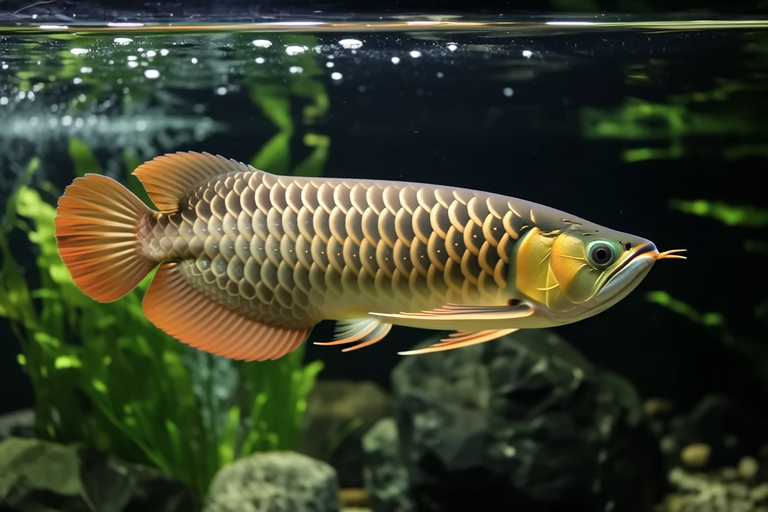
Top Secrets to Keeping Your Arowana Healthy and Happy
Arowanas are some of the most fascinating and majestic fish that can be kept in aquariums. Originating from the Amazon River Basin, Southeast Asia, and Africa, these creatures have become popular among hobbyists for their striking appearance and unique behaviors. However, keeping an arowana healthy and happy requires specific care and attention to detail. This article will guide you through the top secrets to maintaining your arowana’s health and happiness, covering optimal tank setup, water quality maintenance, suitable diet, disease prevention, and behavioral enrichment.
Optimal Tank Setup
The first step in ensuring your arowana’s well-being is providing an appropriate living environment. Arowanas are large, active fish that require ample space to swim and explore. For a single adult arowana, a minimum tank size of 300 gallons (1,136 liters) is recommended. Larger tanks, such as 400 gallons (1,514 liters) or more, are ideal for multiple arowanas or when considering future growth. The tank should be long rather than tall, allowing the fish to swim horizontally, which suits their natural behavior.
In addition to size, the tank setup should include plenty of open swimming space and hiding spots. Floating plants or driftwood can provide both cover and enrichment. It’s important to avoid overcrowding the tank with decorations, as arowanas need room to swim freely. The substrate can be fine gravel or sand, but ensure it does not contain sharp edges that could harm the fish.
Proper filtration is crucial for maintaining water quality. A high-quality external canister filter or sump system is recommended. These filters help maintain water clarity and remove harmful substances like ammonia, nitrite, and nitrate. Additionally, ensure the filter has a strong flow rate to prevent stagnant areas within the tank. Arowanas are sensitive to poor water conditions, so regular monitoring of water parameters is necessary.
Water Quality Maintenance
Water quality is one of the most critical factors in keeping your arowana healthy. Arowanas thrive in slightly acidic to neutral water with a pH range of 6.5 to 7.5. The water hardness should be between 5 and 15 dGH, and the temperature should be maintained between 78°F and 84°F (25°C to 29°C). Regular water changes are essential for maintaining optimal water conditions. Aim for weekly partial water changes of 10% to 20%, depending on the tank’s bio-load.
Testing the water regularly for ammonia, nitrite, and nitrate levels is also vital. Ammonia and nitrite should always read zero, while nitrate levels should be kept below 20 ppm. If nitrate levels rise above this threshold, increase the frequency of water changes. Proper aeration is necessary to maintain oxygen levels in the water, especially during warmer months. Consider adding an air stone or power head to improve circulation and oxygenation.
Suitable Diet
Arowanas are carnivorous fish with a preference for live or frozen foods. Their diet should consist primarily of high-quality, nutrient-rich options such as feeder fish, shrimp, earthworms, and bloodworms. While feeder fish can be used occasionally, it’s best to limit their use due to potential parasites and diseases. Instead, opt for frozen foods that are nutritionally balanced and free from contaminants.
Feeding arowanas once or twice daily is sufficient, but avoid overfeeding, as excess food can pollute the water. Provide only what the fish can consume within five minutes. Supplementing their diet with vitamin-rich foods, such as spirulina flakes or pellets, can help ensure they receive all necessary nutrients. Some aquarists also offer occasional treats, like small pieces of lean, unseasoned fish or prawns, but these should be given sparingly.
Disease Prevention
Preventing diseases is key to maintaining your arowana’s health. Quarantine any new fish before introducing them to the main tank to avoid bringing in pathogens. Keep the tank clean and well-maintained to minimize stress on the fish, which can weaken their immune systems. Regular water changes and proper filtration play a significant role in preventing bacterial and fungal infections.
It’s also important to monitor your arowana’s behavior and appearance for signs of illness. Common symptoms include loss of appetite, lethargy, discolored patches, or frayed fins. If you notice any of these signs, isolate the affected fish in a hospital tank and consult a veterinarian specializing in exotic fish. Early detection and treatment are crucial for successful recovery.
Behavioral Enrichment
Providing enrichment activities for your arowana can enhance its quality of life and stimulate natural behaviors. Arowanas are intelligent fish that enjoy exploring their environment. Incorporate floating objects, such as cork branches or leafy plants, to encourage natural hunting behaviors. You can also introduce interactive toys, like puzzle feeders, to keep your arowana mentally stimulated.
Another way to enrich your arowana’s environment is by creating a varied landscape. Use driftwood, rocks, and caves to create interesting structures within the tank. These features provide hiding spots and encourage exploration. Additionally, consider incorporating a shallow area where the arowana can surface and breathe air, mimicking its natural habitat. This behavior, known as aerial respiration, allows the fish to gulp air at the water’s surface, which is particularly beneficial during periods of low oxygen levels.
Conclusion
Keeping your arowana healthy and happy requires dedication and attention to detail. By providing an optimal tank setup, maintaining excellent water quality, offering a suitable diet, preventing diseases, and promoting behavioral enrichment, you can ensure your arowana thrives in captivity. Remember that each arowana is unique, so pay close attention to its individual needs and preferences. With proper care and commitment, you can enjoy the beauty and grace of these magnificent fish for years to come.
