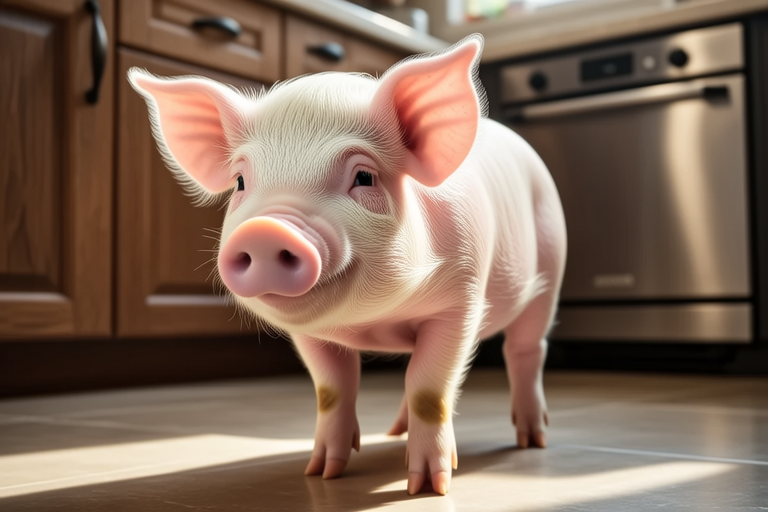
Everything You Didn’t Know About Raising Mini Pigs at Home
Welcome to the wonderful world of mini pigs! These delightful creatures have captured the hearts of many pet lovers. Mini pigs, also known as teacup, micro, or pot-bellied pigs, have become increasingly popular as pets over the years. They are intelligent, social animals that can make great companions when properly cared for. In this article, we will explore everything you need to know about raising mini pigs at home.
The Origins and Characteristics of Mini Pigs
Mini pigs originated from Southeast Asia, specifically Vietnam, where they were domesticated for meat production. Over time, selective breeding has resulted in smaller breeds, leading to the development of mini pigs. These miniature versions of their larger counterparts retain many of the same traits but on a smaller scale. Mini pigs are known for their intelligence, curiosity, and sociability. They are highly trainable and can learn tricks and commands, making them excellent companions for those who enjoy interactive pets.
Common Misconceptions About Their Size and Care
One of the most common misconceptions about mini pigs is their size. Many people believe that mini pigs stay tiny throughout their lives, but this is far from the truth. While some mini pigs may remain small, others can grow to be quite large, weighing up to 75 pounds or more. It’s essential to research the specific breed you’re interested in to understand its typical adult size.
Another misconception is that mini pigs require minimal care. In reality, mini pigs have specific dietary needs, exercise requirements, and grooming practices that must be met to ensure their well-being. Proper care involves providing a balanced diet, regular exercise, and attention to their mental and emotional needs.
Necessary Living Space Requirements
When it comes to housing your mini pig, it’s crucial to provide ample space. Mini pigs are active animals that need room to move around freely. A suitable living area should include a sheltered sleeping area, a designated potty area, and enough space for daily activities. The living space should be safe, with no sharp objects or toxic plants that could harm your pig.
In addition to indoor space, mini pigs benefit from outdoor access. An enclosed yard provides them with fresh air, sunlight, and opportunities for natural behavior such as rooting and exploring. Ensure the yard is secure to prevent your pig from escaping and protect it from predators.
Dietary Needs and Feeding Tips
Mini pigs have specific dietary needs to maintain their health and prevent obesity. A balanced diet includes high-quality pig feed, fresh vegetables, fruits, and limited amounts of grains. Avoid feeding your pig table scraps, as they can lead to digestive issues and obesity. It’s important to consult with a veterinarian or animal nutritionist to develop a feeding plan tailored to your pig’s age, weight, and activity level.
Feeding tips include dividing meals into multiple portions throughout the day, rather than providing one large meal. This approach mimics their natural grazing habits and helps regulate their metabolism. Additionally, always provide fresh water in a clean bowl, ensuring your pig stays hydrated.
Grooming and Hygiene Practices
Grooming is an essential part of caring for your mini pig. Regular brushing helps remove loose hair and keeps their coat healthy. Bathing should be done infrequently, as excessive bathing can strip their skin of natural oils. Use a mild shampoo specifically formulated for pigs, and thoroughly rinse to avoid any residue.
Maintaining good hygiene also involves keeping their living area clean. Regularly clean their sleeping area, potty area, and any toys or bedding they use. This helps prevent the buildup of bacteria and odors, promoting a healthier environment for your pig.
Exercise Routines
Regular exercise is vital for mini pigs to maintain their physical and mental health. Daily walks or playtime in a secure area allow them to burn off energy and stimulate their minds. Interactive toys, such as puzzles or treat-dispensing devices, can also provide mental stimulation. However, be mindful of the intensity and duration of exercise, as mini pigs can easily overheat or become fatigued.
Behavioral Training Methods
Training your mini pig is an enjoyable way to strengthen your bond and teach them desirable behaviors. Positive reinforcement techniques, such as treats and praise, are effective methods for teaching commands and tricks. Consistency is key in training; use the same words and actions each time to help your pig understand what is expected of them.
It’s important to address any unwanted behaviors early on. Redirecting attention to appropriate activities and reinforcing desired behaviors can help prevent the development of bad habits. Patience and persistence are essential in training, as it may take time for your pig to fully grasp new concepts.
Potential Health Issues and How to Prevent Them
Like all animals, mini pigs are susceptible to various health issues. Common conditions include obesity, dental problems, respiratory infections, and skin disorders. To prevent these issues, provide a balanced diet, regular exercise, and routine veterinary care. Regular check-ups allow your veterinarian to monitor your pig’s health and catch any potential problems early.
Vaccinations and parasite control are also crucial in maintaining your pig’s health. Discuss with your veterinarian which vaccinations and treatments are necessary based on your pig’s lifestyle and location.
Legal Considerations for Owning Mini Pigs in Different Regions
Before bringing a mini pig into your home, it’s essential to understand the legal considerations in your area. Some regions have restrictions on owning exotic pets, while others require permits or licenses. Research local laws and regulations to ensure compliance and avoid any legal issues.
Additionally, consider the long-term commitment involved in owning a mini pig. These animals can live up to 15 years or more, so it’s important to be prepared for the financial and emotional responsibilities that come with ownership.
Personal Stories and Experiences from Owners
Many mini pig owners share their unique experiences and advice for fellow enthusiasts. One owner, Sarah, describes her mini pig, Charlie, as a loyal companion who loves to cuddle and play fetch. She emphasizes the importance of patience and consistency in training, noting that positive reinforcement works wonders. Another owner, Mike, highlights the joy his mini pig, Daisy, brings to family gatherings. He encourages new owners to invest in proper education and resources to ensure their pig’s happiness and well-being.
Raising mini pigs at home can be a rewarding experience when approached with the right knowledge and care. By understanding their origins, addressing common misconceptions, providing appropriate living spaces, meeting dietary needs, practicing good grooming and hygiene, encouraging exercise, employing effective training methods, preventing health issues, and adhering to legal considerations, you can create a loving and nurturing environment for your mini pig. Remember, every pig is unique, so tailor your approach to meet their individual needs and personality.
