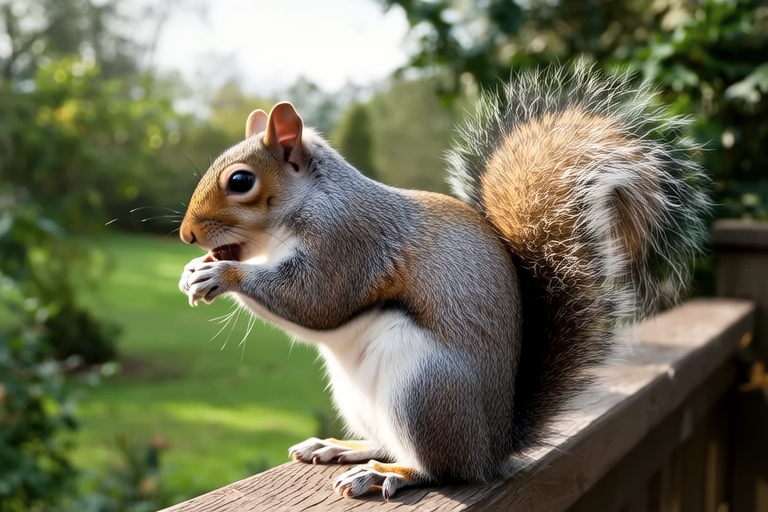
From Backyard to Balcony: How to Attract Squirrels Safely
Welcome to your guide on how to attract squirrels safely in urban environments, specifically focusing on balconies and small spaces. This article will walk you through the steps to create a welcoming habitat for these playful creatures while ensuring their safety and yours. Let’s dive into the essentials of attracting squirrels to your balcony.
Selecting Appropriate Squirrel-Friendly Plants
Attracting squirrels starts with planting the right kind of flora. Choose plants that offer food and shelter. Trees like oak, hickory, and walnut are excellent choices as they provide nuts, which are a favorite among squirrels. Bushes such as dogwood and viburnum also offer berries and seeds. These plants not only serve as food sources but also provide cover from predators and harsh weather conditions.
Native plants are particularly beneficial because they are adapted to local climates and ecosystems. They require less maintenance and are more resistant to pests and diseases. Incorporating a variety of plants can ensure a continuous supply of food throughout the year, encouraging squirrels to visit regularly.
Setting Up Feeding Stations
Feeding stations are crucial for attracting squirrels. Opt for platforms or feeders designed specifically for squirrels. These structures should be sturdy enough to withstand the squirrels’ playful antics and robust enough to prevent tipping over. Place them at least five feet off the ground to keep them out of reach of cats and other potential threats.
Provide a mix of foods such as nuts, seeds, and fruits. Avoid feeding them processed human foods as these can be harmful. It’s essential to replenish the food supply regularly to ensure squirrels have access to fresh and nutritious meals. This not only benefits the squirrels but also reduces the risk of mold and bacteria growth, which could lead to health issues.
Creating Safe Water Sources
Water is just as important as food for squirrels. Create shallow birdbaths or water dishes placed on elevated surfaces to ensure easy access. The water source should be cleaned regularly to prevent the spread of disease. Change the water every few days and scrub the dish thoroughly to maintain hygiene.
In addition to providing fresh water, consider installing a dripper or mister to mimic natural water sources like streams or waterfalls. The sound and sight of moving water can attract squirrels and other wildlife to your balcony. This setup not only quenches their thirst but also adds an element of beauty and tranquility to your outdoor space.
Providing Shelter Options
Shelter is vital for squirrels, especially during extreme weather conditions. You can construct simple nesting boxes or purchase commercially available ones. These boxes should be positioned at least six feet off the ground and away from direct sunlight to provide a cool and secure environment. Line the interior with soft materials like hay or shredded paper to make it cozy and comfortable.
If you’re working with limited space, consider vertical gardens or wall-mounted planters. These can provide additional hiding spots and nesting opportunities for squirrels. They also add greenery and aesthetic appeal to your balcony, making it a more inviting space for both humans and wildlife.
Safety Measures for Both Humans and Squirrels
While attracting squirrels can be rewarding, it’s crucial to prioritize safety. Keep pets indoors when feeding squirrels to avoid any conflicts. Ensure all structures, including feeding stations and shelters, are stable and secure to prevent accidents. Regularly inspect these areas for signs of wear and tear, and repair any damages promptly.
Maintaining hygiene around food and water areas is paramount. Clean spills immediately to prevent the attraction of other unwanted pests. Use gloves when handling food or cleaning up after squirrels to minimize the risk of disease transmission. Educate yourself about common diseases that can affect squirrels and take necessary precautions.
Observing Squirrels Ethically
Observing squirrels can be a delightful experience, but it’s essential to do so ethically. Avoid approaching them too closely, as this can stress the animals and disrupt their natural behaviors. Instead, set up a comfortable viewing area where you can watch them from a distance. Use binoculars or a camera with zoom capabilities to get a closer look without intruding.
Respect the squirrels’ privacy and limit disturbances. If you notice any unusual behavior, such as lethargy or difficulty moving, contact a local wildlife rehabilitator for guidance. Remember, the goal is to enjoy the presence of squirrels without interfering with their daily routines.
Conclusion
Bringing squirrels to your balcony can transform your urban space into a thriving ecosystem. By selecting appropriate plants, setting up feeding stations, creating safe water sources, and providing shelter options, you can create a welcoming environment for these fascinating creatures. Always prioritize safety and hygiene to ensure both the squirrels’ well-being and your own. With patience and care, you can enjoy the company of squirrels while preserving their natural behaviors.
