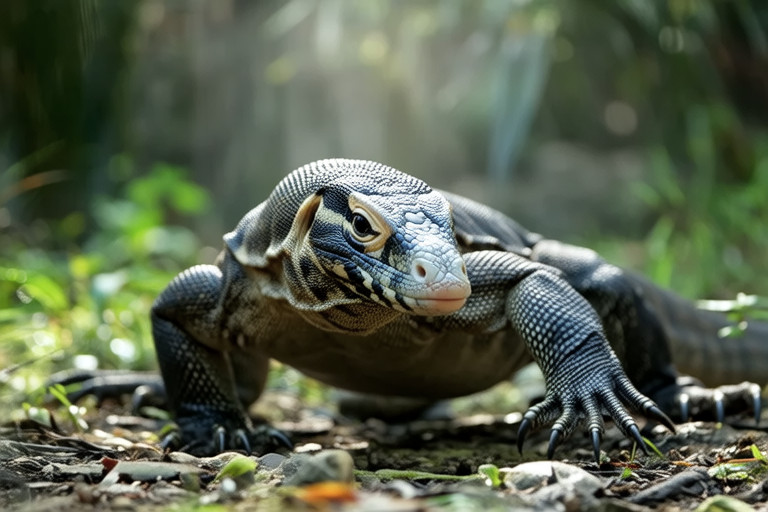
Top 10 Myths About Water Monitors Debunked: What Every Potential Owner Should Know
Welcome to a deep dive into the world of water monitors, those fascinating reptiles that capture the imagination of many. Before you decide to bring one home, it’s crucial to separate fact from fiction. This article will debunk ten common myths about water monitors, offering insights into their habitat, diet, behavior, and care requirements. By the end, you’ll have a clearer understanding of what it takes to own one of these incredible creatures.
Myth 1: Water Monitors Can Be Kept as Pets for Life
Myth: Many believe that water monitors can be kept as pets for life, similar to other reptiles like bearded dragons or corn snakes.
Reality: Water monitors (Varanus salvator) can live up to 20 years in captivity, but they grow rapidly and require significant space. They can reach lengths of 7 feet or more, making them unsuitable for most homes. Dr. David Zweig, a herpetologist at the University of California, advises, “These animals need large enclosures with plenty of room to move around and swim. As they grow, their needs increase exponentially.” The average house cannot provide the necessary environment for such a large animal.
Practical Advice: If you’re considering a water monitor, ensure you have the space and resources for its entire lifespan. Research local facilities where you can surrender your pet if you can no longer care for it. It’s also wise to consider smaller, easier-to-care-for reptiles before committing to a water monitor.
Myth 2: Water Monitors Are Easy to Handle
Myth: Some think that because water monitors are reptiles, they are docile and easy to handle.
Reality: While water monitors are generally shy and avoid confrontation, they can become aggressive when threatened or improperly handled. Their powerful jaws and sharp claws make handling risky. Dr. Zweig notes, “They are wild animals first and foremost. Their natural instincts can kick in at any moment, leading to unpredictable behavior.” Handling a water monitor requires experience and caution.
Practical Advice: Always approach your water monitor calmly and slowly. Never corner or provoke it. If you’re new to reptile ownership, start with less challenging species and gradually build your skills before attempting to handle a water monitor.
Myth 3: Water Monitors Can Thrive in Any Aquatic Environment
Myth: There’s a misconception that water monitors can adapt to any aquatic setting.
Reality: Water monitors are semi-aquatic, meaning they spend part of their time in water and part on land. They require both environments to thrive. Dr. Zweig explains, “In the wild, they often live near rivers, swamps, and mangroves. These areas offer both basking spots and swimming opportunities. In captivity, replicating this dual habitat is essential.” A shallow pool of clean, dechlorinated water and a spacious land area are necessary.
Practical Advice: Invest in a large enclosure that provides ample space for swimming and basking. Ensure the water is clean and maintained properly. Regular water changes and filtration systems are crucial to prevent health issues.
Myth 4: Water Monitors Only Need a Few Feasts a Week
Myth: Some believe that feeding a water monitor a few times a week is sufficient.
Reality: Water monitors have high metabolisms and require frequent meals. Younger monitors eat more often than adults. Dr. Zweig states, “A healthy water monitor should be fed daily or every other day, depending on age. Their diet should consist of a variety of proteins, including rodents, fish, insects, and occasionally eggs.” Overfeeding can lead to obesity, while underfeeding can result in malnutrition.
Practical Advice: Monitor your pet’s weight and adjust feeding schedules accordingly. Consult with a veterinarian specializing in reptiles for personalized dietary recommendations. Avoid overfeeding, as it can lead to health problems.
Myth 5: Water Monitors Don’t Need UVB Lighting
Myth: There’s a belief that water monitors don’t need UVB lighting since they spend time in water.
Reality: UVB lighting is essential for all reptiles, including water monitors. It helps them synthesize vitamin D3, which is vital for calcium absorption and overall bone health. Dr. Zweig clarifies, “Even though they spend time in water, they still need exposure to UVB light. Without it, they can develop metabolic bone disease, leading to weakened bones and deformities.” Providing adequate UVB lighting is non-negotiable.
Practical Advice: Install full-spectrum UVB lighting in your monitor’s enclosure. Replace bulbs every six months, even if they still appear functional. Ensure the monitor has access to direct sunlight if possible, but always supervise to prevent overheating or escape.
Myth 6: Water Monitors Are Low-Maintenance Pets
Myth: Some think that once set up, water monitors are low-maintenance pets.
Reality: Water monitors require constant attention to their environment, diet, and health. Dr. Zweig emphasizes, “Maintaining water quality, monitoring temperature and humidity levels, and ensuring proper nutrition are just some of the ongoing tasks. Neglecting any aspect can lead to serious health issues.” Owning a water monitor is a long-term commitment that demands diligence.
Practical Advice: Develop a routine for cleaning, feeding, and checking your monitor’s health. Stay informed about the latest care techniques and be prepared to invest time and effort into your pet’s well-being.
Myth 7: Water Monitors Are Harmless to Humans
Myth: Some people believe that water monitors are harmless to humans.
Reality: While water monitors are generally not aggressive towards humans, they can bite or scratch if provoked. Dr. Zweig warns, “Their bites can be painful and potentially dangerous due to bacteria in their mouths. Always respect their space and avoid unnecessary handling.” Additionally, their powerful tails can be used as defensive weapons.
Practical Advice: Keep your distance and never handle your monitor unless absolutely necessary. If bitten, seek medical attention promptly. Educate yourself and others about proper reptile safety practices.
Myth 8: Water Monitors Are Suitable for First-Time Reptile Owners
Myth: There’s a belief that water monitors are suitable for first-time reptile owners.
Reality: Water monitors are complex animals that require specialized care. Dr. Zweig advises, “Their unique needs, including a dual habitat and specific dietary requirements, make them unsuitable for beginners. Experience with reptile care is highly recommended before considering a water monitor.” New owners may struggle with the initial setup and ongoing maintenance.
Practical Advice: Gain experience with simpler reptile species before taking on a water monitor. Join reptile enthusiast groups to learn from experienced owners and ask questions. Consider adopting an established adult monitor from a reputable breeder.
Myth 9: Water Monitors Can Survive in Small Enclosures
Myth: Some believe that water monitors can survive in small enclosures.
Reality: Water monitors need large enclosures to accommodate their size and activity level. Dr. Zweig points out, “An enclosure too small can cause stress and health problems. A juvenile monitor requires at least a 55-gallon tank, while an adult needs a custom-built enclosure of several hundred gallons.” Proper space allows for exercise and mental stimulation.
Practical Advice: Invest in a spacious enclosure that meets your monitor’s needs. Plan for expansion as your pet grows. Ensure the enclosure is secure to prevent escapes.
Myth 10: Water Monitors Are Quiet and Unobtrusive
Myth: Some think that water monitors are quiet and unobtrusive pets.
Reality: Water monitors are active and can be noisy. Dr. Zweig comments, “They may vocalize, especially during feeding or when stressed. Their movements can also be loud, particularly when swimming or climbing. While not as disruptive as some pets, they are far from silent.” Their presence can be noticeable in a household.
Practical Advice: Be aware of your monitor’s noise level and activity patterns. Choose a location for the enclosure that won’t disturb others. Consider soundproofing measures if necessary.
Owning a water monitor is a rewarding but demanding responsibility. By debunking these myths, we hope to provide clarity and realistic expectations for potential owners. Remember, these animals are wild creatures with specific needs. If you’re committed to providing the best care, a water monitor can be a fantastic addition to your family. However, always proceed with caution and thorough research. Happy petting!
