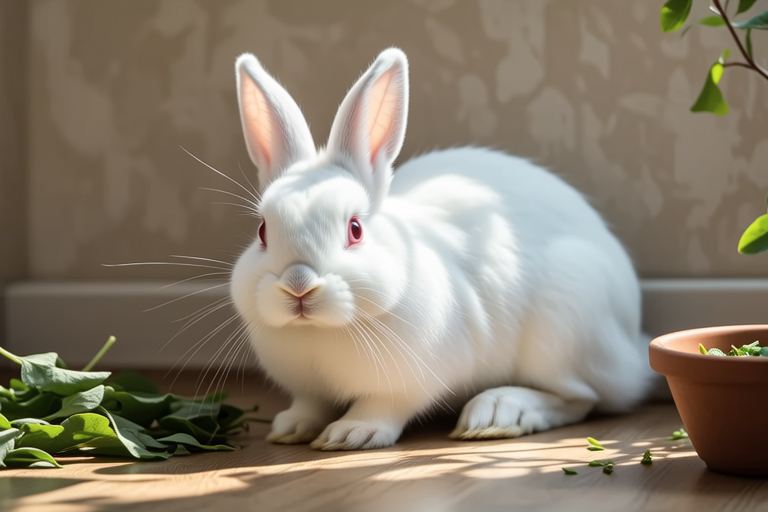
Living with a Dutch Dwarf Rabbit: Tips for First-Time Owners
Welcome to the wonderful world of Dutch Dwarf Rabbits! These charming, compact creatures are beloved by many for their unique personalities and delightful antics. If you’re considering adopting one or already have a Dutch Dwarf Rabbit at home, this guide will provide you with all the information you need to ensure your pet lives a happy, healthy life.
Introduction to Dutch Dwarf Rabbits
Dutch Dwarf Rabbits are one of the smallest breeds of domestic rabbits, typically weighing between 2 to 2.5 pounds. They are known for their distinctive coloring, featuring a white body with contrasting colored ears, face, and back. Their small size makes them ideal pets for apartments and smaller homes. Despite their tiny stature, they are full of energy and personality, making them a joy to have around.
Dietary Needs
Proper nutrition is crucial for the well-being of your Dutch Dwarf Rabbit. Their diet should primarily consist of hay, which aids in digestion and dental health. Fresh vegetables can be offered in moderation as treats. It’s important to introduce new foods gradually to prevent digestive upset. Avoid feeding them sugary fruits or excessive carbohydrates, as these can lead to obesity and other health problems.
Housing Requirements
Adequate living space is essential for your rabbit’s happiness and health. A cage or hutch should be large enough for your rabbit to stretch out fully and stand up on its hind legs without touching the top. The floor should be solid to prevent sore hocks, a painful condition caused by wire-bottomed cages. Additionally, provide plenty of bedding material such as hay or straw for comfort and warmth. Regular cleaning of the enclosure is necessary to maintain hygiene and prevent odor.
Grooming Tips
Dutch Dwarf Rabbits require minimal grooming compared to some other animals, but regular brushing helps keep their coat clean and free from mats. Bathing is generally unnecessary unless your rabbit gets particularly dirty. Trim their nails every few weeks to avoid overgrowth, which can cause discomfort. Pay attention to their teeth, ensuring they are not overgrown; if they are, consult a veterinarian.
Exercise Essentials
Rabbits are active animals that need regular exercise to stay healthy. In addition to their living space, provide a safe area for them to explore and play. This could be a room in your house or a fenced outdoor area, depending on your circumstances. Always supervise your rabbit during playtime to ensure their safety. Toys and tunnels can also stimulate their minds and provide entertainment.
Common Health Issues
Like any pet, Dutch Dwarf Rabbits can face certain health challenges. Common issues include dental problems, respiratory infections, and gastrointestinal stasis. Regular veterinary check-ups are vital to catch potential issues early. Vaccinations against common diseases are also recommended. Being attentive to changes in behavior or physical appearance can help identify problems before they become serious.
Bonding and Training
Building a strong bond with your rabbit takes time and patience. Spend quality time with your rabbit daily, allowing it to get used to your presence. Gently handle your rabbit to make it comfortable with being held. Positive reinforcement can be used during training sessions, rewarding good behavior with treats or praise. Teaching basic commands like coming when called can enhance the relationship between you and your pet.
Social Behavior and Interaction with Humans
Dutch Dwarf Rabbits are social animals that thrive on interaction. They enjoy the company of both humans and other rabbits. Introducing a second rabbit can provide companionship and reduce loneliness. However, it’s important to properly introduce new rabbits to avoid conflicts. Rabbits can also form close bonds with their human caregivers, showing affection through nuzzling, licking, and following you around.
Conclusion: Resources for Further Learning and Support
As a first-time owner, it’s natural to have questions and concerns. There are numerous books, articles, and forums available for additional guidance. Local animal shelters and rescue organizations often offer workshops and seminars on rabbit care. Joining online communities dedicated to rabbit lovers can also connect you with experienced owners who share valuable tips and advice. Remember, your veterinarian is always a reliable source of information and support.
