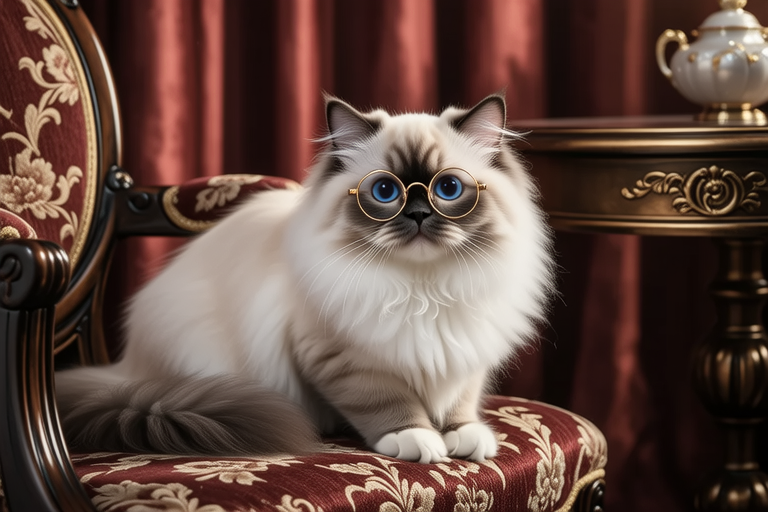
Unveiling the Luxurious Life of a Persian Cat: A Look Inside
The Persian cat, with its striking appearance and dignified demeanor, has long been admired for its elegance and regality. These felines have captivated hearts for centuries, embodying grace and sophistication. Known for their plush coats and expressive eyes, Persian cats are a symbol of luxury and refinement. Their history is as rich as their fur, tracing back to ancient Persia and evolving through meticulous breeding to become one of the most beloved cat breeds today.
Origins and Historical Significance
The origins of the Persian cat can be traced back to ancient Persia, now modern-day Iran. They were first introduced to Europe in the 17th century via caravans traveling along the Silk Road. The breed’s initial popularity was due to their distinct appearance, which was seen as exotic and elegant. Over time, selective breeding refined the Persian cat’s features, enhancing their already impressive looks. By the mid-19th century, Persian cats were a staple in European royal courts and high society, becoming a symbol of wealth and status.
Today, the Persian cat continues to hold a special place in the hearts of cat enthusiasts. Their lineage is marked by careful breeding practices that have preserved their unique characteristics while improving their overall health and well-being. This dedication to breeding excellence has resulted in a breed that not only looks stunning but also possesses a gentle and affectionate temperament.
Physical Characteristics
Persian cats are known for their luxurious, long coats that require meticulous care. Their dense, silky fur comes in a variety of colors and patterns, adding to their allure. Their faces are characterized by short muzzles and large, expressive eyes, giving them a distinctive appearance. Maintaining the luxurious appearance of a Persian cat involves regular grooming to prevent matting and tangles.
Owners must commit to a daily grooming routine, which includes brushing the coat thoroughly to remove loose hair and distribute natural oils. Bathing should be done every few weeks to keep the fur clean and free from dirt. Additionally, it’s essential to trim nails regularly and clean around the eyes to prevent tear staining. Proper care not only keeps the cat looking its best but also contributes to its overall health.
Living Environment
Persian cats thrive in environments that prioritize comfort and hygiene. A quiet, calm home is ideal, providing them with a peaceful space to rest and relax. Owners should ensure that the living area is free from dust and allergens, as Persian cats are particularly sensitive to these elements. Providing comfortable bedding and soft blankets can enhance their living experience, allowing them to feel secure and cozy.
Toys and scratching posts are also essential additions to the living environment, stimulating their natural instincts and keeping them mentally and physically active. It’s important to place litter boxes in easily accessible areas, away from busy traffic zones, ensuring that the cats can use them without any stress or discomfort. Regular cleaning of the litter box is crucial to maintaining a hygienic living space for your Persian cat.
Dietary Needs
Understanding the dietary needs of Persian cats is vital for their health and longevity. High-quality commercial cat food, specifically formulated for indoor cats, is recommended to meet their nutritional requirements. These foods are designed to provide the necessary vitamins, minerals, and proteins that help maintain their shiny coats and healthy bodies. Fresh water should always be available, encouraging proper hydration.
In addition to commercial diets, occasional treats can be offered but should be given sparingly to avoid weight gain. A balanced diet, coupled with regular exercise, helps maintain a healthy weight and prevents obesity-related issues. Obesity can lead to joint problems and other health complications, so monitoring portion sizes and feeding schedules is essential. Consulting with a veterinarian can provide personalized dietary recommendations based on the individual cat’s age, activity level, and specific health needs.
Social Behaviors and Interactions
Persian cats are known for their calm and affectionate nature, making them excellent companions for those seeking a loving pet. They enjoy human interaction and often form strong bonds with their owners. While they are generally independent, they still appreciate attention and enjoy being part of family activities. Creating a positive relationship with your Persian cat involves spending quality time together, engaging in play, and offering gentle affection.
To build a strong bond, consider incorporating interactive toys and games that stimulate their minds and bodies. Patience and consistency are key when introducing new routines or training methods. Persian cats respond well to gentle handling and positive reinforcement, making training sessions enjoyable for both owner and cat. Understanding their social behaviors and providing appropriate outlets for their energy will ensure a harmonious and fulfilling relationship.
Health Considerations
Like all purebred cats, Persian cats are prone to certain health conditions. Respiratory issues are common due to their flattened faces, which can make breathing more challenging. Regular veterinary check-ups are essential to monitor respiratory function and address any concerns early. Dental health is another critical aspect, as Persian cats are susceptible to periodontal disease. Daily tooth brushing and professional dental cleanings can help maintain oral hygiene.
Obesity is a prevalent issue among Persian cats, primarily due to their sedentary lifestyle. Encouraging regular exercise through playtime and providing opportunities for physical activity can help manage weight and improve overall health. Genetic predispositions may also lead to kidney disease, heart murmurs, and polycystic kidney disease. Early detection and management of these conditions can significantly impact the cat’s quality of life.
Preventive measures such as regular vaccinations, flea control, and parasite prevention are vital for maintaining good health. Annual vet visits allow for comprehensive health assessments, including blood tests, urinalysis, and imaging studies. By staying proactive about health care, owners can ensure that their Persian cats live long, happy, and healthy lives.
In conclusion, the luxurious life of a Persian cat is a testament to centuries of breeding and care. From their origins in ancient Persia to their current status as cherished companions, these cats continue to enchant and delight. With proper care, attention, and love, Persian cats can thrive in their living environments, enjoying a life filled with comfort, companionship, and joy. For those considering adopting a Persian cat, understanding their unique needs and dedicating oneself to their well-being will result in a rewarding and enriching experience for both the cat and its owner.
