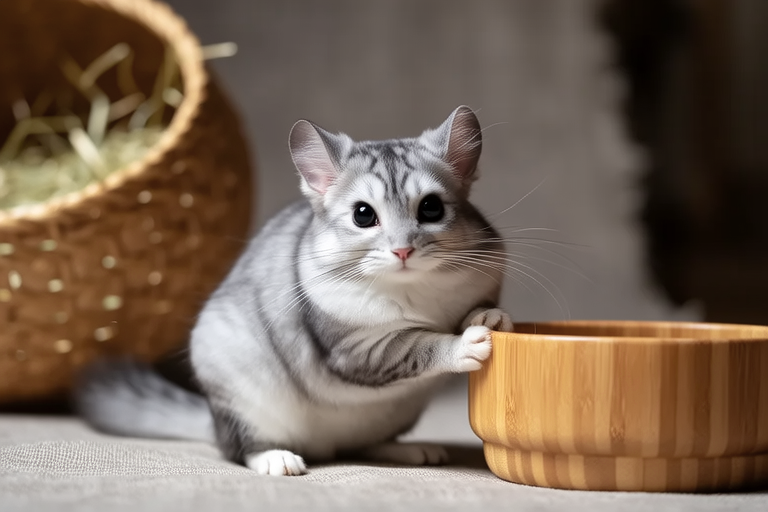
From Andes to Your Home: How to Successfully Adopt a Chinchilla
Welcome to the fascinating world of chinchillas! Originating from the high altitudes of the Andes Mountains in South America, these small, furry creatures have captivated humans for centuries with their soft, luxurious fur and playful demeanor. In this comprehensive guide, we will explore everything you need to know about adopting a chinchilla, from understanding their unique origins to setting up the perfect habitat and ensuring they thrive in their new home.
The Origins of Chinchillas
Chinchillas hail from the rugged Andes Mountains, where they inhabit rocky terrains at elevations between 3,000 and 5,000 meters above sea level. These regions offer cool temperatures, sparse vegetation, and plenty of crevices and caves for shelter. Adapted to this harsh environment, chinchillas have developed thick, dense coats that protect them from the cold and harsh winds. Their natural habitat has significantly influenced their behavior and care requirements, making it essential for owners to recreate similar conditions at home.
Unique Care Requirements
Diet
Feeding your chinchilla properly is crucial for their health. A balanced diet primarily consists of hay, which should be freely available at all times. Timothy hay is particularly recommended due to its nutritional benefits. Additionally, provide a high-quality chinchilla pellet mix designed specifically for their dietary needs. Avoid feeding them seeds or nuts, as these can lead to obesity and other health issues. Fresh water must also be provided daily, preferably in a sipper bottle to prevent contamination.
Habitat Setup
Creating a suitable living space is key to keeping your chinchilla happy and healthy. Start by choosing a spacious cage, ideally at least 4 feet wide, 2 feet deep, and 2 feet tall. The cage should have multiple levels to allow for climbing and jumping. Wire flooring is preferred over solid surfaces to prevent foot problems. Line the cage with dust-free bedding material such as recycled paper or wood shavings. Avoid cedar and pine shavings, as they can irritate your chinchilla’s respiratory system.
In addition to the basic setup, include plenty of toys and tunnels for mental stimulation. Chinchillas love to chew, so providing safe, untreated wood or cardboard toys is essential for dental health. A dust bath box filled with chinchilla-specific dust is also necessary for grooming. Ensure that the cage is placed in a quiet area away from direct sunlight and drafts.
Temperature Control
Chinchillas are highly sensitive to heat, and excessive warmth can lead to overheating, dehydration, and even death. It’s vital to maintain a cool environment, ideally between 60 and 70 degrees Fahrenheit (15 to 21 degrees Celsius). Avoid placing the cage near windows, radiators, or other heat sources. During warmer months, use air conditioning or fans to keep the room temperature comfortable. Always monitor the temperature closely and take appropriate measures if it rises too high.
The Adoption Process
Adopting a chinchilla involves careful consideration and research to ensure you bring home a healthy, well-adjusted pet. Here’s how to proceed:
- Research Reputable Breeders or Shelters: Look for breeders who prioritize the health and well-being of their animals. Check for reviews and ask questions about breeding practices, diet, and habitat conditions. Local animal shelters may also have chinchillas available for adoption, offering a chance to rescue and provide a loving home to a deserving pet.
- Meet the Chinchilla: Spend time with your prospective chinchilla to observe its behavior and temperament. Ensure it appears active, alert, and responsive. Healthy chinchillas have clear eyes, clean ears, and a glossy coat.
- Health Check: Before bringing your chinchilla home, consult a veterinarian experienced with exotic pets. They can perform a thorough check-up and provide guidance on vaccinations and preventative care.
Acclimating Your New Chinchilla
Introducing a new chinchilla to its home environment requires patience and gentle handling. Here are some tips to help ease the transition:
- Create a Comfort Zone: Set up a quiet, familiar area in your home where your chinchilla can feel secure. This could be a small room or a section of a larger one, equipped with the essentials like food, water, and a dust bath.
- Gradual Introduction: Allow your chinchilla time to explore its new surroundings at its own pace. Offer treats and gentle interaction to build trust.
- Establish Routines: Create a consistent schedule for feeding, playtime, and handling. Routine helps chinchillas feel secure and reduces stress.
Maintaining a Healthy Relationship
To maintain a strong bond with your chinchilla, focus on meeting its social and enrichment needs:
Social Needs
Chinchillas are naturally social animals and enjoy companionship. If possible, adopt a pair of chinchillas to keep each other company. However, always supervise interactions, especially when introducing new animals. Regular handling and gentle play sessions can also strengthen your bond with your chinchilla.
Enrichment Activities
Provide opportunities for mental and physical stimulation to keep your chinchilla engaged. Rotate toys periodically to prevent boredom. Consider introducing puzzle feeders or treat-dispensing toys that encourage problem-solving skills. Supervised outdoor playtimes in a safe, enclosed area can also be beneficial, allowing your chinchilla to experience new environments and stimuli.
By following these guidelines, you can ensure your chinchilla thrives in its new home, enjoying a long and healthy life filled with love and companionship. Remember, adopting a chinchilla is a commitment that requires dedication and care. With the right knowledge and approach, you can provide a wonderful life for your new furry friend.
