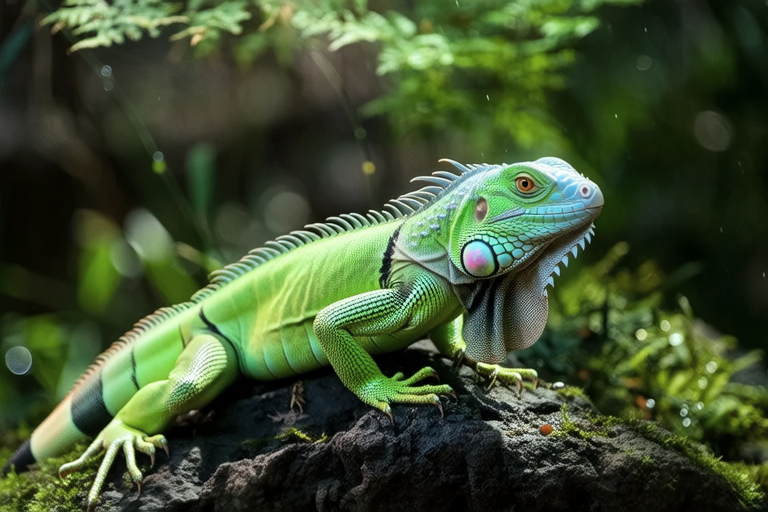
Splendid Japalure: Unveiling the Secrets Behind Its Unique Charm
The world of reptiles is vast and diverse, filled with creatures that captivate our imagination with their unique appearances and behaviors. Among these fascinating animals, the Japalura stands out as a species that combines elegance with a touch of mystery. This article delves into the world of Japaluras, exploring their origins, physical characteristics, behavior, and the special bond they can form with humans. We will also discuss the care requirements, habitat needs, dietary specifics, and the historical and cultural significance of these remarkable lizards.
Origins and Physical Traits
Japaluras, scientifically known as Japalura, belong to the family Agamidae and are native to parts of Asia, particularly China, Vietnam, and Laos. These lizards are often referred to as Chinese or Asian tree agamas due to their preference for arboreal habitats. The Japalura genus comprises several species, each distinguished by its unique coloration and patterns.
One of the most striking features of Japaluras is their vibrant coloration. Depending on the species, males can display a wide range of hues, from deep blues and greens to bright reds and oranges. Females, while equally beautiful, tend to have more subdued colors. Their bodies are slender, perfectly adapted for life among the trees. They possess long tails, which serve as both a means of balance and a defense mechanism. The tail can detach when threatened, allowing the lizard to escape predators and regrow it later.
Japaluras also have large, expressive eyes that add to their charm. Their feet are equipped with sharp claws, enabling them to climb trees with ease. The combination of these physical attributes makes Japaluras not only visually appealing but also well-suited to their natural environments.
The Unique Charm of Japaluras
Beyond their physical beauty, Japaluras are renowned for their engaging behavior and temperament. These lizards are generally docile and can become quite tame with regular handling. They are curious creatures, often displaying a playful side when interacting with their human companions. This makes them not only interesting pets but also rewarding companions for those who enjoy watching their daily activities.
Japaluras are social animals and can thrive in pairs or small groups. They communicate through a variety of vocalizations and body language, adding another layer of interest for observers. Watching them interact with one another or explore their environment can be a delightful experience for any reptile enthusiast.
One of the most endearing aspects of Japaluras is their intelligence. They can recognize their caretakers and respond positively to gentle handling. This level of interaction makes them ideal pets for individuals looking for a reptile that can form a bond with its owner. However, it’s important to note that patience and consistency are key when building this relationship.
Care Requirements and Habitat Needs
Proper care is essential for ensuring the health and well-being of Japaluras. Their enclosures should mimic their natural habitats as closely as possible. A spacious vivarium with plenty of vertical space is ideal, allowing the lizards to climb and bask. The enclosure should include branches, rocks, and foliage to provide hiding spots and climbing opportunities.
Temperature and humidity levels are crucial factors in maintaining a healthy environment for Japaluras. They require a temperature gradient within their enclosure, with a basking spot reaching around 95°F (35°C) and cooler areas around 75°F (24°C). Humidity should be kept between 50% and 70%, which can be achieved through regular misting and the use of a humidifier.
Dietary specifics are another important aspect of Japalura care. In the wild, they are primarily insectivores, feeding on a variety of insects such as crickets, mealworms, and waxworms. In captivity, a balanced diet can be maintained by offering a mix of live insects, supplemented with calcium and vitamins. It’s advisable to gut-load the insects before feeding them to the lizards to ensure optimal nutrition.
Regular veterinary check-ups and proper hygiene practices, including cleaning the enclosure and providing fresh water, are vital for keeping Japaluras healthy and happy. Attention to these details will help prevent common health issues and ensure a long, thriving life for your pet.
Historical and Cultural Significance
The history and cultural significance of Japaluras are rich and varied. In their native regions, these lizards have been admired for centuries, often featuring in local folklore and traditional medicine. While specific myths may vary, many cultures view Japaluras as symbols of good fortune and protection. Some believe that owning a Japalura can bring prosperity and ward off evil spirits.
In addition to their cultural significance, Japaluras have also played a role in scientific research. Their unique adaptations and behaviors have fascinated biologists and herpetologists alike, contributing valuable insights into the evolution and ecology of reptiles. The study of Japaluras has helped scientists understand how these animals adapt to different environments and how they interact within their ecosystems.
The conservation status of Japaluras is a matter of concern in some areas due to habitat destruction and over-collection for the pet trade. Efforts are being made to protect these species and ensure their survival in the wild. Responsible breeding practices and sustainable sourcing of captive-bred animals are encouraged to support conservation efforts and reduce pressure on wild populations.
Advice for Potential Owners and Enthusiasts
If you’re considering adding a Japalura to your family, there are several important points to keep in mind. First and foremost, ensure that you are prepared for the commitment involved in caring for these lizards. Research thoroughly about their specific needs and make sure you can provide a suitable environment. This includes setting up the correct enclosure, maintaining appropriate temperature and humidity levels, and providing a balanced diet.
Patience is key when it comes to handling and bonding with Japaluras. Regular, gentle interactions will help build trust and strengthen the relationship between you and your pet. Be mindful of their natural behaviors and respect their boundaries. Avoid handling them too roughly or frequently, especially when they are young or stressed.
Responsible pet ownership extends beyond providing proper care. It also involves being aware of the impact your choices have on the species as a whole. Support ethical breeders and avoid purchasing wild-caught animals. By doing so, you contribute to the conservation of Japaluras and promote sustainable practices in the reptile community.
Finally, consider joining reptile forums or clubs where you can connect with other enthusiasts and share knowledge and experiences. Learning from others who have owned Japaluras can provide valuable insights and help you become a better caretaker.
In conclusion, Japaluras are truly splendid creatures, combining beauty, intelligence, and charm. Their unique physical traits, engaging behaviors, and ability to form bonds with humans make them captivating pets for reptile lovers. By understanding their care requirements, habitat needs, and dietary specifics, you can provide a fulfilling life for your Japalura. Remember to approach pet ownership responsibly and contribute to the conservation of these remarkable lizards. With proper care and attention, you can enjoy the company of a Japalura for years to come.
