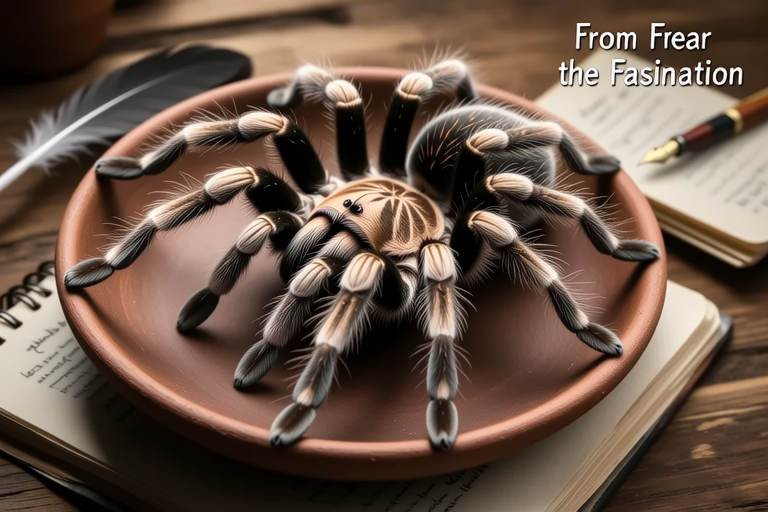
From Fear to Fascination: How I Became Best Friends with My Chilean Rose Tarantula
For as long as I can remember, spiders have been my nemesis. The mere sight of one sent shivers down my spine. My childhood was filled with tales of monstrous arachnids lurking in dark corners, waiting to pounce on unsuspecting victims. This fear was compounded by the countless movies and stories that portrayed spiders as terrifying creatures. The Chilean Rose tarantula, with its hairy legs and ominous demeanor, seemed like the epitome of everything I feared about spiders. Yet, something inexplicable happened when I decided to take the plunge and adopt a Chilean Rose tarantula. This journey transformed my fear into fascination, teaching me invaluable lessons about empathy, patience, and the wonders of nature.
The Initial Fear and Misconceptions
My fear of spiders began early in life. Every encounter was met with panic and disgust. Spiders were synonymous with danger, and the Chilean Rose tarantula, with its intimidating appearance, seemed to embody this danger. Its name alone conjured images of a fierce, aggressive creature. I had heard stories of their venomous bites and how they could attack without warning. These misconceptions were deeply ingrained, and I carried them with me into adulthood.
One day, while browsing through pet stores, I stumbled upon an enclosure housing several Chilean Rose tarantulas. Their calm demeanor contradicted the stories I had grown up hearing. They moved slowly, almost gracefully, and there was something oddly captivating about their behavior. Despite my initial hesitation, I felt an inexplicable pull towards one particular tarantula. It was smaller than the others, and its gentle movements caught my eye. Could this be the start of a new relationship? I asked myself. The thought was daunting, but also intriguing.
The Decision to Adopt
After much deliberation, I made the decision to adopt a Chilean Rose tarantula. This was not a decision taken lightly. I spent hours researching the species, reading books, watching videos, and consulting with experts. The more I learned, the more I realized how much I had misunderstood these creatures. They were not the aggressive, dangerous animals I had imagined; instead, they were fascinating beings with complex behaviors and needs.
One of the first things I discovered was that Chilean Rose tarantulas are among the most docile species of tarantulas. They are generally non-aggressive and prefer to avoid confrontation. Their venom is mild and is primarily used for subduing prey rather than defending themselves. Another surprising fact was that they are solitary creatures, living mostly alone in burrows. This meant that I would need to create a suitable habitat for my new friend, providing her with a space where she could feel safe and comfortable.
The Learning Process
Armed with newfound knowledge, I set out to create the perfect home for my tarantula. The enclosure needed to mimic her natural environment, complete with substrate, hiding spots, and proper temperature and humidity levels. I invested in a high-quality terrarium, filled it with moist coconut fiber substrate, and added a few cork bark pieces for shelter. Temperature control was crucial, so I installed a heating pad beneath one side of the enclosure to maintain the ideal warmth. Humidity levels were kept between 60% and 80%, which is essential for the tarantula’s health.
Care for a Chilean Rose tarantula involves regular feeding and cleaning. I quickly learned that these spiders are opportunistic feeders, eating insects such as crickets and mealworms. Feeding was a delicate process, requiring precision to ensure the tarantula received the right amount of food. Overfeeding could lead to obesity, while underfeeding could cause malnutrition. I also learned to handle the tarantula carefully, using tongs or tweezers to avoid stressing her. Handling was done infrequently, as too much disturbance could cause stress and potential health issues.
Observing my tarantula’s behaviors became a daily ritual. I noticed her intricate webbing and the way she rearranged her surroundings to create a cozy retreat. She was meticulous in her habits, always ensuring her space was clean and organized. Her nocturnal nature meant I often found her resting during the day, only to become active and alert at nightfall. This routine provided a sense of predictability and comfort, helping me bond with her over time.
Moments of Bonding and Understanding
The first time I successfully handled my tarantula was a pivotal moment. Initially, the idea of holding her terrified me. I was apprehensive about making any sudden movements or causing her discomfort. With gentle guidance from a friend who had experience with tarantulas, I approached her enclosure with caution. Using tongs, I gently lifted her onto a small dish, allowing her to acclimate to the new surface. Slowly, she began to explore, her legs delicately touching the edges of the dish. The experience was surreal, a stark contrast to the fear I had once felt.
As time passed, I grew more comfortable with handling her, and our interactions became more frequent. Each session was an opportunity to learn more about her behavior and preferences. I observed how she responded to different stimuli, noting her reactions to changes in lighting, temperature, and even the presence of other animals. One of the most endearing aspects of her personality was her curiosity. She would often investigate new objects placed in her enclosure, her legs twitching as she examined each item with care.
Our bond deepened as I learned to recognize her individuality. She had distinct patterns in her behavior, and I could tell when she was hungry, sleepy, or simply content. There were moments when she would remain still, seemingly lost in thought, and others when she would be active and playful. These nuances helped me understand her better, fostering a deeper connection between us. I came to realize that she was not the fearsome creature I had once imagined, but a gentle, intelligent being deserving of respect and care.
Reflections on the Rewarding Experience
The journey from fear to fascination has been nothing short of transformative. Caring for my Chilean Rose tarantula has taught me valuable lessons about patience, empathy, and the importance of challenging preconceived notions. What started as a reluctant decision to adopt has blossomed into a rewarding experience, offering unexpected companionship and a deeper appreciation for the natural world.
Reflecting on this journey, I am struck by the parallels between my relationship with my tarantula and my broader approach to life. Just as I had to overcome my fears and misconceptions about tarantulas, I have come to realize that many of the things I fear in life are often based on misunderstandings or lack of information. By taking the time to learn and understand, I have opened myself up to new experiences and perspectives.
The experience of caring for my tarantula has also instilled in me a greater sense of responsibility. I have come to appreciate the importance of providing a safe and nurturing environment for all living creatures, not just those we find familiar or appealing. This newfound appreciation extends beyond my tarantula, encompassing all aspects of my life. I have become more mindful of my actions and their impact on the world around me, striving to make choices that promote harmony and well-being.
In conclusion, my journey with my Chilean Rose tarantula has been a profound and enriching experience. It has transformed my fear into fascination, teaching me invaluable lessons about empathy, patience, and the wonders of nature. The unexpected companionship offered by my tarantula has brought joy and fulfillment to my life, reminding me of the beauty and complexity of the world we share. As I continue to care for her, I am grateful for the opportunity to learn and grow alongside her, forging a bond that transcends the boundaries of fear and misunderstanding.
