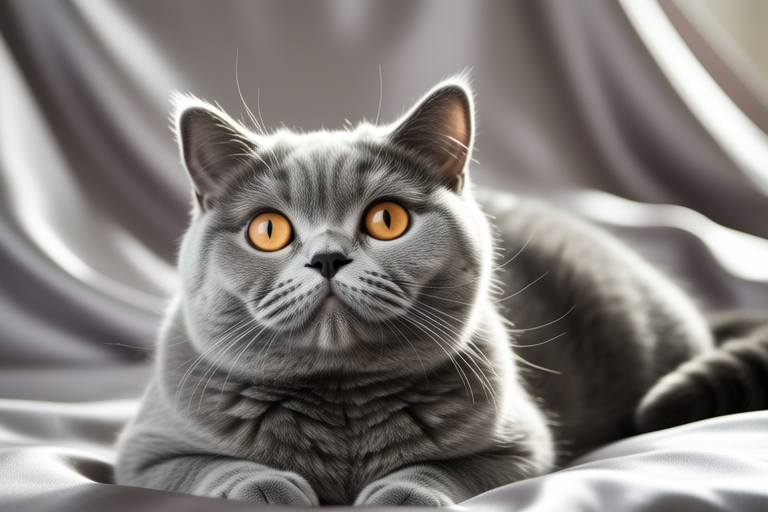
Silver British Shorthairs: The Ultimate Guide for Cat Lovers
Welcome to the world of silver British Shorthair cats, one of the most beloved and distinctive breeds among cat enthusiasts. This guide will take you through everything you need to know about these beautiful creatures, from their origins and physical attributes to their grooming needs and health concerns. Whether you’re a seasoned cat owner or considering adding a silver British Shorthair to your family, this comprehensive guide will provide valuable insights and practical advice.
Origins of the Silver British Shorthair
The history of the British Shorthair dates back centuries, with records indicating that these cats have been around since the Romans first brought them to Britain. Initially, they were used for rodent control but quickly became cherished pets due to their friendly nature and striking appearance. The silver variant, characterized by its sleek, silvery coat, has become particularly popular in recent years. This color variation is achieved through selective breeding, emphasizing the unique and elegant look of the silver British Shorthair.
Physical Attributes
Silver British Shorthairs are known for their robust and muscular build, often described as ‘cobby.’ They possess a broad chest, strong legs, and a thick tail that tapers slightly at the end. Their head is rounded with full cheeks and large, expressive eyes that can range from copper to gold, depending on the individual. The most defining feature of the silver British Shorthair is its dense, plush coat, which feels soft and luxurious to the touch. This coat comes in various shades of silver, from pale grey to a darker pewter, with occasional tabby markings that add to their charm.
Grooming Needs
Despite their thick coats, silver British Shorthairs require minimal grooming compared to many other long-haired breeds. Regular brushing once or twice a week helps remove loose fur and keeps the coat shiny and healthy. During shedding seasons, especially spring and fall, more frequent brushing may be necessary to prevent hairballs and keep your cat comfortable. Bathing is generally not required unless absolutely necessary, as these cats are naturally clean and tend to groom themselves thoroughly. Nail trimming and dental care should also be part of your regular grooming routine to ensure overall health.
Dietary Considerations
A balanced diet is essential for maintaining the health and vitality of your silver British Shorthair. High-quality commercial cat food formulated for adult cats is usually sufficient, but it’s always wise to consult with a veterinarian to determine the best nutritional plan for your pet. Look for foods rich in protein, vitamins, and minerals that support muscle development and a healthy coat. Fresh water should be available at all times, and treats should be given sparingly to avoid obesity. Special attention should be paid to maintaining a consistent feeding schedule to prevent digestive issues.
Health Issues Common to the Breed
Like all breeds, silver British Shorthairs are prone to certain health conditions. Hypertrophic cardiomyopathy (HCM), a form of heart disease, is one of the most significant concerns for this breed. Regular veterinary check-ups can help detect early signs of HCM and allow for timely intervention. Polycystic kidney disease (PKD) is another condition to watch out for, although it is less common in British Shorthairs than in some other breeds. Regular monitoring and genetic testing can help manage PKD effectively. Obesity is also a prevalent issue among indoor cats, so maintaining an active lifestyle and proper diet is crucial.
Personality Traits
Silver British Shorthairs are renowned for their calm and gentle demeanor, making them excellent companions for families and individuals alike. They are typically patient and tolerant, which makes them great with children and other pets. These cats enjoy the company of their human families but are not overly demanding, preferring to be near you rather than on top of you. They are intelligent and can learn simple commands and tricks, making training sessions both fun and rewarding. Their playful nature often peaks during their younger years, but even mature silver British Shorthairs retain a sense of curiosity and enjoyment in interactive play.
Tips for Potential Owners
If you’re considering adopting a silver British Shorthair, there are several factors to keep in mind. First, ensure you have the time and resources to provide the care and attention they need. While they are relatively independent, these cats thrive when given love and affection. Second, prepare your home for a new furry friend by creating a safe and comfortable environment. Provide plenty of toys, scratching posts, and hiding spots to keep your cat entertained and stimulated. Finally, consider adopting from a reputable breeder or rescue organization to ensure the best start for your new companion.
Creating a Safe Environment
To create a safe environment for your silver British Shorthair, start by securing any potentially hazardous items like toxic plants, small objects, and electrical cords. Install secure screens on windows and balconies to prevent accidental falls. Provide multiple levels for climbing and resting, as cats enjoy vertical spaces. A litter box should be easily accessible and cleaned regularly to encourage good hygiene habits. Lastly, invest in high-quality cat furniture and accessories that cater to your cat’s specific needs and preferences.
Training and Socialization
Training your silver British Shorthair can enhance your bond and make daily interactions more enjoyable. Positive reinforcement techniques, such as clicker training or rewarding good behavior with treats, work well with this breed. Teach basic commands like ‘come,’ ‘sit,’ and ‘stay’ to improve communication and obedience. Socializing your cat from a young age helps them adapt to different people, animals, and environments. Expose them to various stimuli gradually and consistently to build confidence and reduce anxiety.
Maintaining Mental Stimulation
To keep your silver British Shorthair mentally engaged, offer a variety of toys and activities that challenge their minds and bodies. Puzzle feeders, interactive toys, and treat-dispensing devices can provide hours of entertainment while promoting problem-solving skills. Rotate toys periodically to maintain interest and excitement. Spend quality time playing with your cat each day to strengthen your relationship and promote physical activity. Interactive games like laser pointers or feather wands can be particularly appealing to these curious felines.
Conclusion
Silver British Shorthairs are truly remarkable cats, combining stunning looks with charming personalities. By understanding their unique needs and providing appropriate care, you can ensure a happy and healthy life for your beloved pet. Whether you’re a first-time cat owner or an experienced guardian, taking the time to learn about your silver British Shorthair will deepen your connection and enrich your shared journey together.
