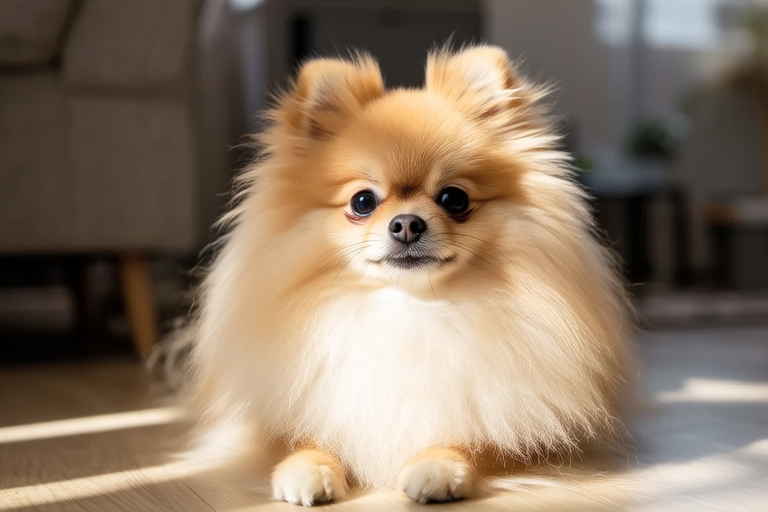
Pomeranians: The Ultimate Pocket Pal Companion
With their fluffy coats and expressive faces, Pomeranians have captured the hearts of many dog lovers around the world. Known for their vibrant personalities and affectionate nature, these pint-sized pups are the perfect companions for those seeking a loyal friend with a big heart. This article delves into the unique characteristics that make Pomeranians ideal pets, covering their history, size and appearance, temperament, care requirements, health considerations, training tips, and their role as companions.
A Brief History of Pomeranians
The origins of the Pomeranian can be traced back to the Pomerania region in Central Europe, where they were originally bred as working dogs. Over time, they were selectively bred to become smaller in size, eventually evolving into the toy breed we know today. Queen Victoria’s love for Pomeranians helped popularize the breed in the late 19th century, and they’ve been cherished ever since. Their rich history is reflected in their loyalty and intelligence, making them excellent family pets.
Size and Appearance
Pomeranians are among the smallest dog breeds, typically weighing between 3 to 7 pounds and standing about 6 to 7 inches tall at the shoulder. Despite their diminutive size, they possess a robust and sturdy build. Their signature feature is their luxurious double coat, which comes in various colors such as orange, cream, black, brown, and sable. The outer coat is long, straight, and harsh, while the undercoat is soft and dense. Regular grooming is essential to maintain their coat’s lustrous appearance and prevent matting.
Temperament: Loyal and Affectionate
Pomeranians are known for their vivacious and spirited nature. They are highly intelligent and quick to learn, making them delightful companions. These traits also mean they can sometimes be a bit stubborn, so patience is key when training. However, their loyalty and affectionate demeanor make up for any challenges. Pomeranians thrive on human interaction and form strong bonds with their families. They are often protective of their loved ones, making them excellent watchdogs despite their small size.
Care Requirements
Grooming
Due to their thick double coat, Pomeranians require regular grooming to keep their fur healthy and tangle-free. Brushing your Pomeranian at least three times a week will help remove loose hair and distribute natural oils throughout the coat. During shedding seasons, more frequent brushing may be necessary. Bathing should be done only when needed, as over-bathing can strip the coat of its natural oils. Additionally, it’s important to clean their ears and trim their nails regularly to prevent infections and discomfort.
Diet
Feeding your Pomeranian a balanced diet is crucial for maintaining their health and vitality. High-quality dog food specifically formulated for small breeds is recommended. Be cautious not to overfeed, as obesity can lead to health issues. Consult with your veterinarian to determine the appropriate portion sizes based on your dog’s age, weight, and activity level. Fresh water should always be available to ensure proper hydration.
Exercise
Despite their small size, Pomeranians are energetic and require regular exercise to stay healthy and happy. Daily walks and playtime are essential to meet their physical needs. Indoor activities like fetch or hide-and-seek can also be great ways to engage your Pomeranian mentally and physically. It’s important to note that Pomeranians are prone to heat exhaustion, so outdoor activities during hot weather should be limited.
Health Considerations
While Pomeranians generally enjoy good health, they are susceptible to certain genetic conditions. Responsible breeding practices can help minimize the risk of inherited disorders. Some common health concerns include luxating patella (dislocated kneecap), tracheal collapse, hypothyroidism, and dental problems. Regular veterinary check-ups are vital to catch and address any health issues early on. Maintaining a healthy lifestyle through proper diet and exercise can further promote longevity and well-being.
Training Tips
Training your Pomeranian from an early age is essential for establishing good behavior and obedience. Positive reinforcement techniques, such as treats and praise, work best for this breed. Consistency is key; use the same commands and rewards every time to avoid confusion. Socialization is equally important, exposing your Pomeranian to different people, animals, and environments from a young age to foster confidence and adaptability. With patience and dedication, you’ll have a well-behaved and happy companion.
The Role of Pomeranians as Companions
Pomeranians are renowned for their ability to form deep emotional connections with their owners. Their small size makes them ideal for apartment living, but their lively personalities ensure they can adapt to various living situations. Whether you’re a first-time pet owner or an experienced dog lover, a Pomeranian can bring joy and companionship into your life. Their playful nature and constant need for attention make them perfect companions for those who want a pet that’s always by their side.
Conclusion
Pomeranians are truly remarkable companions, offering a blend of charm, intelligence, and loyalty. From their regal appearance to their affectionate nature, these little dogs have much to offer. By understanding their unique needs and providing proper care, you can ensure a happy and healthy relationship with your Pomeranian. If you’re considering adding a Pomeranian to your family, rest assured that you’re choosing a loyal and loving companion that will bring endless joy and laughter into your home.
